UNTANGLER
by Peace Olatunji
A S+T+ARTS Afropean Intelligence Residency.
Challenge “Intercultural AI: Weaving Worlds through Art and Algorithms”
Host institution
Gallery of Code, Abuja (NG)
European partner
GLUON, Brussels (BE)

UNTANGLER began as an investigation into AI bias in relation to Africa, African identities and architectural heritage. This research revealed a deeper challenge: language itself remains a significant barrier to accurate data transmission in the African context. Most digital technologies and datasets are developed without African languages, contexts or knowledge systems at their core. As a result, African perspectives are often underrepresented in the technological infrastructures that shape global knowledge, contributing to persistent gaps in global knowledge contribution, fueling misinformation and misrepresentation of the continent.
UNTANGLER responds to this challenge by proposing that reducing bias requires more than correcting existing systems, it requires building new tools and infrastructures designed to preserve and transmit knowledge on its own terms. The project focuses on creating bridges between cultural knowledge and digital technologies, ensuring that languages, histories, and ways of knowing can be represented as faithfully as possible.
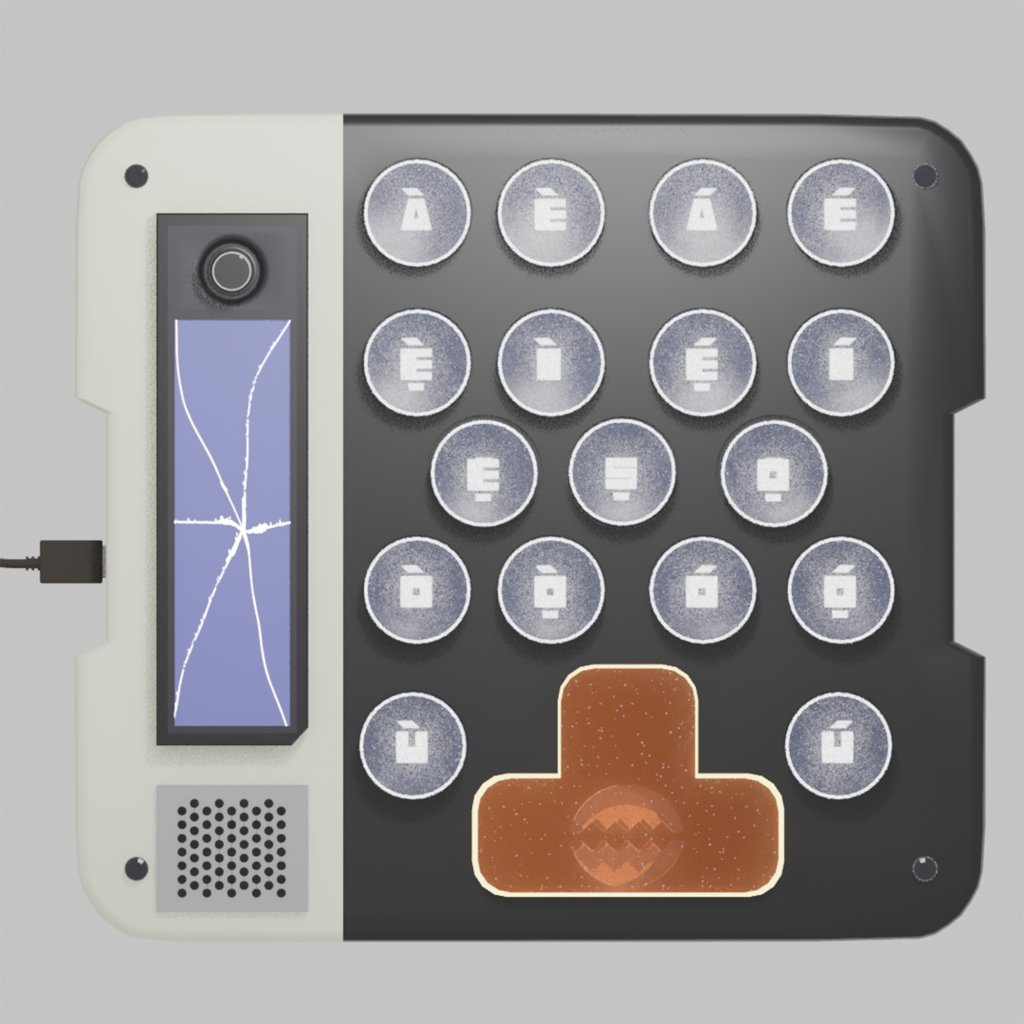
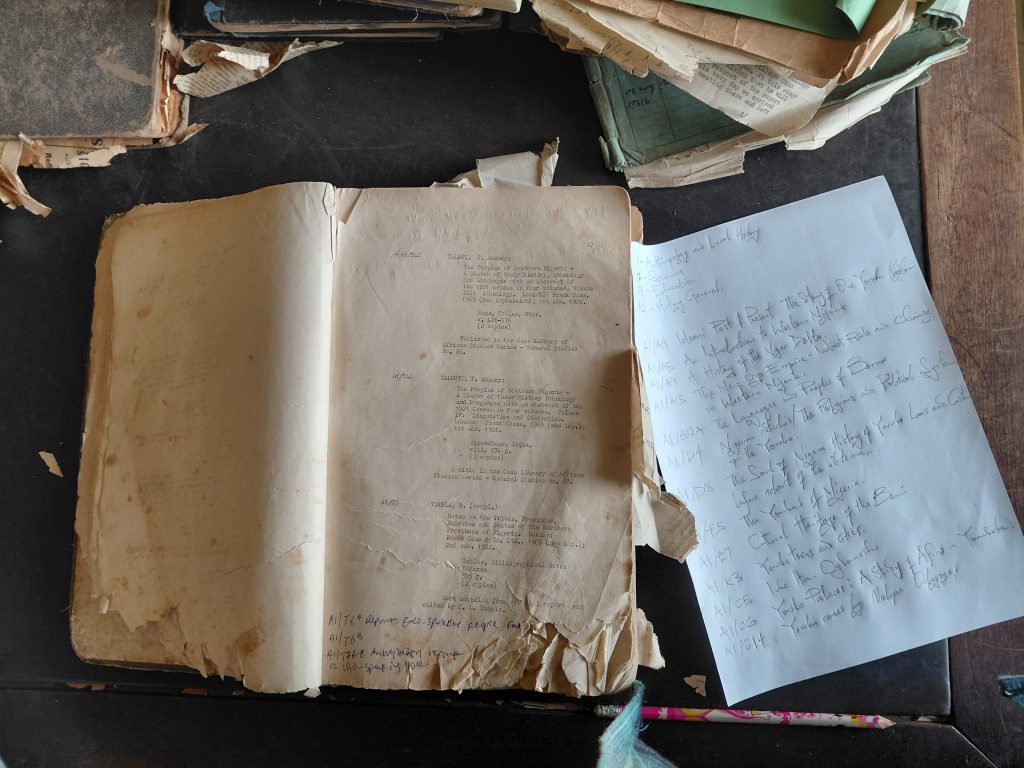
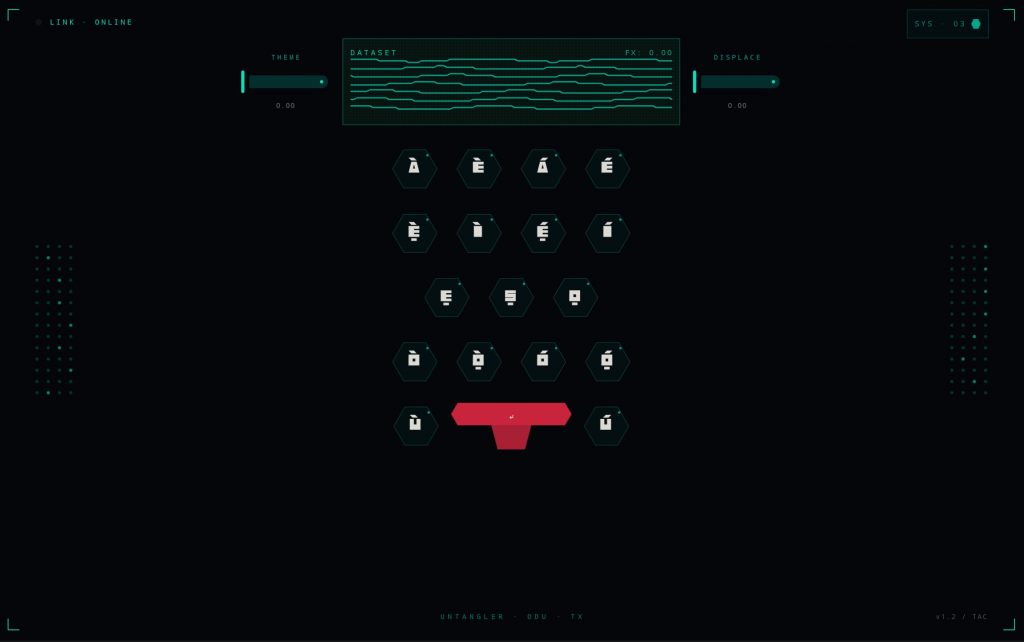
The project comprises four interconnected outcomes. The ODU keyboard is a virtual input system designed to correctly render native Yoruba text, including the tonal diacritics and special characters that are routinely stripped by standard keyboards. Complementing this is a Yoruba Dataset Gathering Tool, which enables the structured collection of language data directly from native speakers. A third outcome, the Museum Companion, uses Tesseract OCR and on-device AI to analyse archival documents, extracting verified facts from historical materials to support cultural preservation.
All the elements come together in an interactive screen-based installation that invites visitors to pose questions about African cultures, histories, and identities.
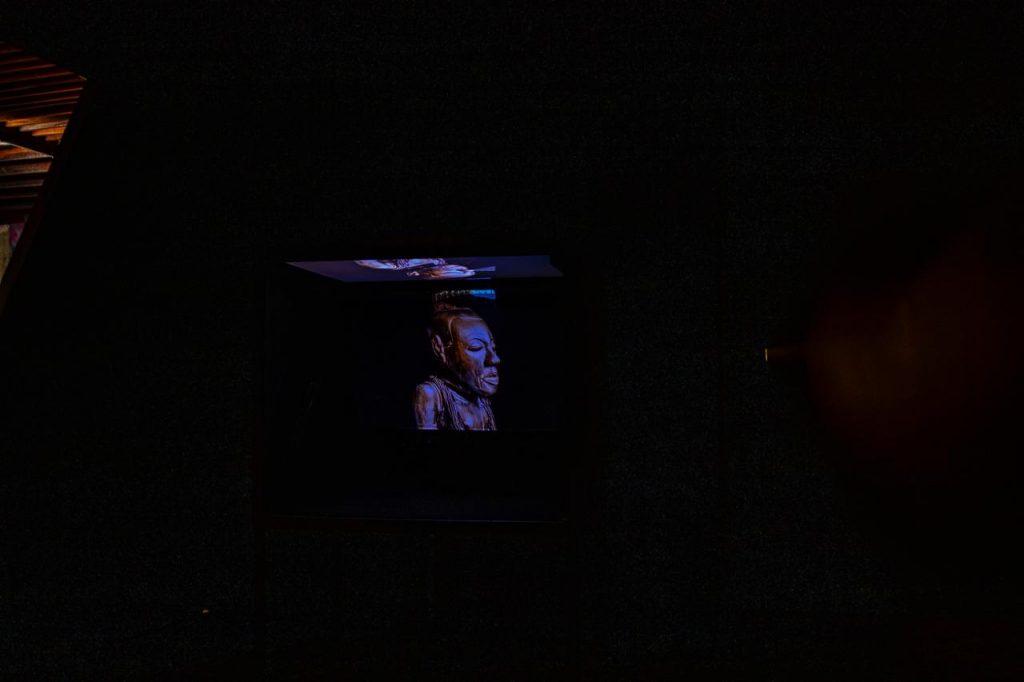
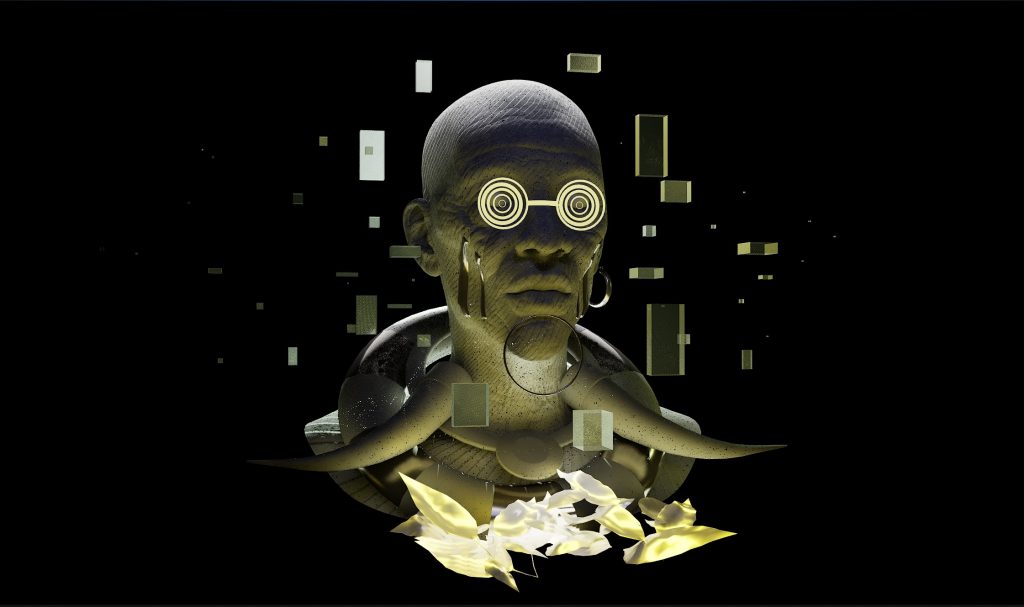
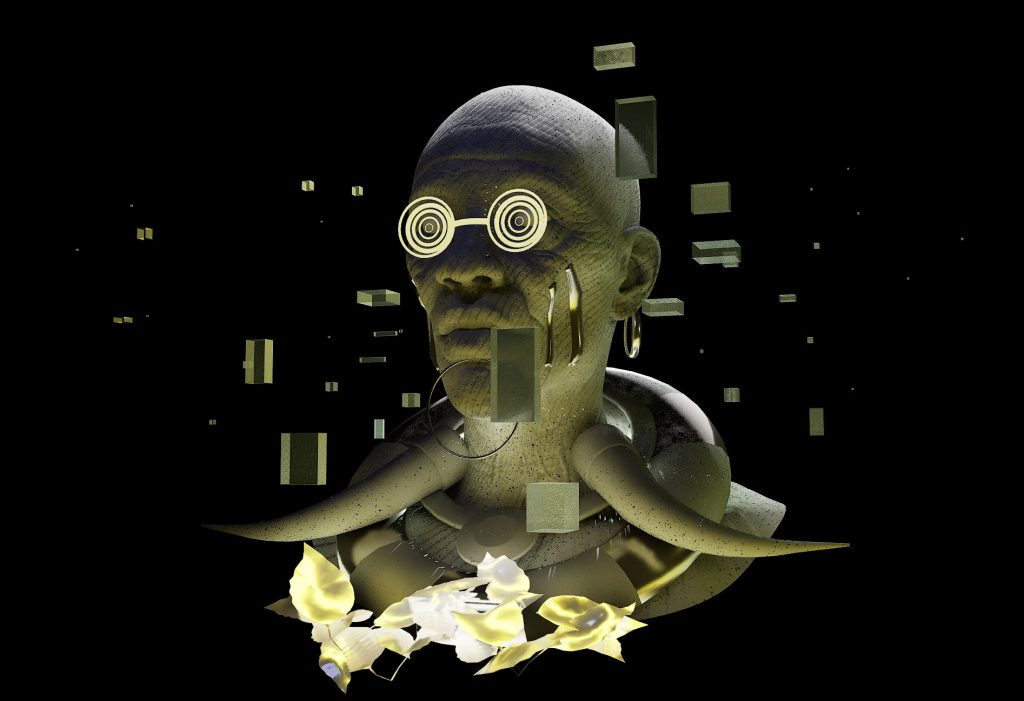
At the centre of this installation is the Griot, a real-time 3D character which acts as a digital storyteller and guide. In response to visitor prompts using the virtual ODU keyboard, one screen displays AI-generated imagery that reflects common biases, stereotypes, or inaccuracies found in contemporary datasets, while the second presents a corrected or contextualised representation informed by culturally grounded knowledge. Drawing on an audio dataset recorded by a native Yoruba-speaking voice artist, the Griot uses real-time voice animation to engage audiences and provide historical, cultural, and linguistic context for the images, helping visitors understand how bias is produced and how it can be challenged. Together, these outcomes form a cohesive argument: that African languages, voices, and knowledge systems deserve infrastructure built on their own terms.
The artist
Peace Olatunji
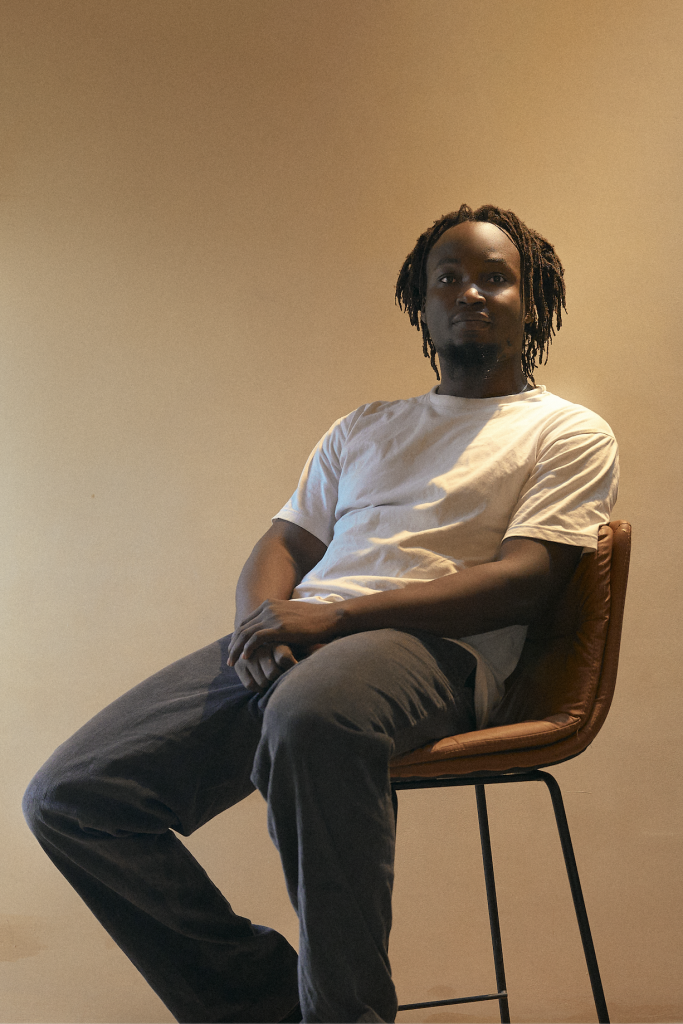
Peace Olatunji is a Nigerian artist, creative technologist, and cultural thinker exploring the intersections of storytelling, immersive media, and African futures. His multidisciplinary work draws from animation, XR, and artificial intelligence to interrogate digital colonialism, restore erased narratives, and amplify African visual languages in contemporary media.
Through a practice rooted in collaboration, critical research, and speculative design, Peace develops tools and experiences that challenge biased technologies while envisioning more just, inclusive digital futures. His work often engages with themes of memory, symbolism, architecture, and indigenous knowledge systems—reclaiming space for African perspectives in the evolving technological landscape.
Peace is also the founder of Dopay Interactive, a platform dedicated to boundary-pushing storytelling and visual innovation, and is actively involved in fostering transcontinental collaborations that center African voices in global creative dialogues.
Want to dive deeper?
Listen to the associated S+T+ARTS Afropean Intelligence Voices Podcast Episode, inviting artists Natalie Paneng and Mehdi Ouahmane [“Playing Reality: Reinventing Worlds Through Digital Playgrounds”].
& Check-out the other selected projects for the Afropean Intelligence Residency Program:
+ Challenge 1bis: “Decoding Egwu: reclaiming indigenous intelligence through AI, dance and Igbo” – Emmanuel Ndefo & Dan Xu
+ Challenge 3: Plural Computation | “The Affogbolo’s Home” – Pierre-Christophe Gam
+ Challenge 4: Psychogeography and the Influence of AI | “Peripheral Mode” – Tamer Elshabrawy
+ Challenge 5: Archives & Memory | “Adorned memory: Reimagining Egyptian Indigenous Archives Through Jewellery” – Khanya Mthethwa
+ Challenge 6: ZaZi: An African Educational AI Model | “LORAS AS AN ARCHIVE – A LIVING ARCHIVE” – Evans Akanyijuka
+ Challenge 7: Beyond Borders: AI, Climate, and Resource Justice in Africa | “Cry To The Water” – Chipo Mapondera
+ Challenge 8: Digital Lukasa: An Intelligent Archival Tablet | “The Memory Performer: digital reincarnation of Luba wisdom” – Mahoutondji Kinmagbo
+ Challenge 9: Provenance and Social Memory | “Territoires Tissés: Art Royal Kuba entre tradition et (R)évolution” – Melisa Kayowa
+ Afropean Intelligence is bringing together 11 cultural organizations across Africa and Europe: