The House We Dreamed by Pierre-Christophe Gam
A S+T+ARTS Afropean Intelligence Residency.
Challenge “Plural Computation”
Host institution
Gallery of Code, Abuja (NG)
European partner
GLUON, Brussels (BE)

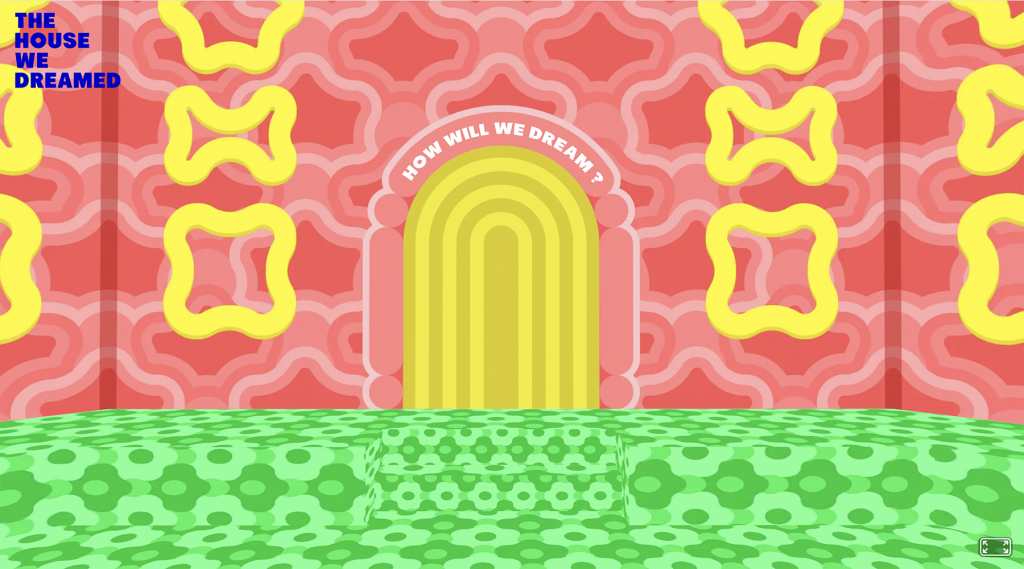
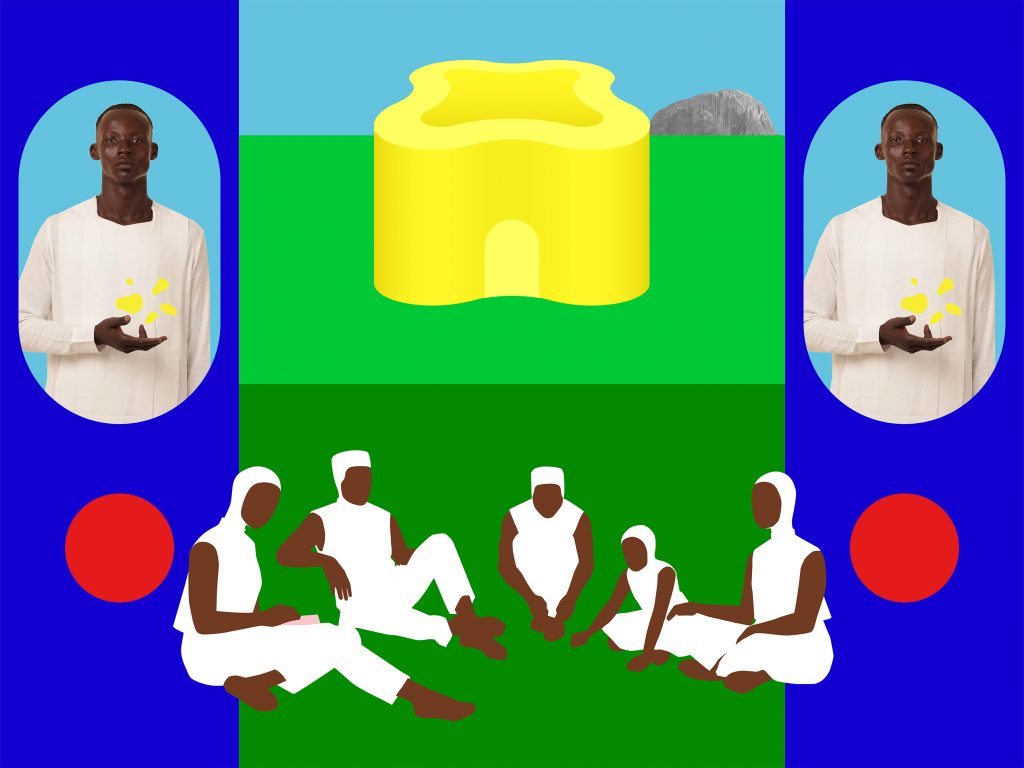
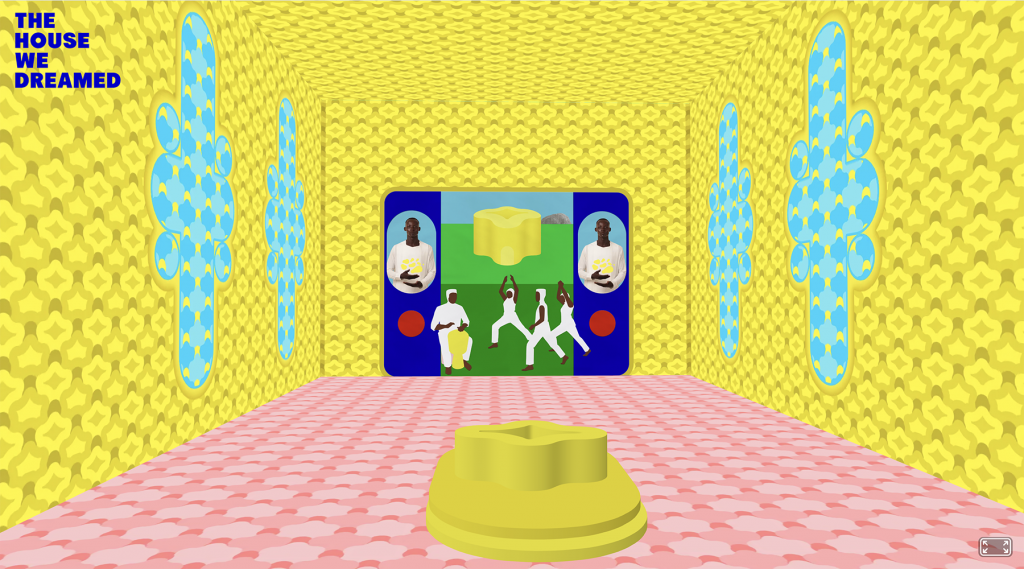
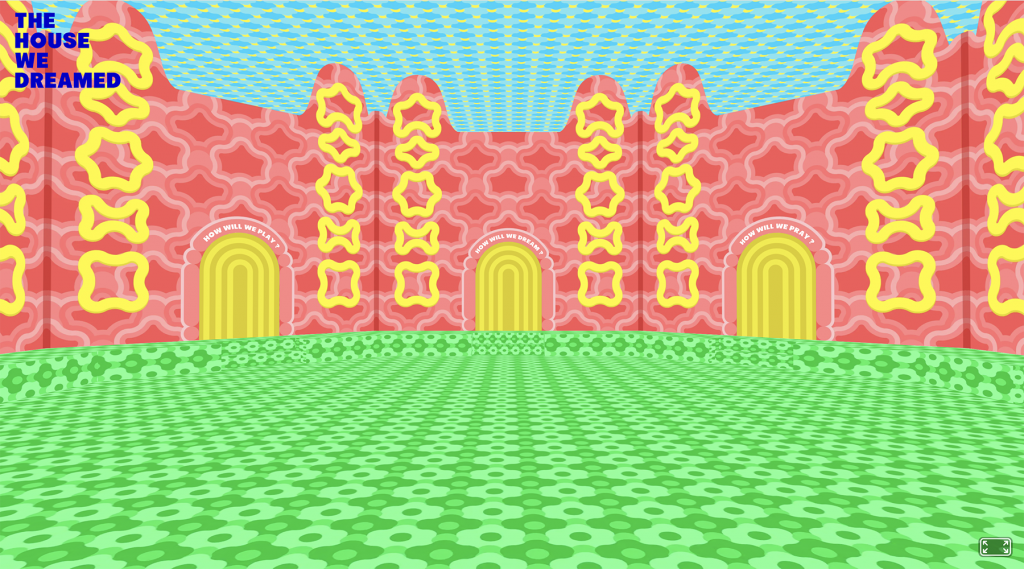
The House We Dreamed is a speculative WebVR installation and physical exhibition composed from dreams gathered across African communities. The project offers a profound vision of tomorrow through the lens of a family living in Abuja in 2063.
The digital experience begins in a virtual garden featuring five distinct doors. Each door opens onto a unique environment responding to one of five foundational questions asked of the future: how will we Eat, Play, Dream, Pray, and Love? Inside these five spaces, the architecture is structured around a central panoramic city window. These windows feature multilayered collage-tapestry animations that reveal vibrant scenes of everyday life within this dreamed future.
Accompanying these rich visuals are performed audio works, short audio dramas recorded by professional actors. Through these immersive soundscapes, the members of the Abuja 2063 family emerge, extending the narrative and spatial experience far beyond the visual frame.
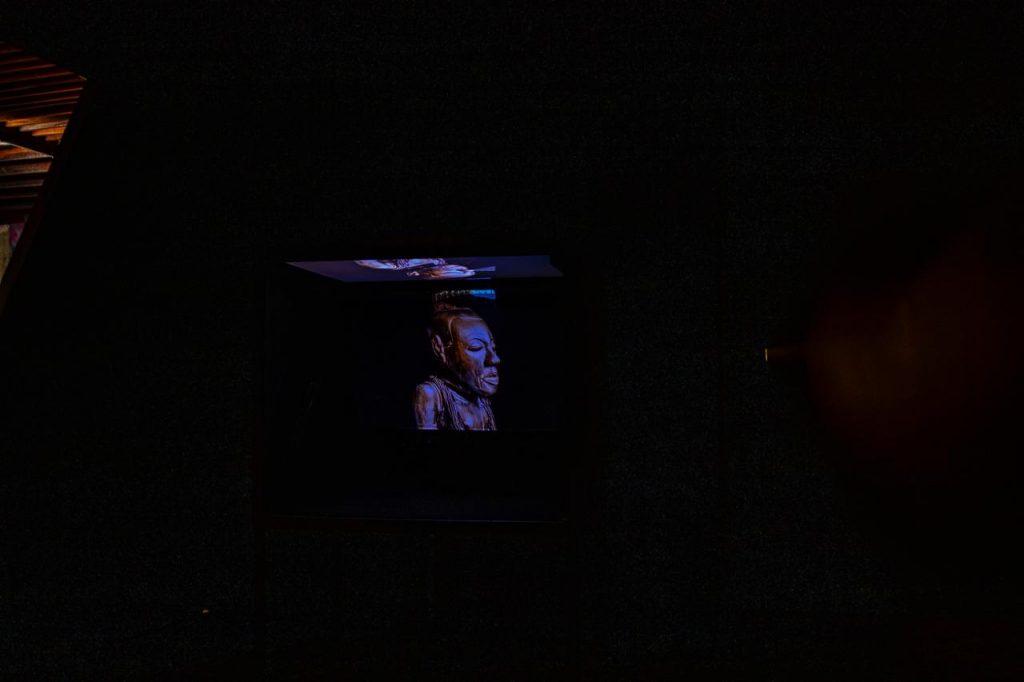
Complementing the WebVR environment, the project also exists as a tangible physical installation. The virtual panoramas are translated into large-scale, physical tapestry works. These textiles are AR-activated, serving as interactive interfaces that bridge the material world with the digital narrative, offering audiences a multi-sensory journey into a radically reimagined African future.
The artists
Pierre-Christophe Gam
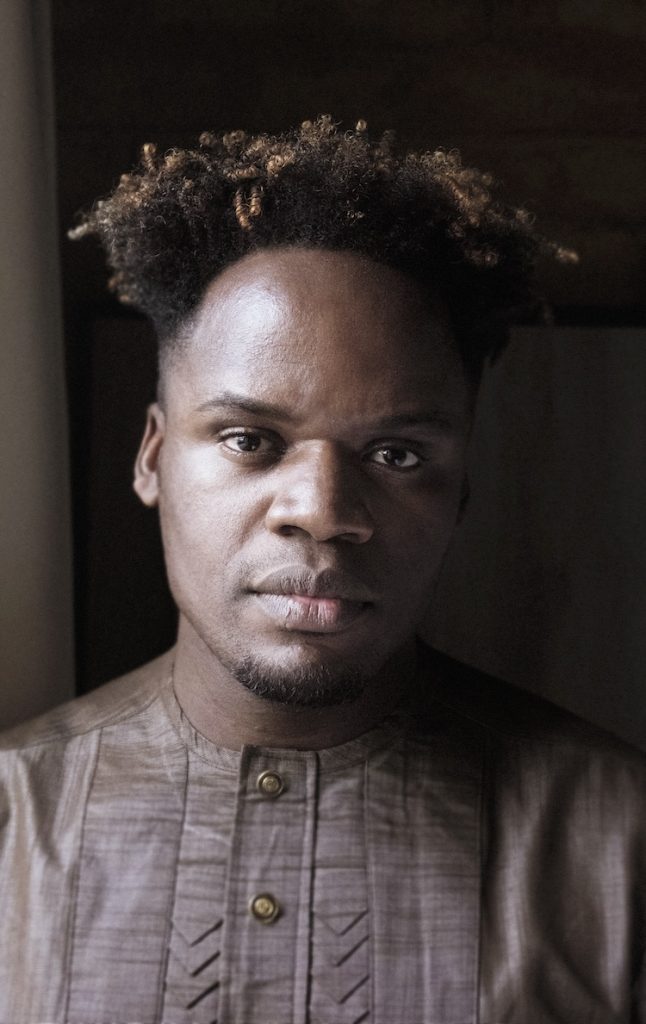
Pierre-Christophe Gam is a conceptual artist, researcher, and immersive storyteller whose work redefines the future by interweaving mythology, technology, and foresight. Trained in architecture at École Nationale Supérieure des Arts Décoratifs in Paris and Central Saint Martins in London, his practice bridges spatial design, immersive media, and speculative world-building. Drawing from his heritage spanning Cameroon, Chad, Egypt, and Congo, as well as the West African Griot tradition, he transforms communal memory into interactive, participatory experiences, expanding how we engage with the past to shape alternative futures.
As the founder of TOGUNA WORLD, a pioneering digital lab and creative think tank, Pierre-Christophe explores how art, technology, and foresight methodologies can be harnessed to redefine global futures, creating new possibilities for communities across geographies to imagine and actively shape alternative futures.
His research and artistic practice are grounded in decolonial world-building, immersive storytelling, and participatory design, expanding speculative thought beyond regional narratives to consider planetary futures, technological ethics, and cross-cultural storytelling. He is at the forefront of shaping discourse on future-building, cultural sovereignty, and alternative knowledge systems, ensuring that the act of imagining futures becomes an inclusive, collective endeavor.
A recipient of the prestigious Unity for Humanity award, and a research fellow at the MIT Open Documentary Lab, his work has been showcased at leading international platforms including Ars Electronica, the Guggenheim Museum Bilbao, the Vitra Design Museum, Addis Foto Fest, the Dubai Future Forum, and the Unseen Photo Festival in Amsterdam
+ Website
+ Instagram
Want to dive deeper?
Listen to the associated S+T+ARTS Afropean Intelligence Voices Podcast Episode
[“Should We Still Talk About Afrofuturism?”].
+ on Afripods
+ on YouTube
& Check-out the other selected projects for the Afropean Intelligence Residency Program:
+ Challenge 1: Intercultural AI: Weaving Worlds through Art and Algorithms | “Untangler: Worlds Reimagined” – Peace Olatunji
+ Challenge 1bis: “Decoding Egwu: reclaiming indigenous intelligence through AI, dance and Igbo” – Emmanuel Ndefo & Dan Xu
+ Challenge 4: Psychogeography and the Influence of AI | “Bursting the last bubble” – Tamer Elshabrawy
+ Challenge 5: Archives & Memory | “Adorned memory: Reimagining Egyptian Indigenous Archives Through Jewellery” – Khanya Mthethwa
+ Challenge 6: ZaZi: An African Educational AI Model | “LORAS AS AN ARCHIVE – A LIVING ARCHIVE” – Evans Akanyijuka
+ Challenge 7: Beyond Borders: AI, Climate, and Resource Justice in Africa | “Cry To The Water” – Chipo Mapondera
+ Challenge 8: Digital Lukasa: An Intelligent Archival Tablet | “The Memory Performer: digital reincarnation of Luba wisdom” – Mahoutondji Kinmagbo
+ Challenge 9: Provenance and Social Memory | “TERRITOIRE TISSé: Art Royal Kuba entre tradition et (R)évolution” – Melisa Kayowa
+ Afropean Intelligence is bringing together 11 cultural organizations across Africa and Europe: