LORAs as an Archive, A Living Archive by Evans Akanyijuka
A S+T+ARTS Afropean Intelligence Residency.
Challenge “ZaZi: An African Educational AI Model”
Host institution
The Market Photo Workshop, Johannesburg (ZA)
European partner
CHRONIQUES, Marseille (FR)

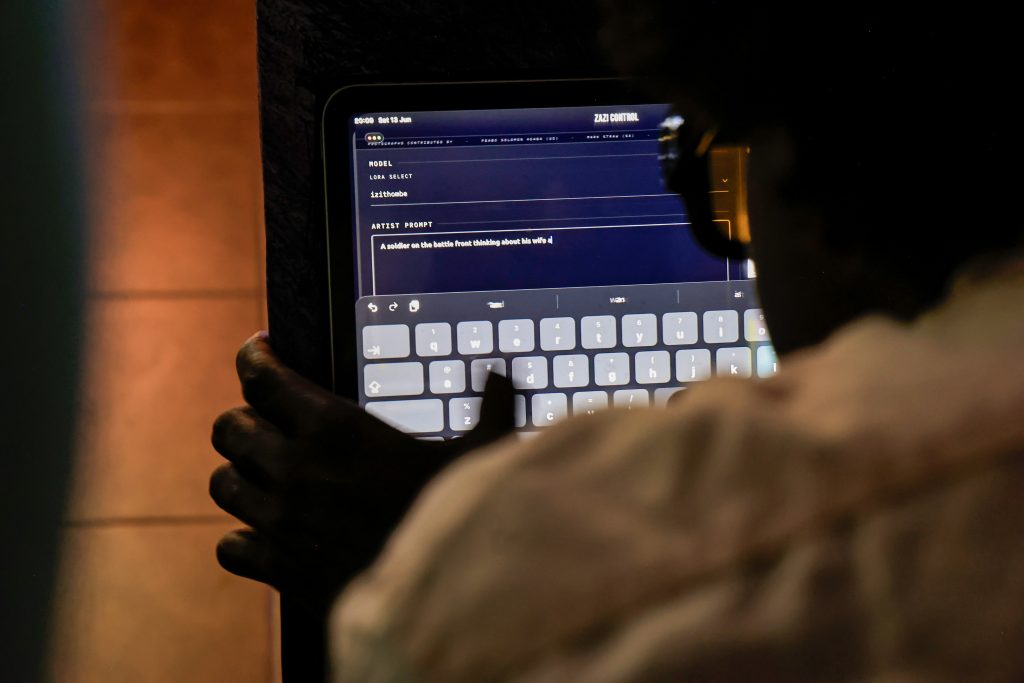
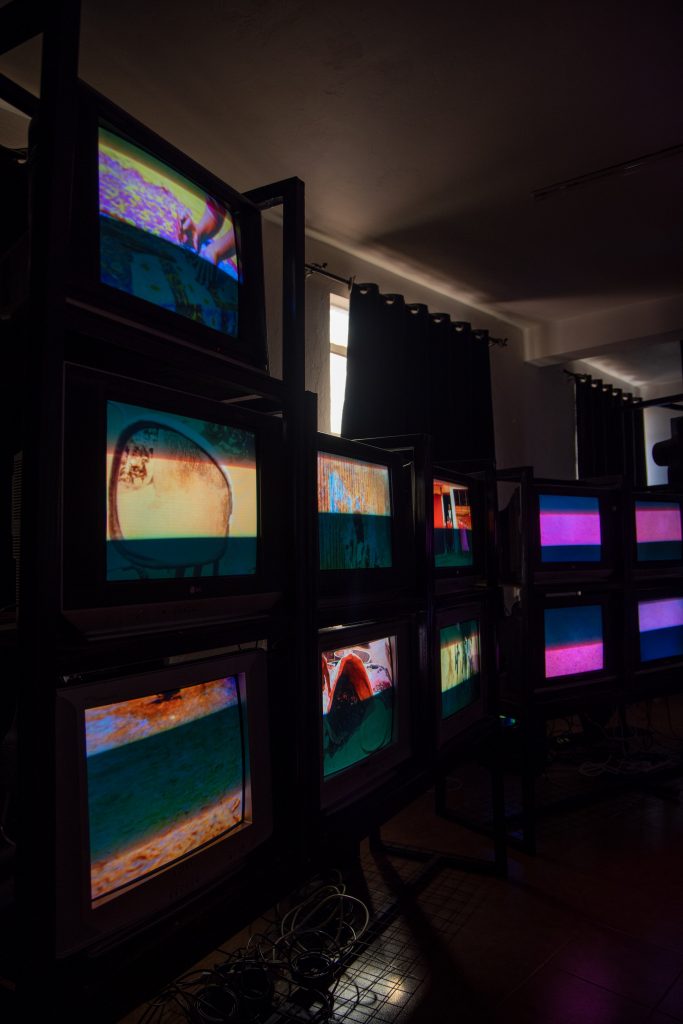
LoRA as an Archive is the answer to the question posed by ZaZi the 6th Start Challenge, which tasked the respondent to create an Ai model that demonstrated generative Ai models worked, a transparent or inside out Ai model that educated by virtue of interaction while also showing how they used data. Targeting all ages groups (toddlers to elders) the model is meant to show in real time what the absence of truly diverse data (as is found in most Ai chatbot models used across the globe) can result in what is sometimes biased, harmful and even incorrect outputs.
Evans used the technology of LoRA to create a hack that used pre-existing larger Ai models to build the tailored/data specific model that he’s titled a Living Archive as it brings to life DATA not otherwise accessed by the typical models, or included in western bias datasets.
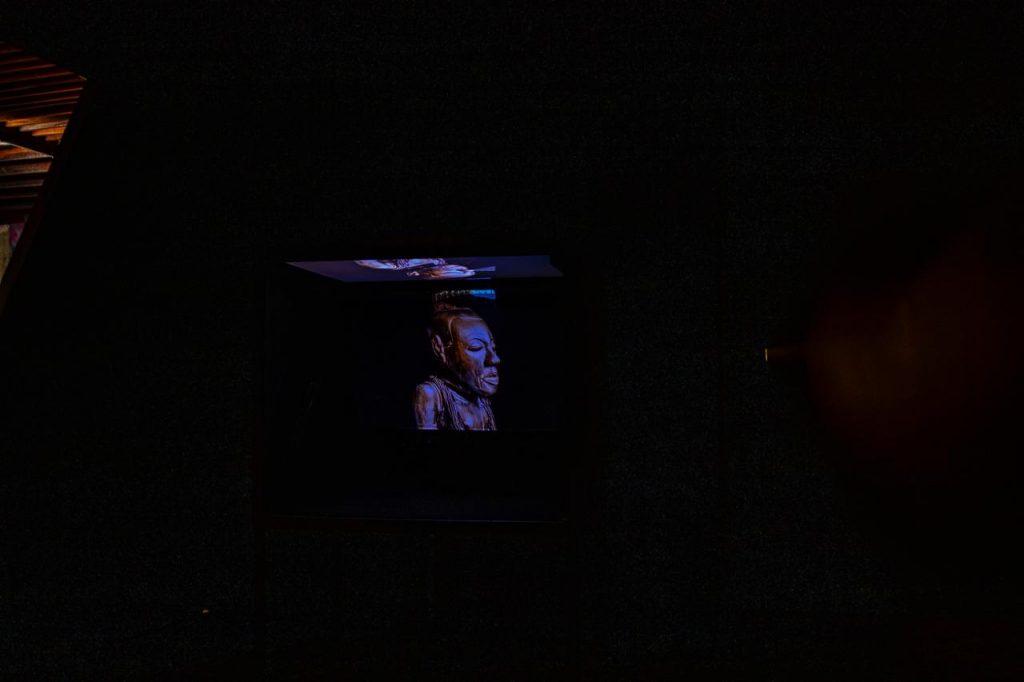
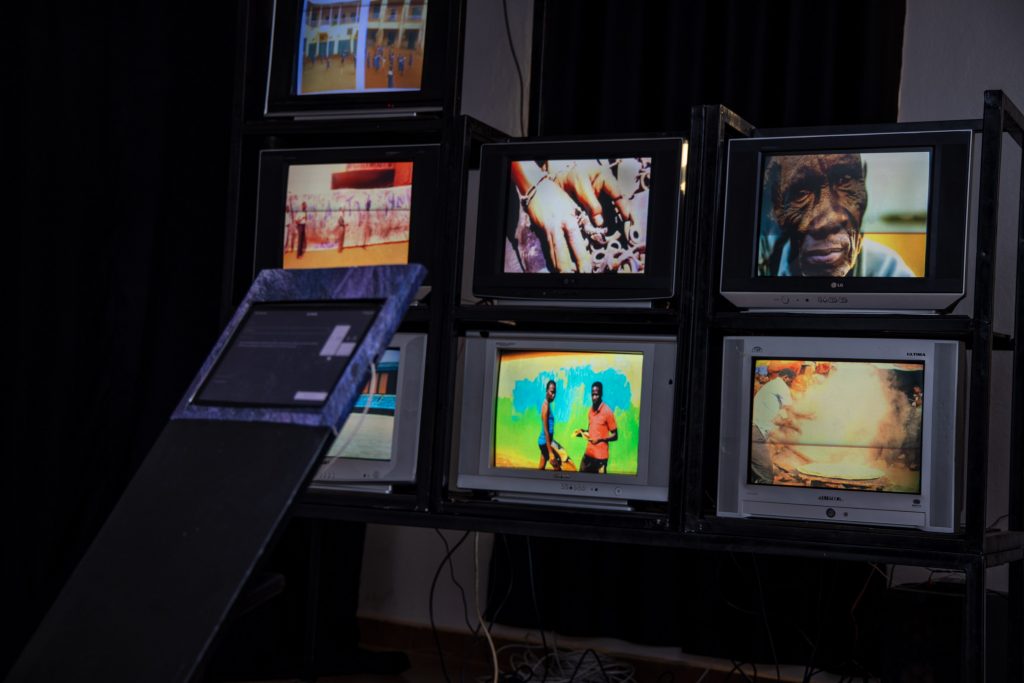
LORA as an Archive, A Living Archive was then presented as an audio-visual interactive installation designed to reactivate memory and explore new possibilities within historical media. The project successfully transforms static visual archives into a dynamic, immersive environment through the application of artificial intelligence.
The foundational dataset for the work was established through a series of collaborative co-curation sessions. Source material was drawn from the photographic archives of four participating artists, three based in South Africa and one in Uganda. These collaborative sessions determined the final selection of images used to train the system.
The technical workflow relied on training customized LoRA (Low-Rank Adaptation) models using the curated archival photographs. Once trained, these models functioned as generative repositories, embodying the memory of the original archives. To facilitate audience interaction, a custom web application was deployed. This interface allowed users to engage directly with the models, generating real-time visual outputs that continuously reshaped and expanded the archive.
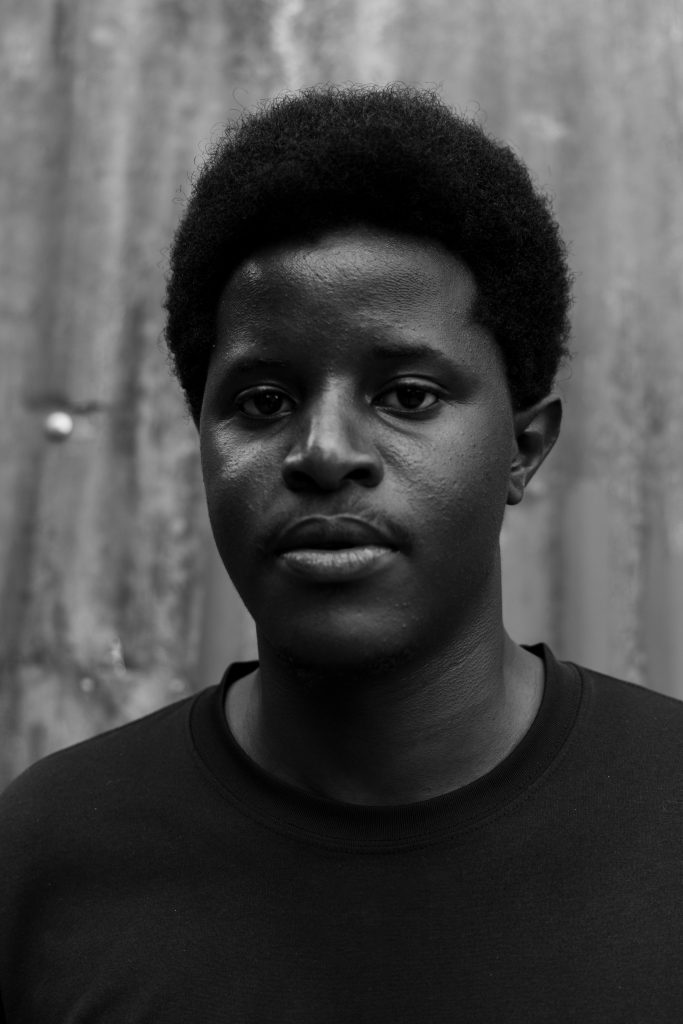
The artist
Evans Akanyijuka
Evans Akanyijuka is a digital artist currently based in Kampala, Uganda. His practice unfolds at the intersection of different media including collage, photography, and emerging technologies. He uses these forms as both an archive and inquiry into memory, heritage, and identity through bodies of work such as “the battle of kagogo”. Through these explorations Evans hopes that his work uncovers the layered and often fragmented ways in which we understand ourselves and each other.
+ Instagram
Want to dive deeper?
Listen to the associated S+T+ARTS Afropean Intelligence Voices Podcast Episode
[“Rewriting the Code: Decolonizing Narratives”].
_on Afripods
_on YouTube
& Check-out the other selected projects for the Afropean Intelligence Residency Program:
+ Challenge 1: Intercultural AI: Weaving Worlds through Art and Algorithms | “Untangler: Worlds Reimagined” – Peace Olatunji
+ Challenge 1bis: “Decoding Egwu: reclaiming indigenous intelligence through AI, dance and Igbo” – Emmanuel Ndefo & Dan Xu
+ Challenge 3: Plural Computation | “The Affogbolo’s Home” – Pierre-Christophe Gam
+ Challenge 4: Psychogeography and the Influence of AI | “Bursting the last bubble” – Tamer Elshabrawy
+ Challenge 5: Archives & Memory | “Adorned memory: Reimagining Egyptian Indigenous Archives Through Jewellery” – Khanya Mthethwa
+ Challenge 6: ZaZi: An African Educational AI Model | “LORAS AS AN ARCHIVE – A LIVING ARCHIVE” – Evans Akanyijuka
+ Challenge 7: Beyond Borders: AI, Climate, and Resource Justice in Africa | “Cry To The Water” – Chipo Mapondera
+ Challenge 9: Provenance and Social Memory | “TERRITOIRE TISSé: Art Royal Kuba entre tradition et (R)évolution” – Melisa Kayowa
+ Afropean Intelligence is bringing together 10 cultural organizations across Africa and Europe: