Lorena Salas
Turminta, lo que las tormentas saben

Residency 8. Human & more-than-human: interculturality in the Ecuadorian Andes
Host Institutions: HacTe & CICTA
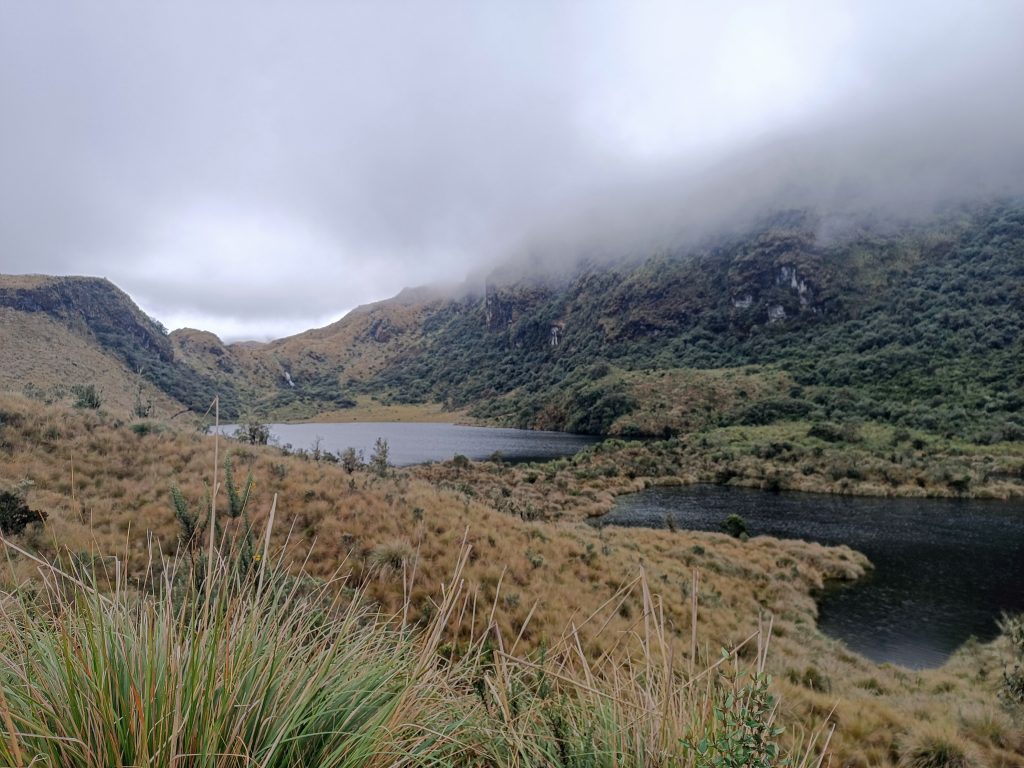
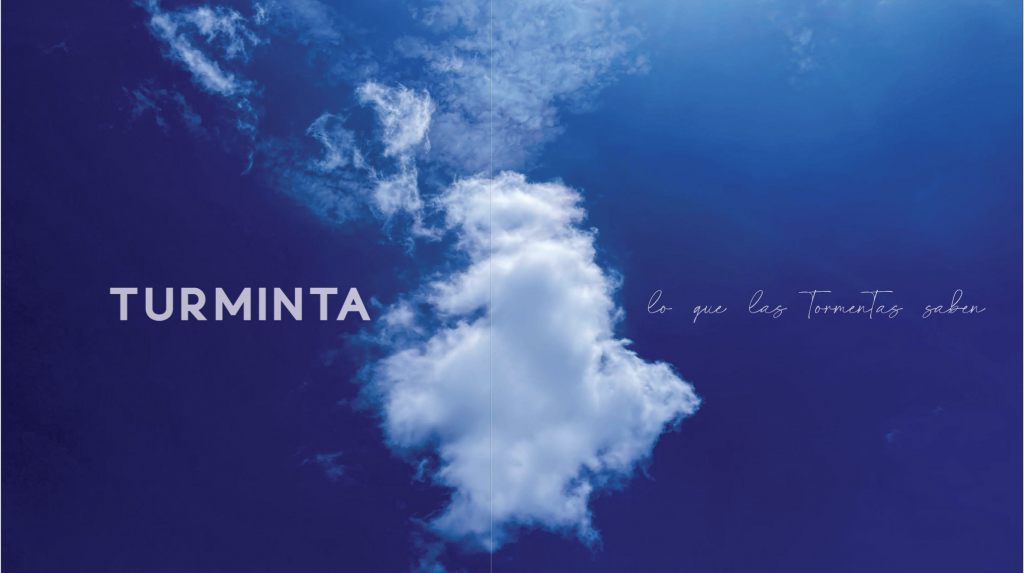
Turminta, lo que las tormentas saben is a transdisciplinary co-creation project developed with Kichwa communities in Ecuador. Through a relational ontology, it explores more-than-human connections with storms and atmospheric phenomena. Using sound art, sensitive technologies, and speculative devices, the project activates vernacular knowledge that understands thunder, water, clouds, and storms as living, communicative beings, connecting Kichwa communities from the Andean paramo to the Amazon rainforest.
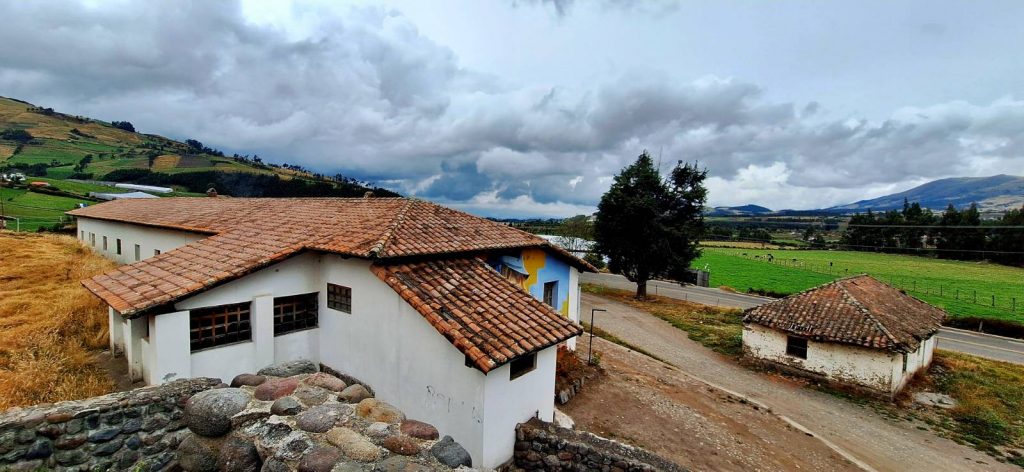
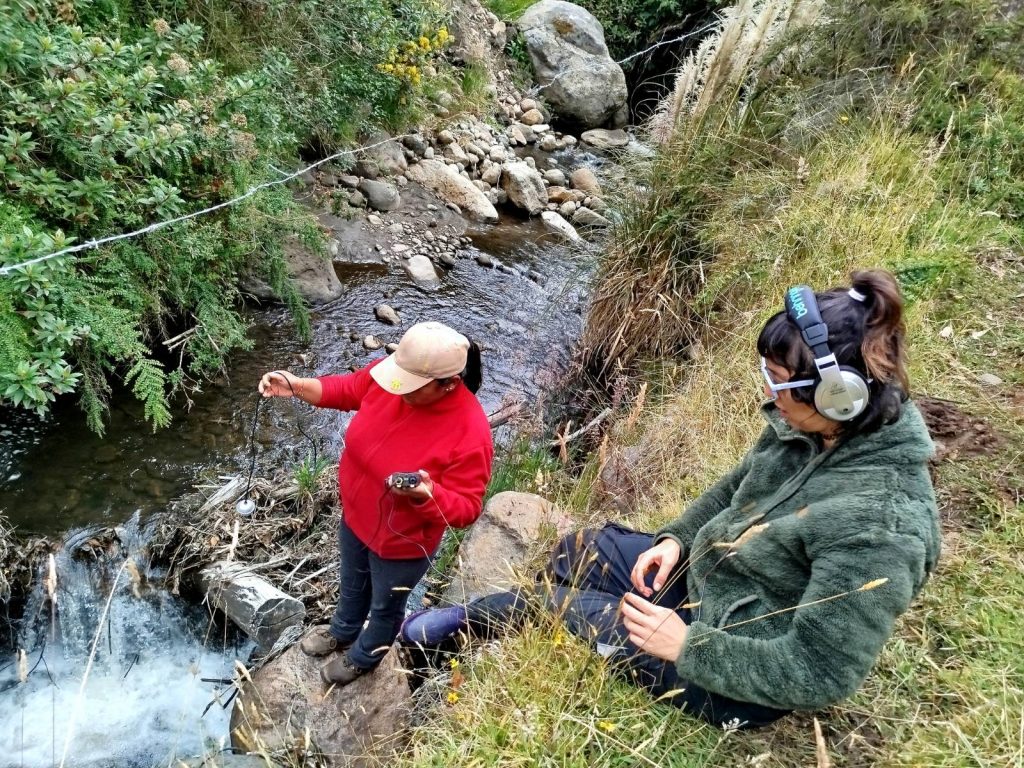
By connecting territories through the shared flow of water, it weaves together cosmologies, languages, and collective memories, fostering an ethic of care against extractivist logics that threaten ecosystems and ancestral ways of life. During a residency at Centro Intercultural Comunitario Tránsito Amaguaña, the artist developed practices of attentive listening and observation with the community of La Chimba. The observation of skies, cloud formations, the movement of the sun, cumulonimbus clouds, and the arrival, or absence, of the agüitas became the epistemological basis of her work. This knowledge is articulated through the principles of Sumak Kawsay and the relationship between Hanan Pacha (the above, the clouds) and Uku Pacha (the below, the earth), sustaining balance between rainforest and paramos.
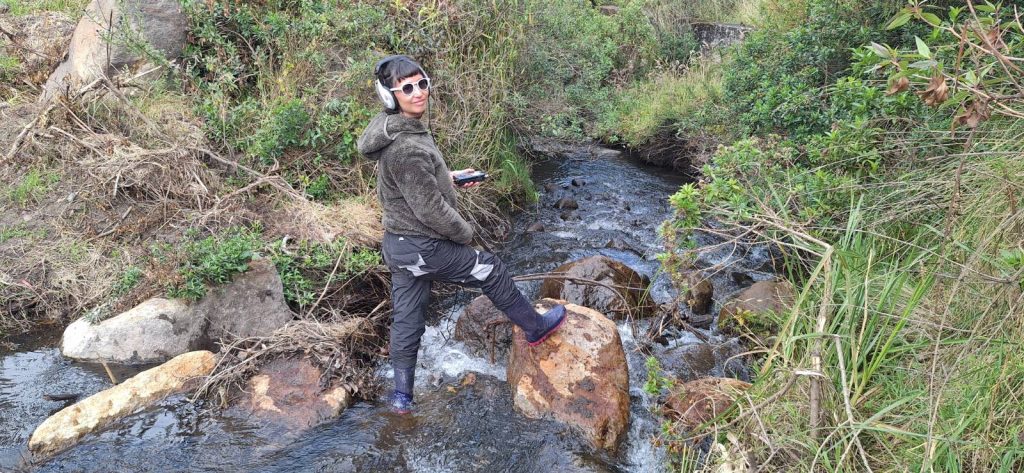
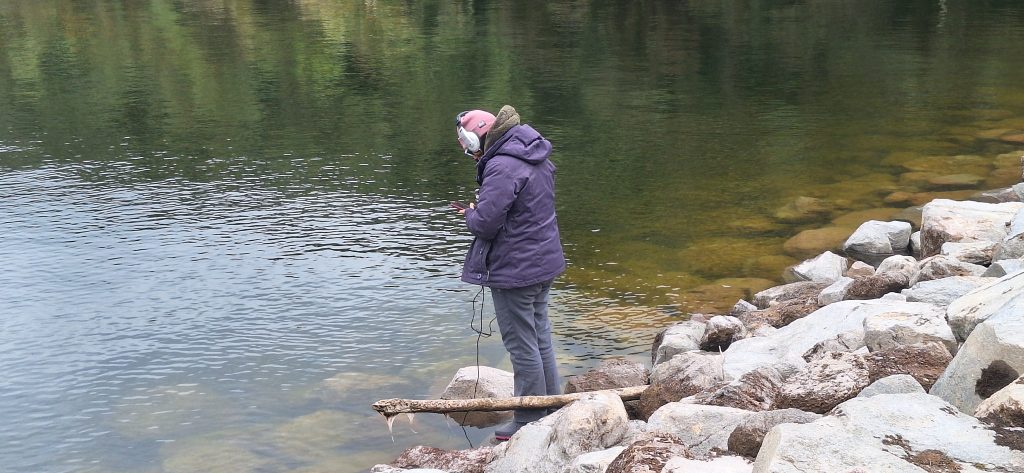
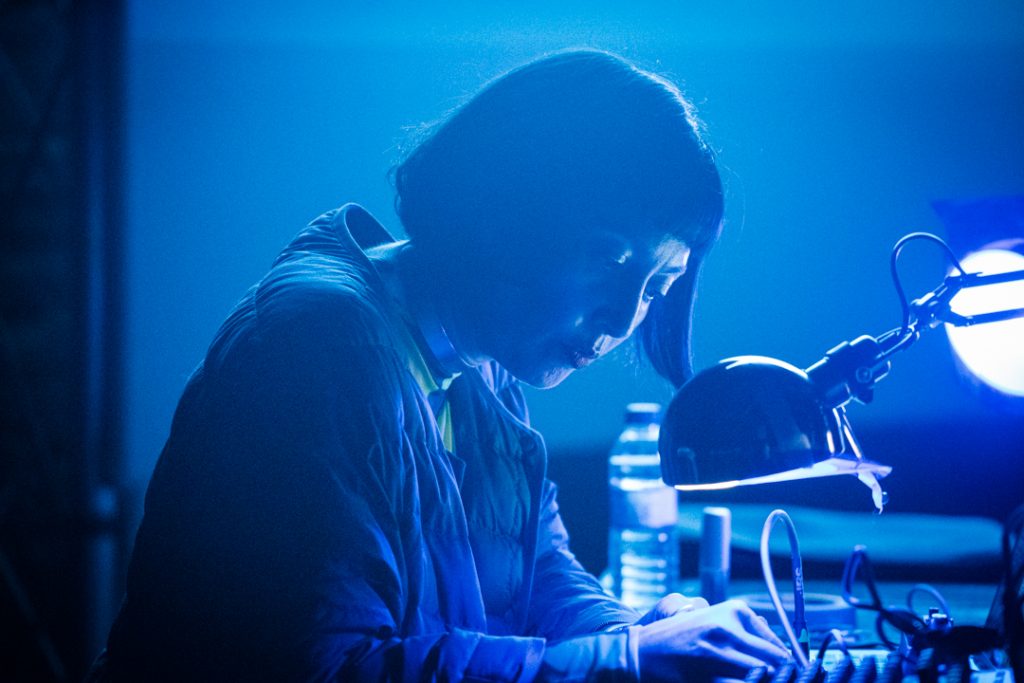
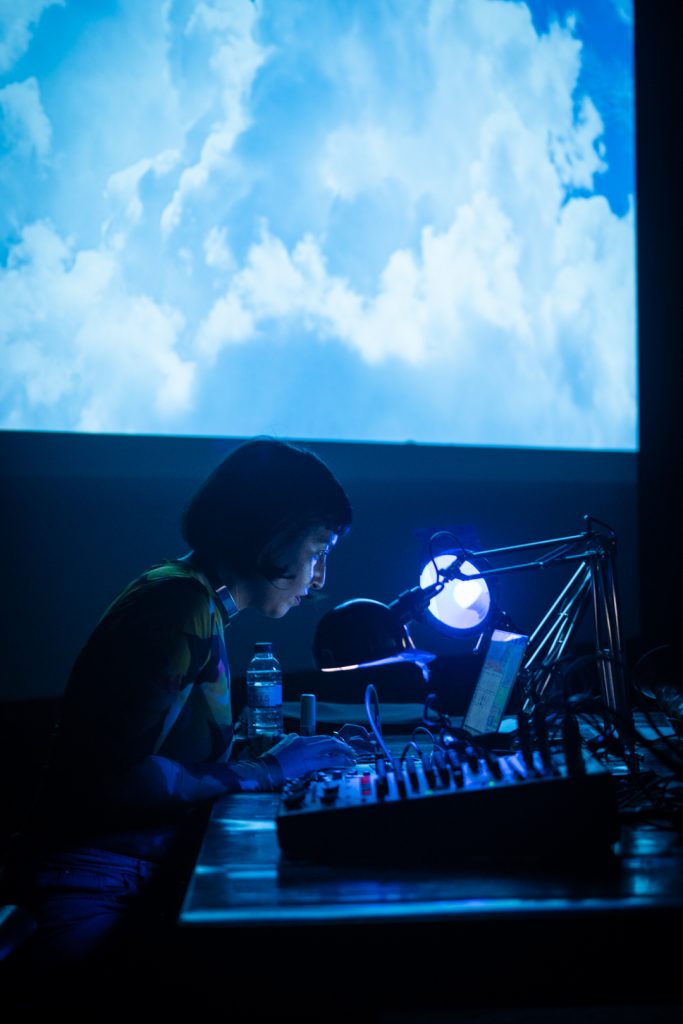
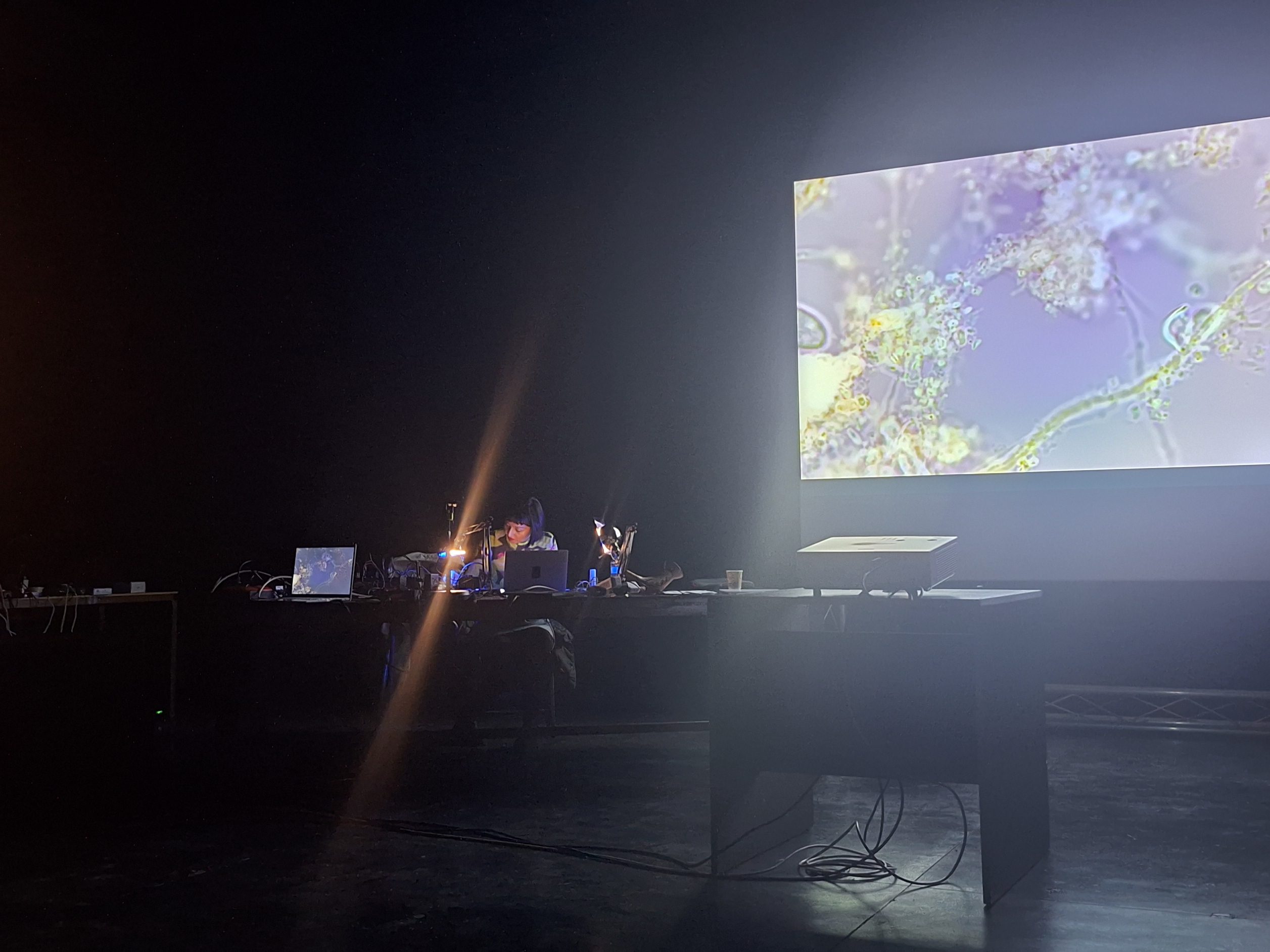
Lorena performs a live sound piece composed from field recordings made with analogue tape and handmade underwater and electromagnetic microphones in La Chimba and the Amazon rainforest. These recordings are combined with real-time sound manipulation, noise, conversations with community elders, sound diaries, and data from a handmade weather station. The piece becomes an immersive journey through the voices and sounds of storms, exploring hydric thought and atmospheric intelligences between human and more-than-human bodies.
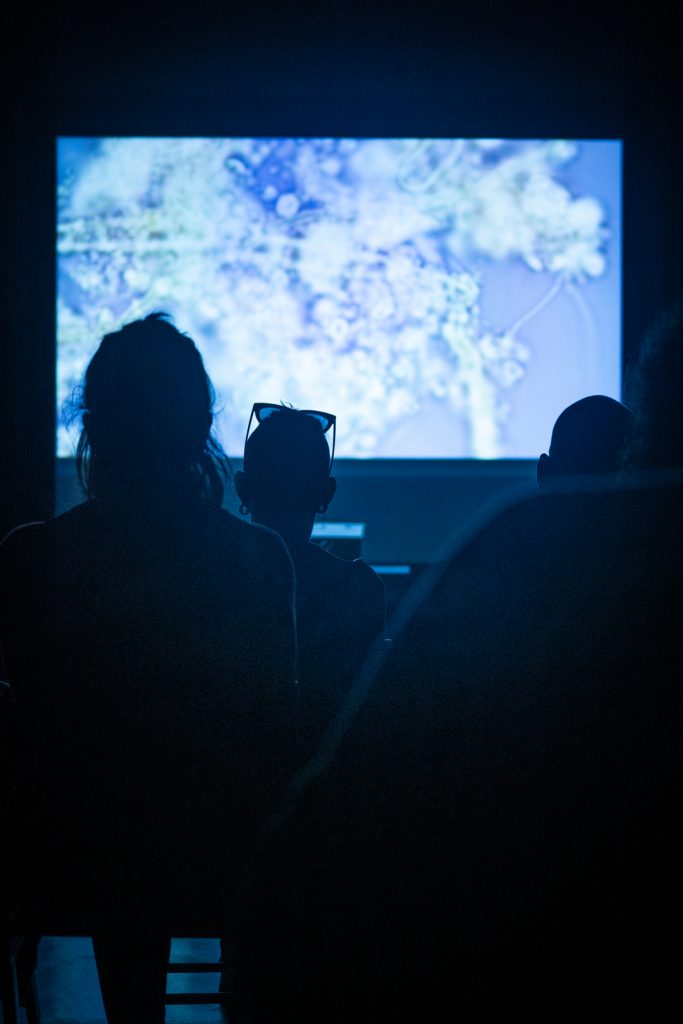
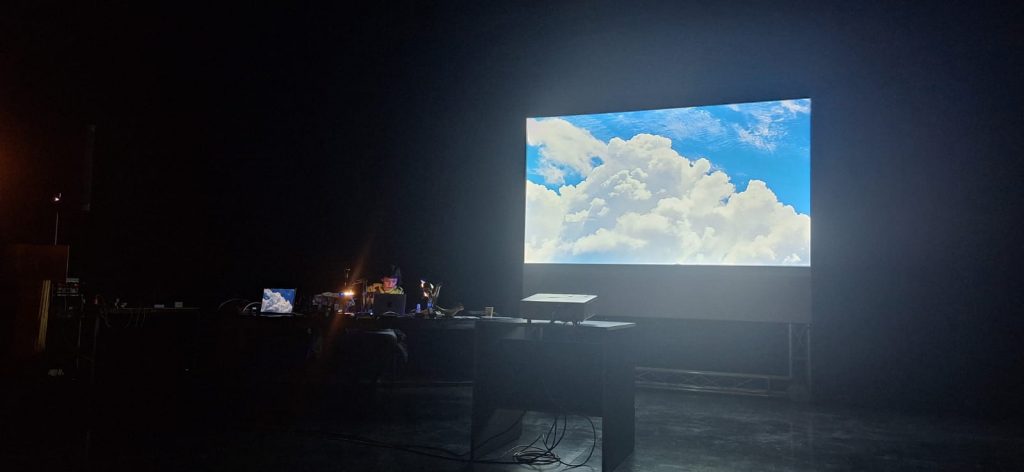
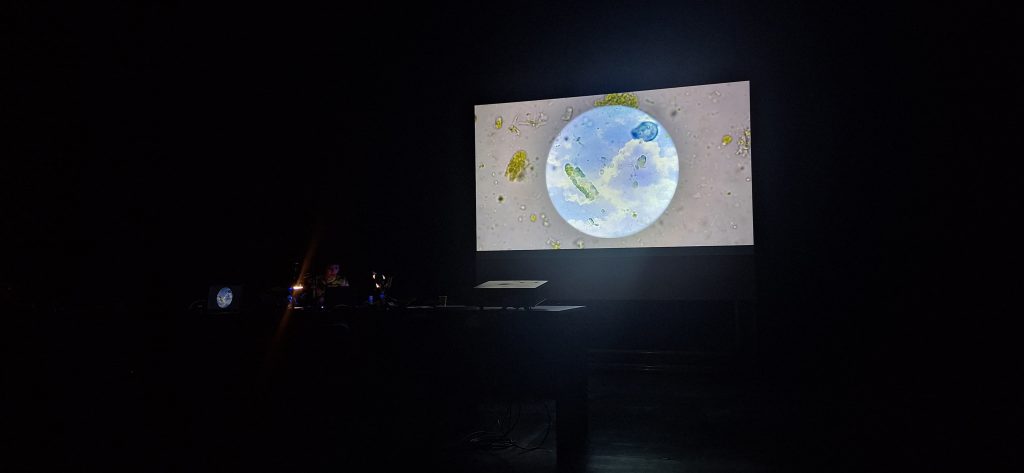
The project also incorporates microscopic studies of rain, snow, hail, mist, and river water to reveal the microorganisms inhabiting these hydric bodies. The resulting microscopic imagery is presented in dialogue with a visual cloud diary developed during the residency, generating a live visual ecosystem that unfolds and is activated in real time during the sound performance.
Lorena Salas is a visual anthropologist, sociologist, filmmaker, and cultural organizer. For over a decade, she has worked closely with Amazonian, rural, and migrant communities, developing self-representation and artistic co-creation processes as strategies of resistance to systemic violence, displacement, and extractivism. Salas has created fiction films, documentaries, animation works, and sound art in territories such as Ecuador, Peru, Mexico, Chile, Bolivia, Brazil, and Colombia. Her creative and research interests explore the relationships between visuality, aurality, sensitive ecologies, and Indigenous cosmologies.
As the director of SACHA MANCHI, a platform for experimental visual and sound arts, and of De Cámaras a Camaradas, a filmmaking community that amplifies migrant narratives through self-representation with the support of UNHCR and UNESCO, Salas strives to make visible silenced ways of life and thought.
Artist: Lorena Salas
With the collaboration of: Jenny Campues and Karen Benalcázar (Centro Intercultural Comunitario Tránsito Amaguaña, CICTA)
Twin: Centro Intercultural Comunitario Tránsito Amaguaña, CICTA (Ecuador)
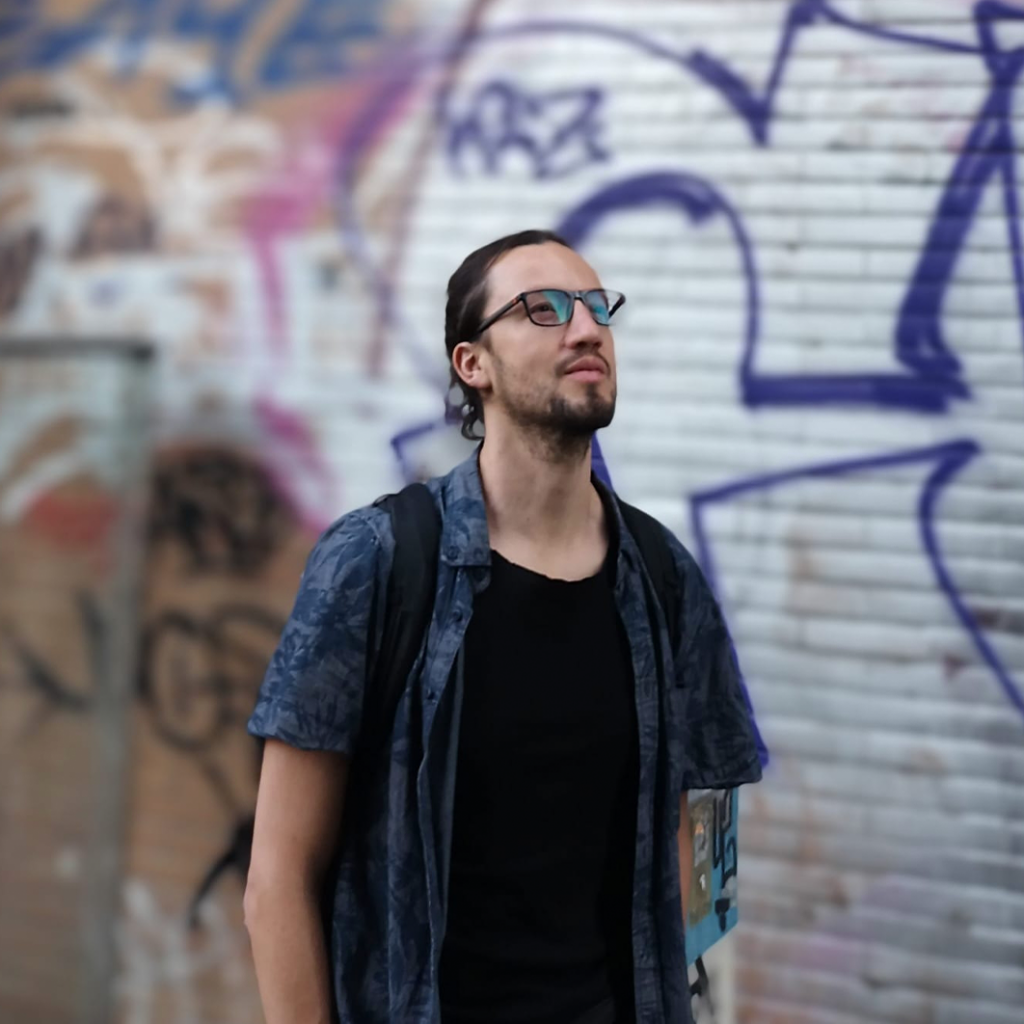
Trans-local expert: Pedro Soler
Liaison mediator: tere badia
Partner: HacTe – Barcelona Hub of Art, Science and Technology (Spain)
The project was developed during a residency at CICTA (Ecuador), in partnership with HacTe (Spain) and funded by the European Union as part of the S+T+ARTS initiative (LC- 03568052).