Gabriela Bìlá
Project description
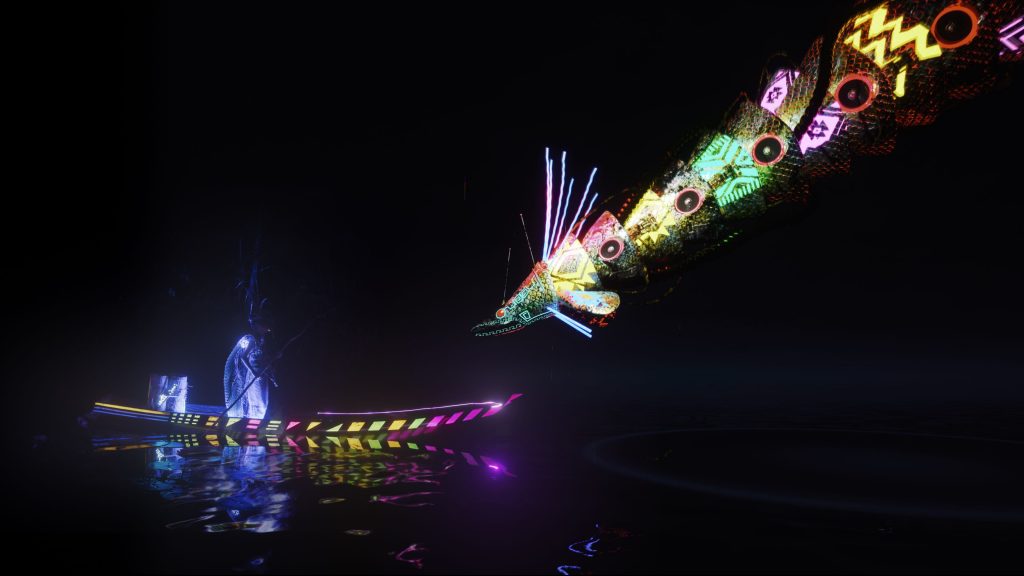
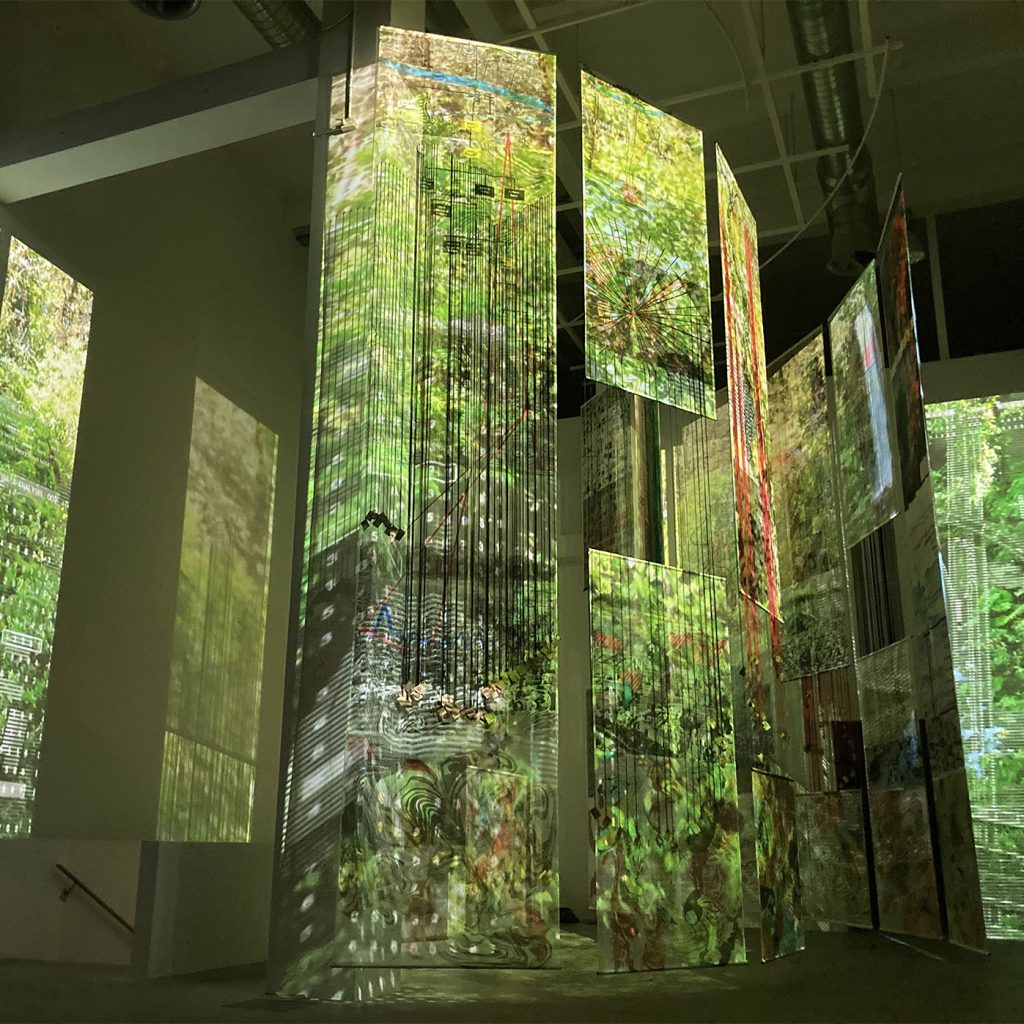
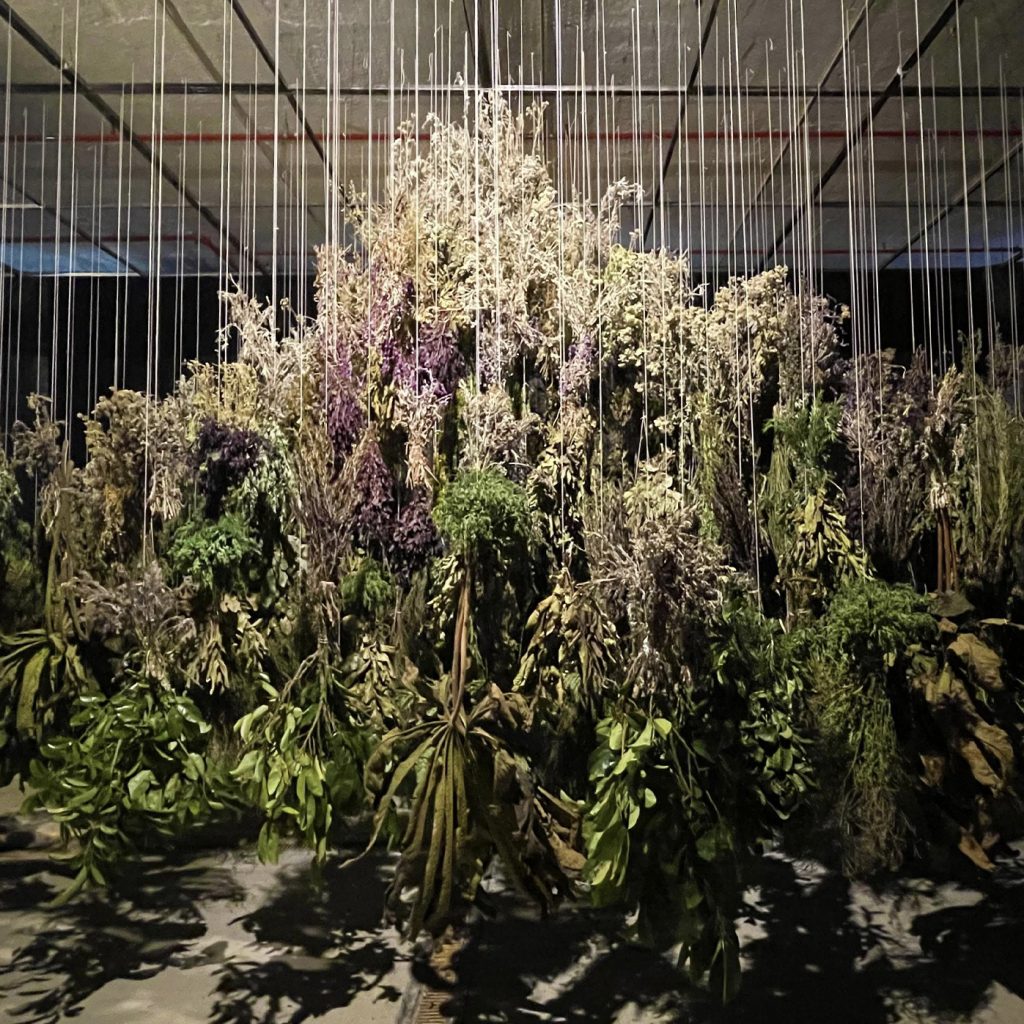
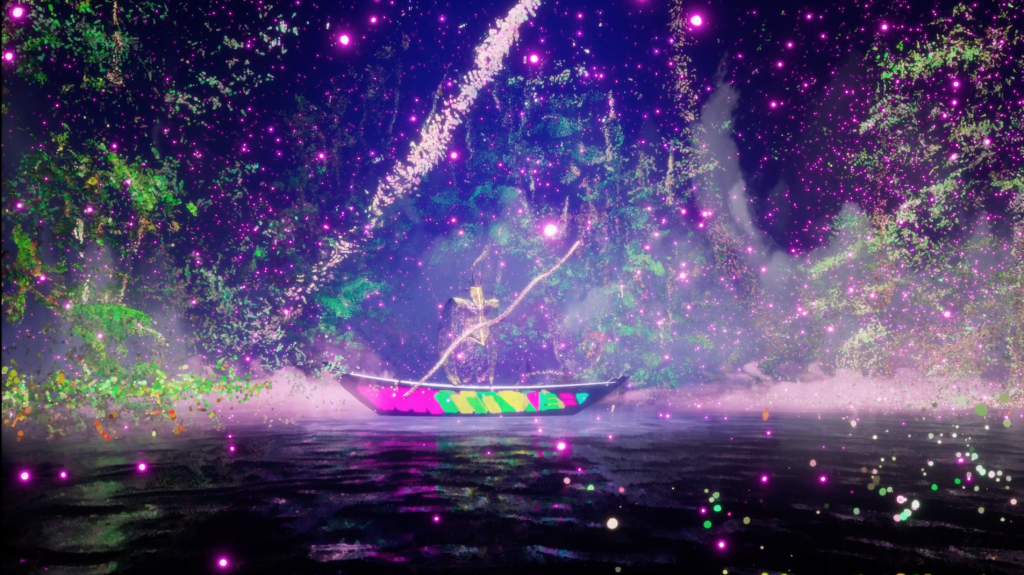
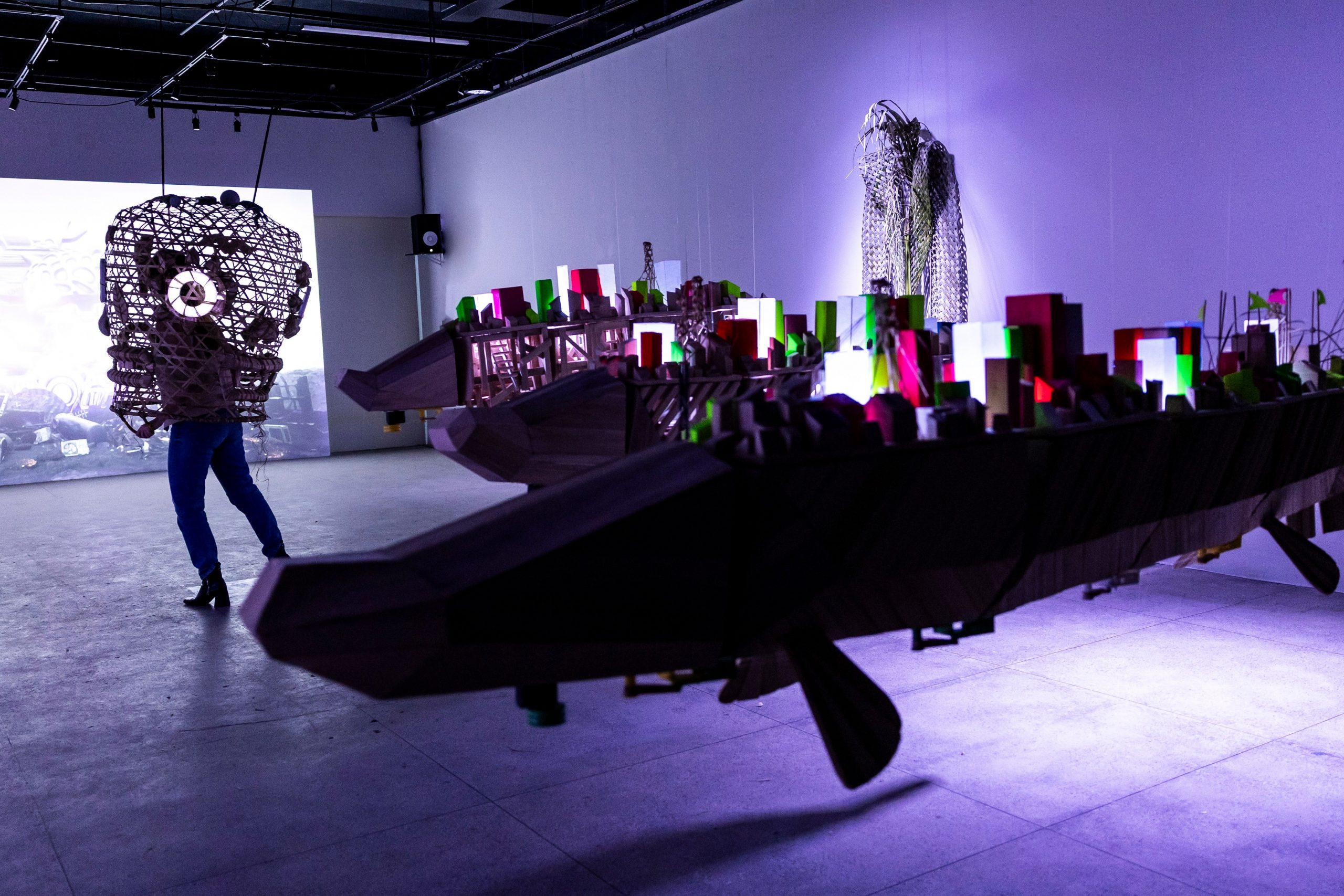
Imaginary Atlas, Amazônia is an art based urban research project and immersive installation that explores how Amazonian cities may evolve over the next century. Centered in the city of Belém do Pará and its surrounding riverine and island communities, the project asks a central question: Will expanding cities swallow the forest, or can the forest reclaim and reshape urban life?
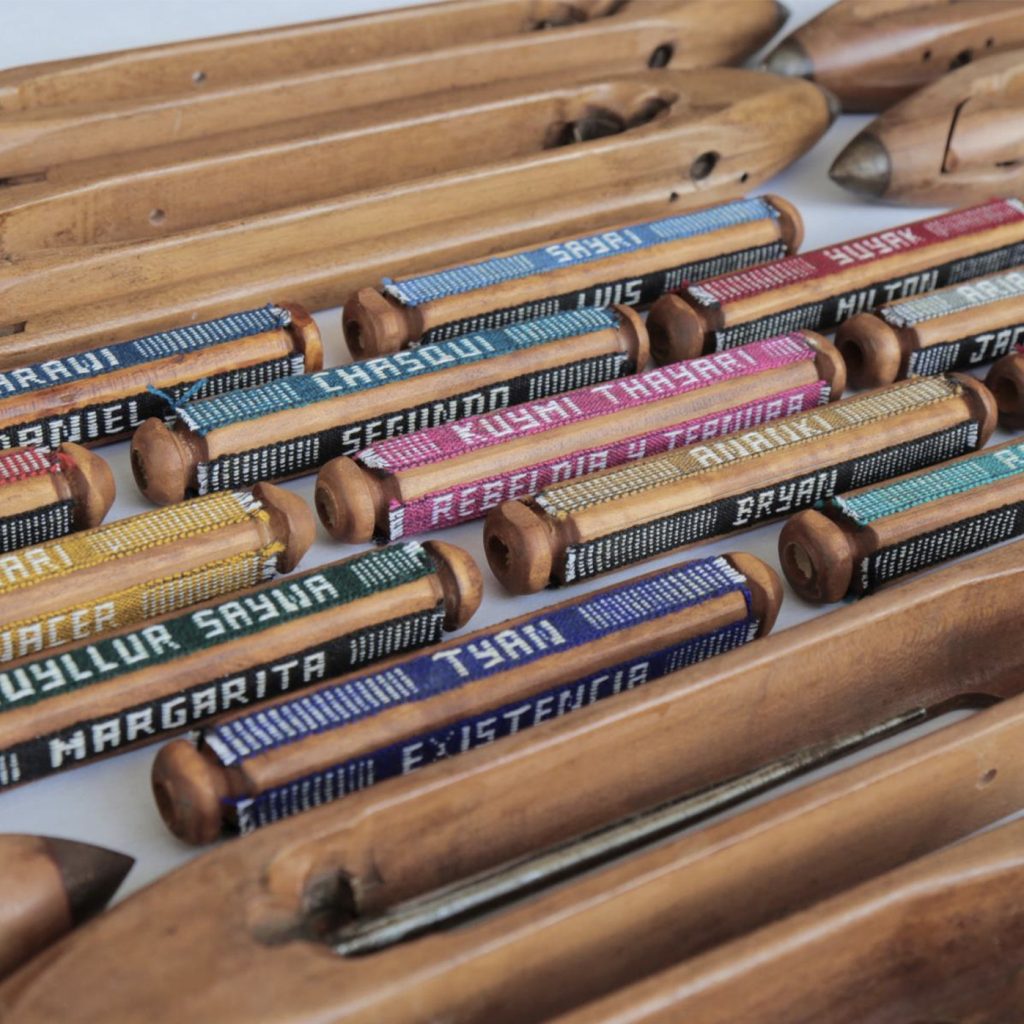
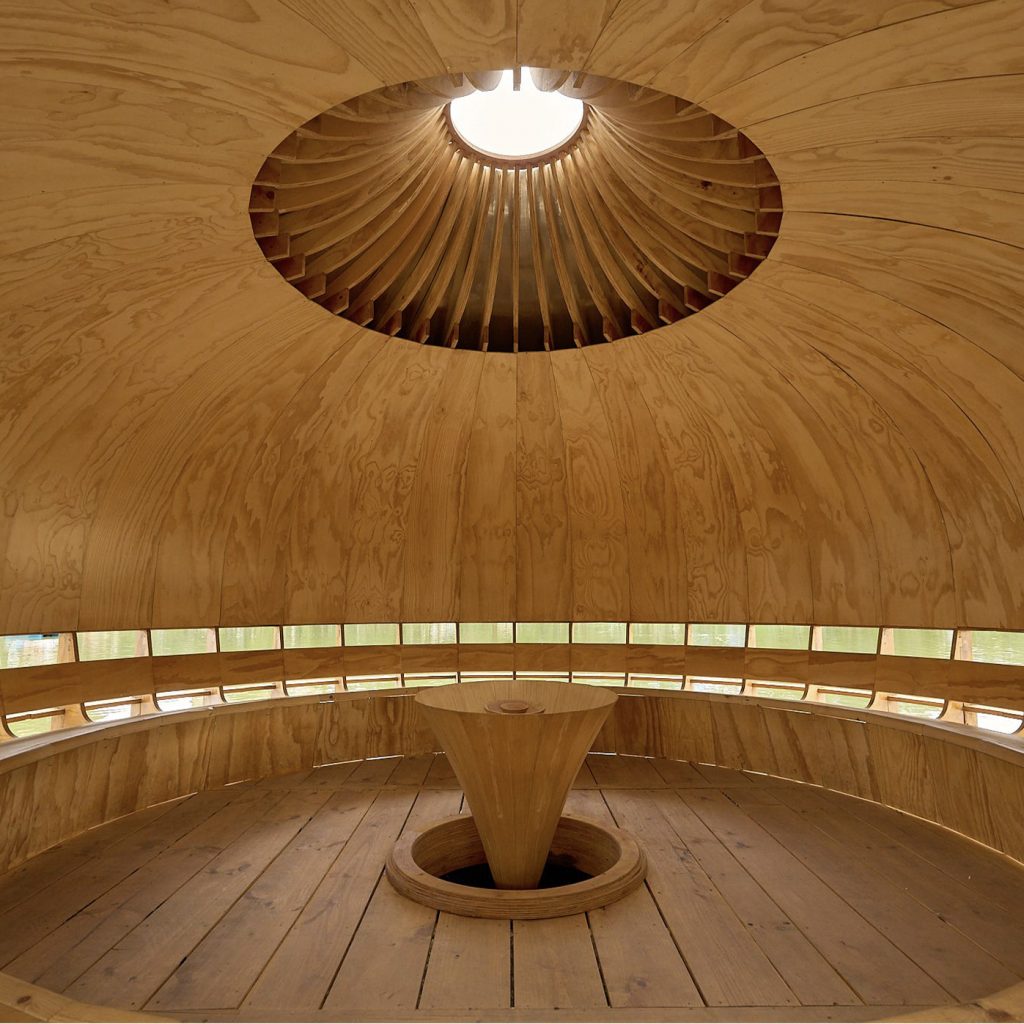
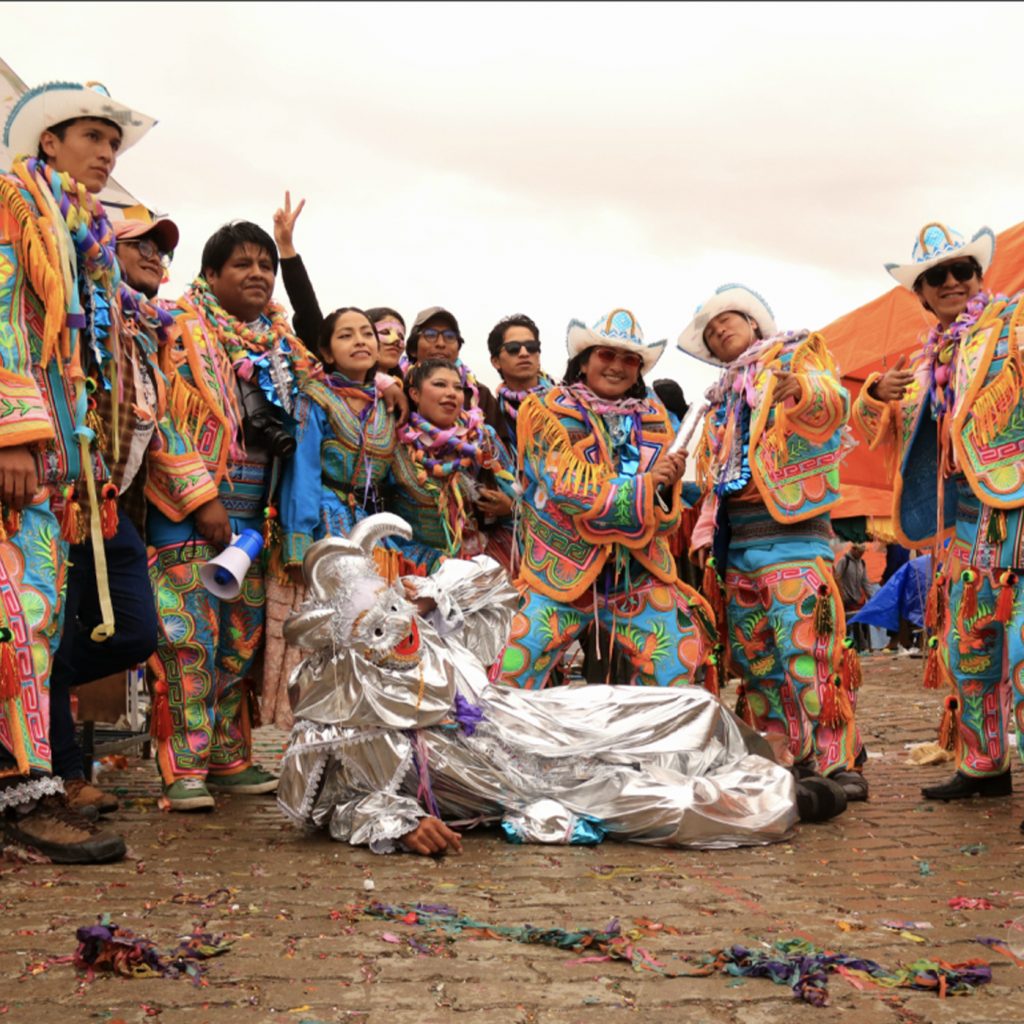
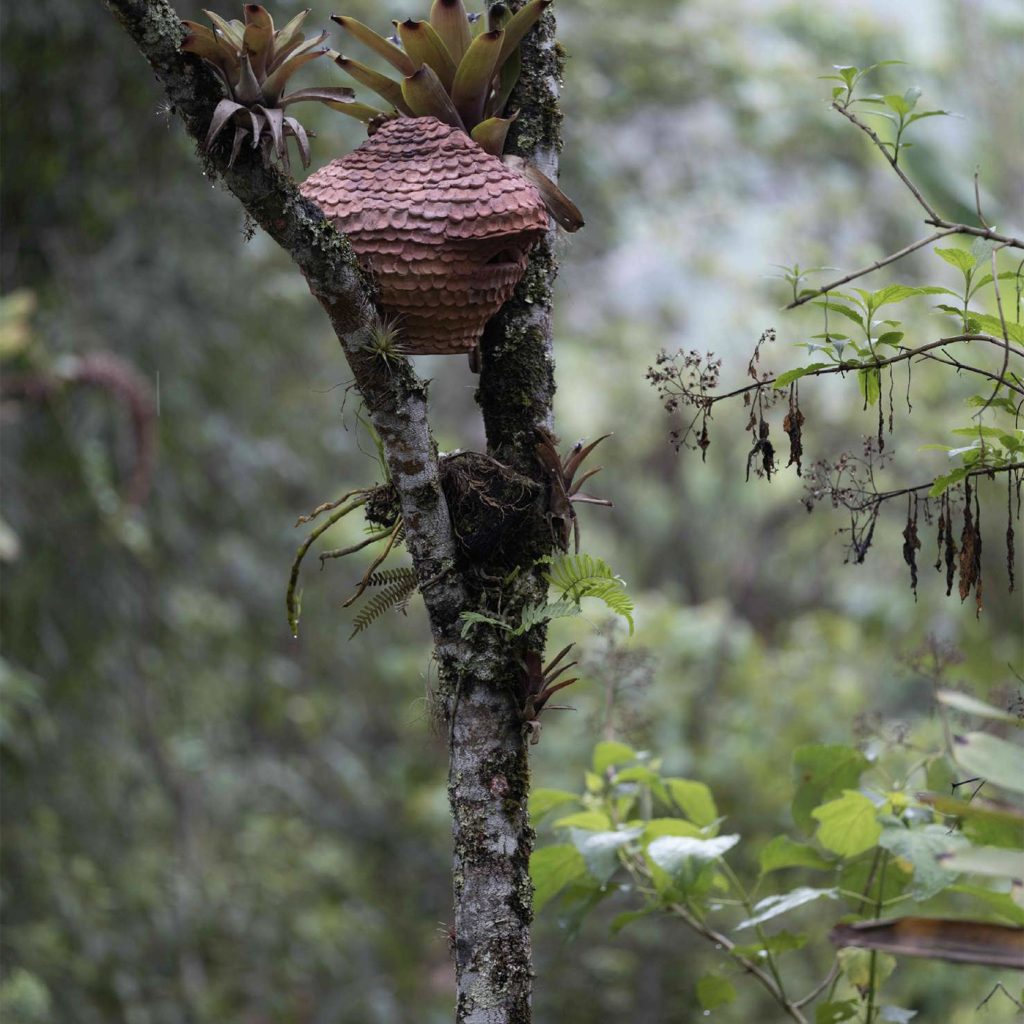
The Amazon is a bio-cultural-monument shaped by millennia of deep interactions between humans and non-humans. This territory is not pristine, but dynamic and constantly transforming. Imaginary Atlas, Amazônia emerges from this understanding to challenge the false divide between nature and culture, foregrounding Amazonia as a hybrid territory shaped by forests, informal settlements, crafts, rivers, festivities, rain, and contemporary cultural production. The project mirrors this layered complexity and adopts an antidisciplinary approach combining urban design, local crafts, cinema, games, and interactive media to provoke new ways of imagining cities beyond extractive and standardized urban models.
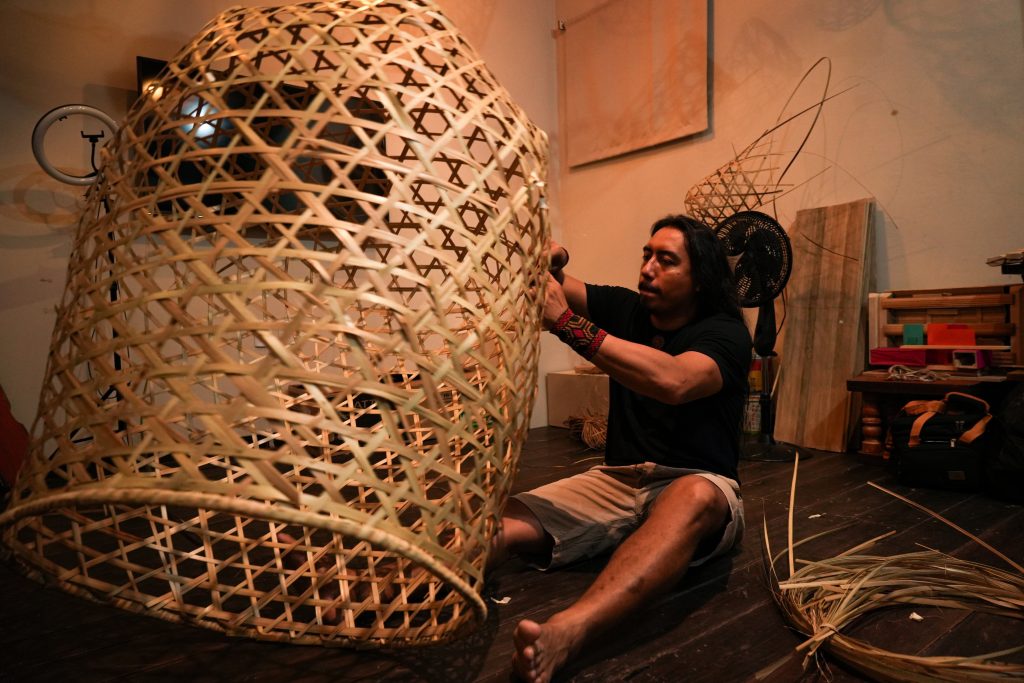
The project’s methodology can be described as TEK + Tech, integrating hyper local, ancestral, and craft based technologies with emerging digital systems. Rather than treating these as separate languages, the project allows them to converge, generating new hybrid forms of expression and suggesting alternative possibilities for human presence within complex and constantly changing ecosystems.
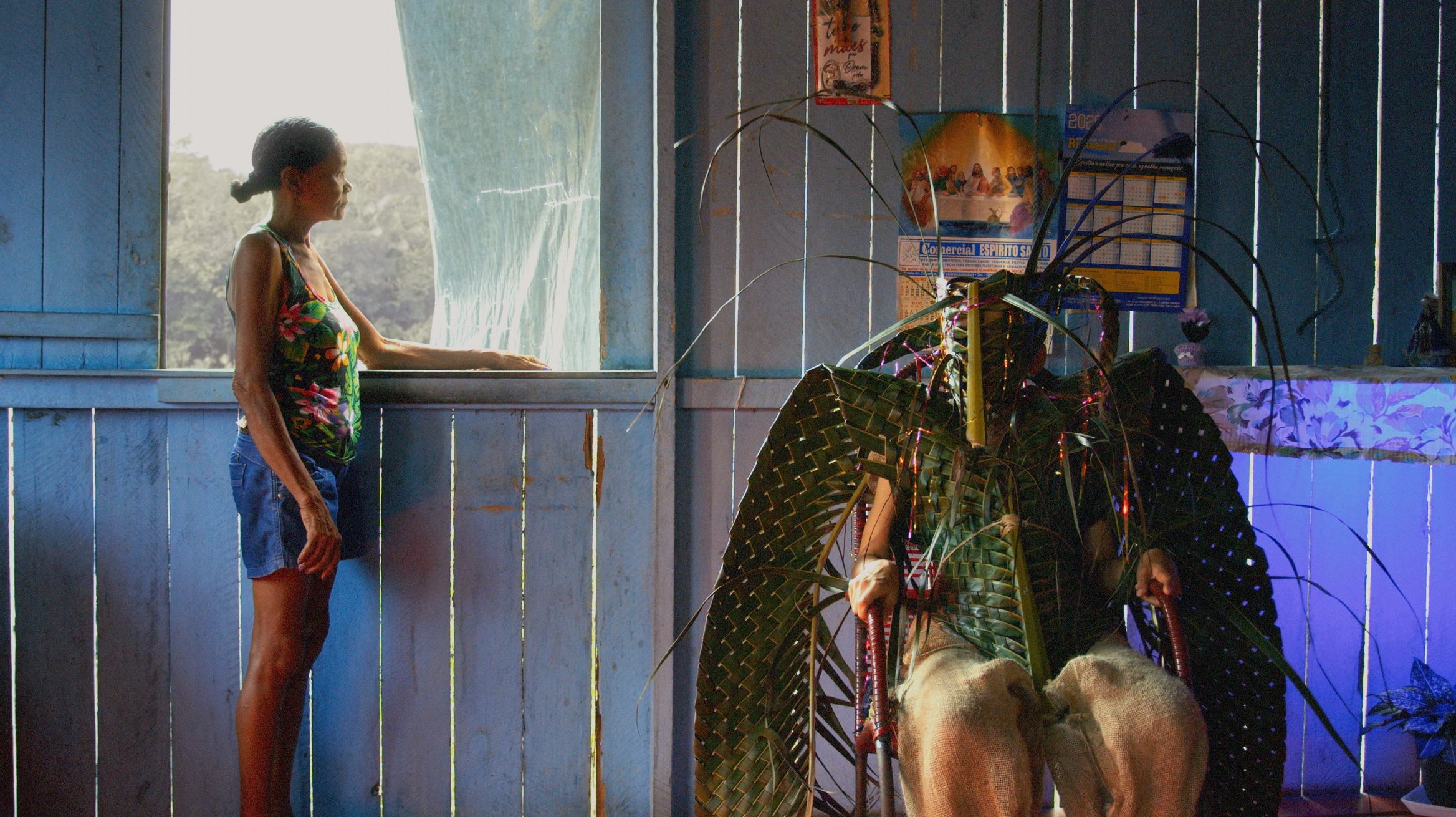
Imaginary Atlas, Amazônia is a co creation with urban Amazonian artists, many of whom are descendants of Indigenous peoples. Their practices carry ancestral aesthetics and territorial knowledge into contemporary urban life, positioning cities not as opposites of ancestral knowledge, but as one of its active continuations.
Credits
Marcelo Vaz
Labö Young
Iris da Selva
Jean Petra
Natasha K. Leite.
The broader research scope of Imaginary Atlas, Amazônia includes sustained engagement with riverine communities in Pará, including the Vale da Benção community. The project is anchored by long-term collaboration with local institutions, including the Museu Paraense Emílio Goeldi, the Estação Científi ca Ferreira Penna, and FAU-UFPA (Faculty of Architecture and Urbanism, Federal University of Pará). Research leadership is based at the MIT Media Lab, supporting sustained exchange between local and international research contexts.
Gabriela Bìlá
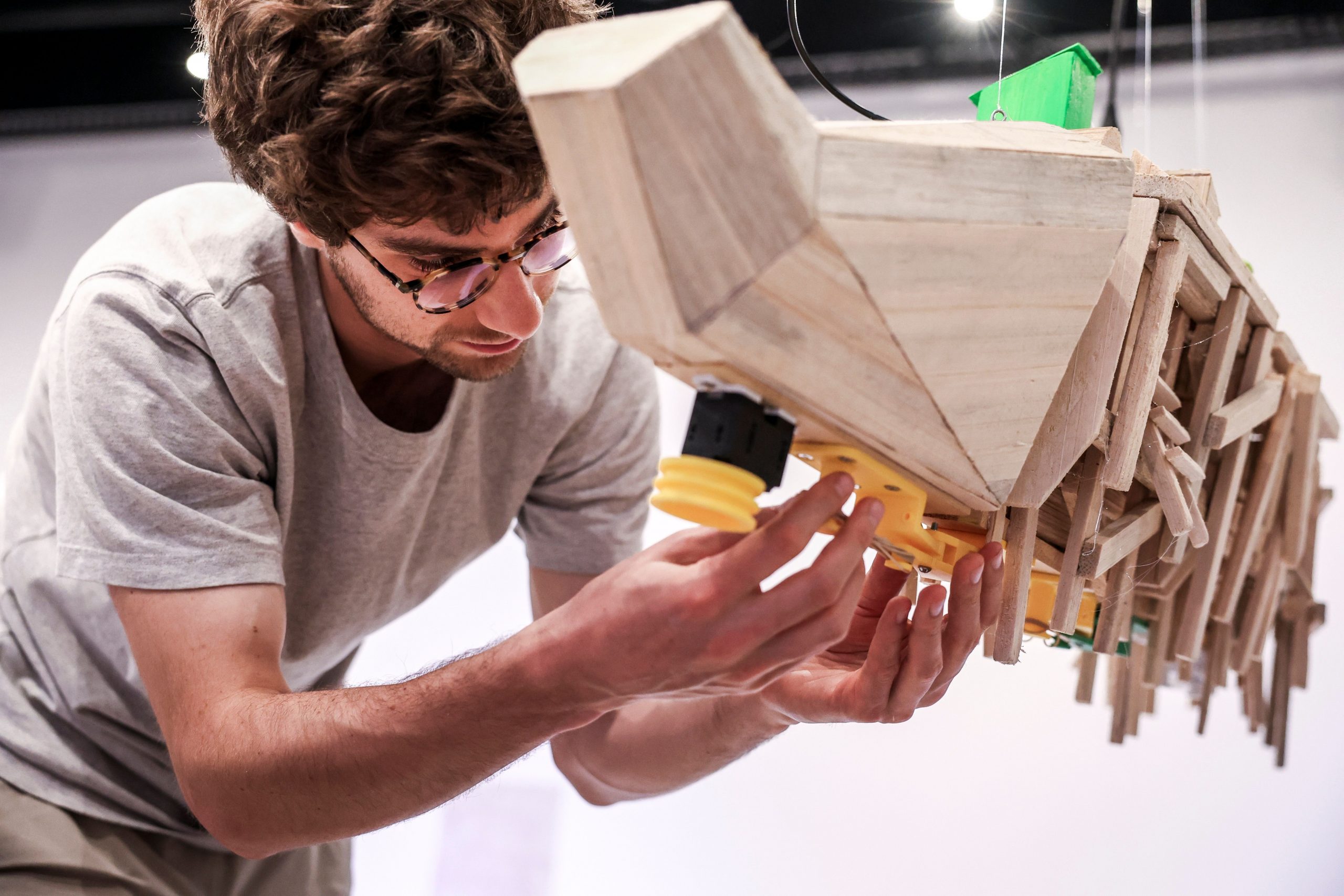
Gabriela Bìlá is a Brazilian architect and multimedia artist, currently a PhD candidate and researcher at the MIT Media Lab’s City Science group. Her work centers on the contemporary urban life, using interactive and immersive interfaces to explore how humans adapt to technological, ecological, and social transformations shaping future urban life.
Her practice bridges academic research and artistic production, emphasizing collaboration with local artists, communities, and institutions. Through cinema, game engines, tangible interfaces, and craft-based processes, she investigates alternative urban futures, particularly in the Amazon region. Alongside her artistic practice, Gabriela is an educator who has developed and taught experimental courses and workshops internationally, using science fiction and media production as tools for urban imagination.
Her work has been exhibited internationally in museums, festivals, and public spaces. Her research engages themes such as climate futures, alternative technologies, and non-extractive approaches to innovation. She currently leads the long-term research initiative Ancestral Urban Futures.