Juan Cortés
Geography of Equinoctial Plants: Counter-Taxonomy and Relational Ecologies
Catalog Text
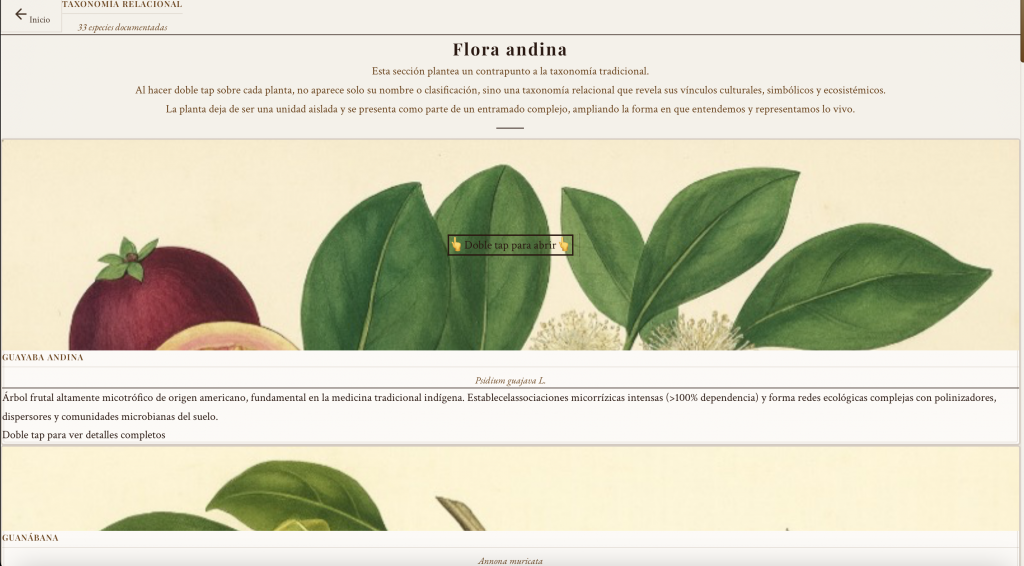
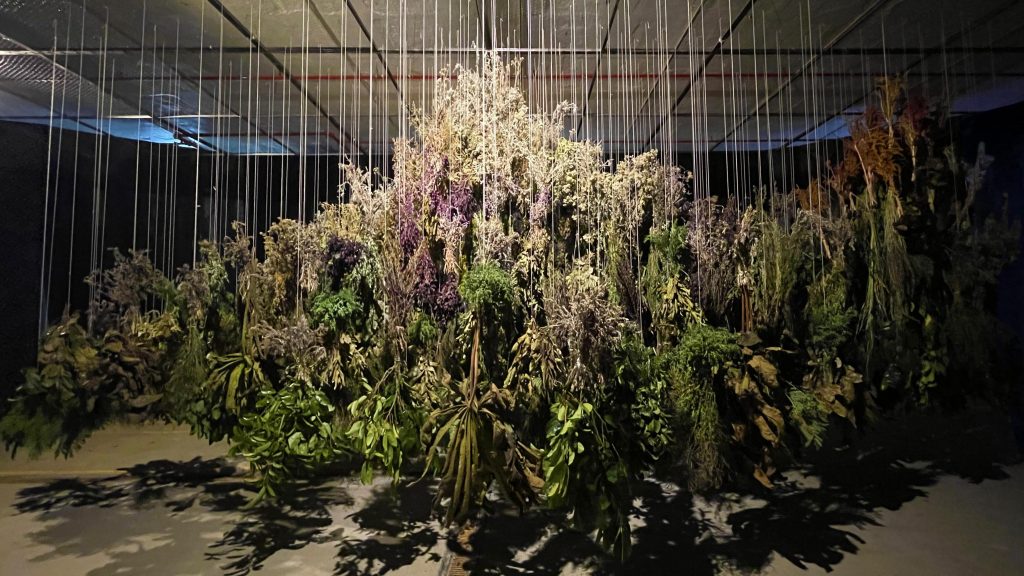
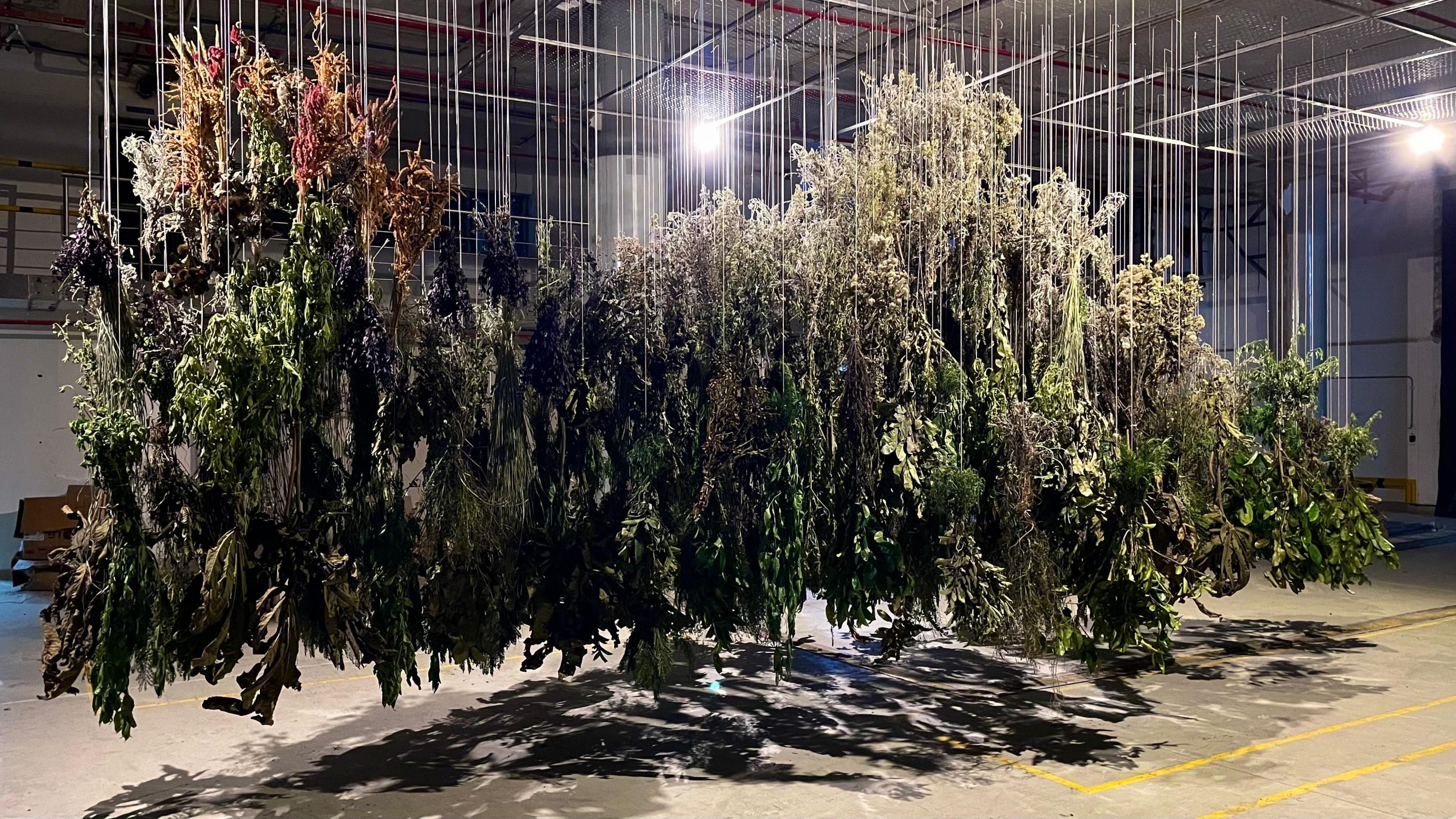
Geography of Equinoctial Plants: Counter-Taxonomy and Relational Ecologies originates from a critical re-examination of Géographie des Plantes Équinoxiales, the 1805 botanical engraving by Alexander von Humboldt. Structured around the profile of Mount Chimborazo, Ecuador, the diagram became a foundational image in the history of botanical illustration, shaping how scientists understood soil use, altitude and species distribution in the Andean tropics. While often celebrated for its apparent scientific neutrality, the engraving contains a paradox: many of the plants it depicts are not endemic to the region, and the mountain itself is rendered as a graded façade prepared for measurement, classification and extraction.
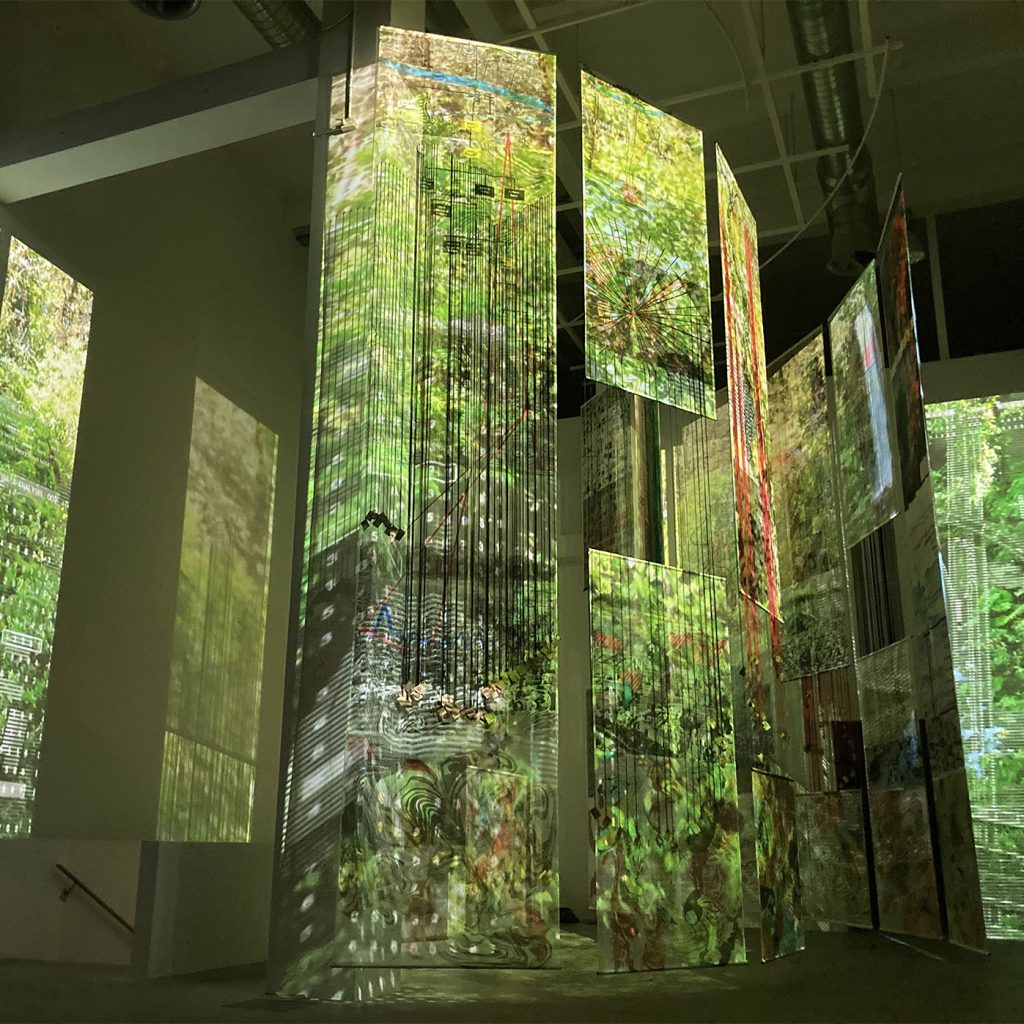
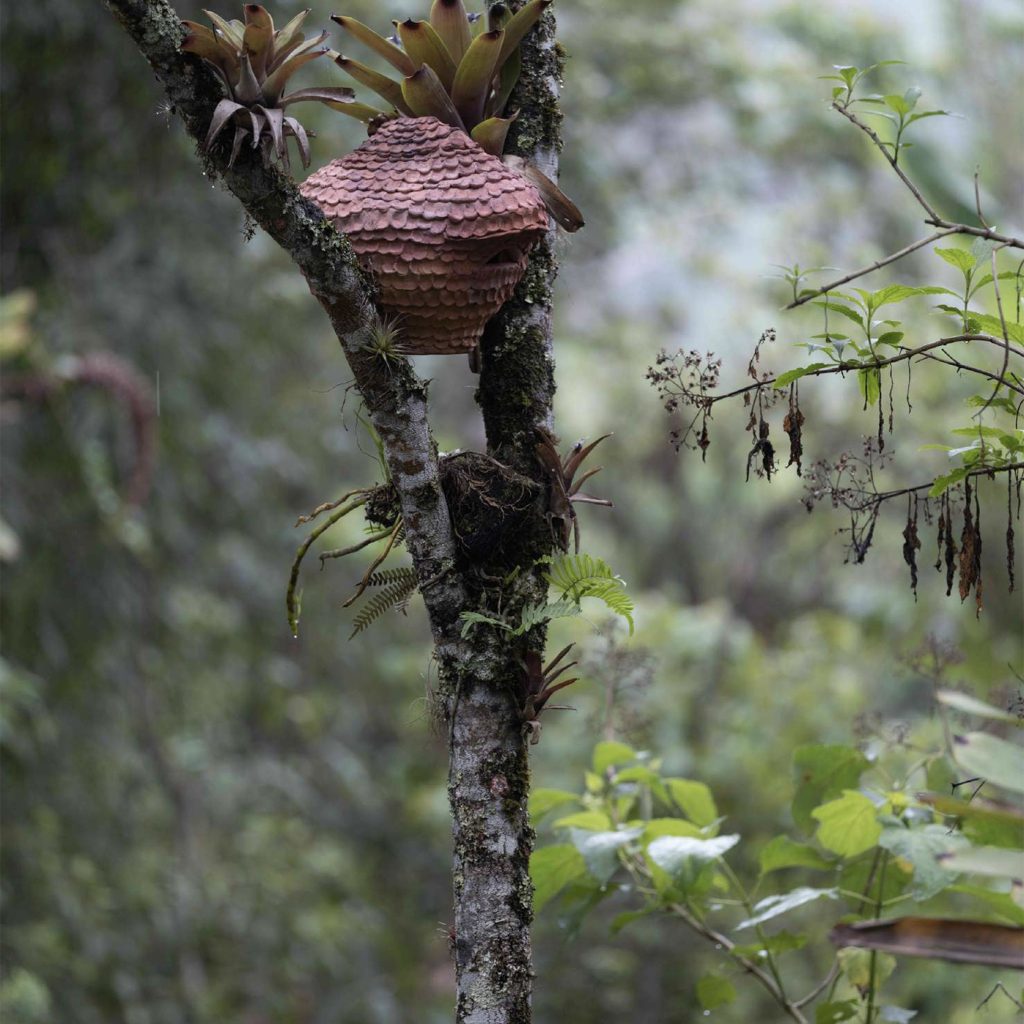
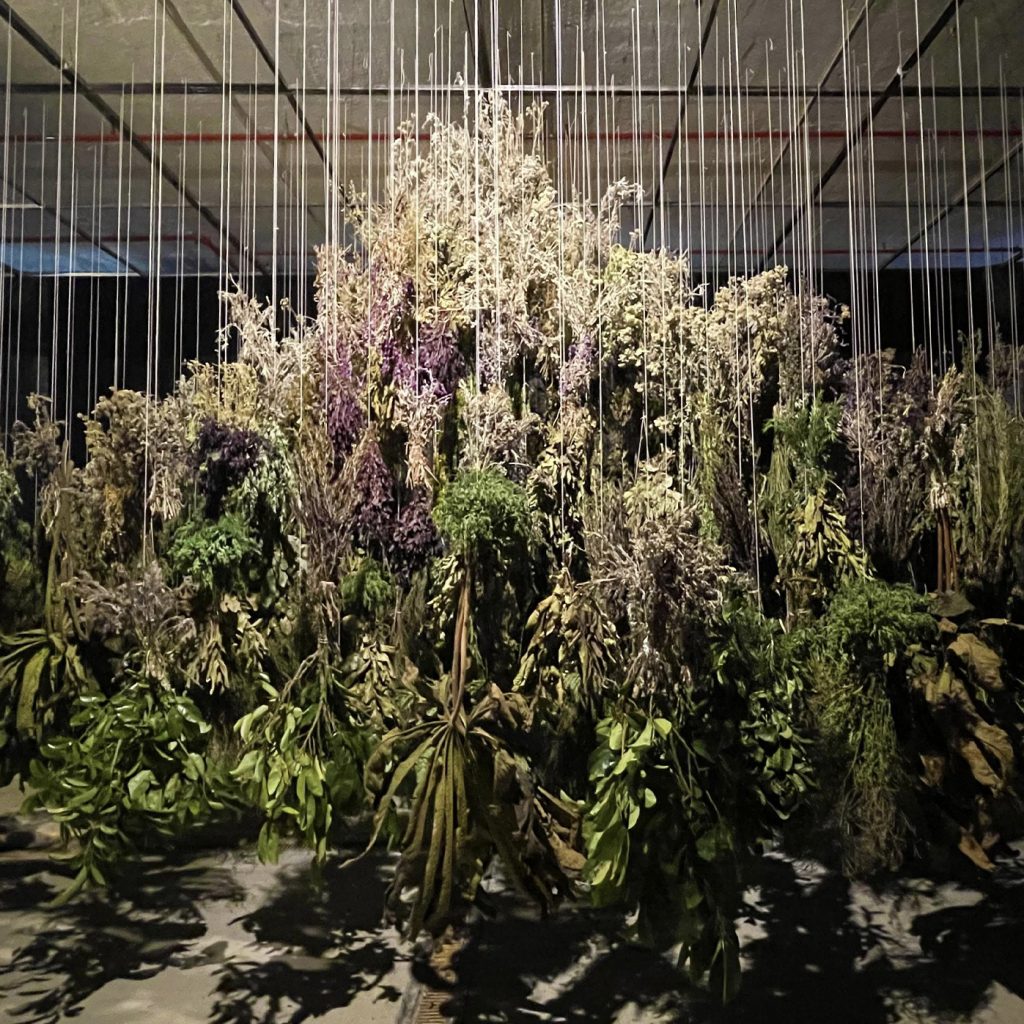
This project takes that historical image as both a material and conceptual point of departure. It reinterprets Humboldt’s diagram through a contemporary installation constructed exclusively with endemic and culturally significant Andean plants, including species
traditionally regarded as medicinal or sacred. These plants are sourced from surplus circulation in Bogotá’s Samper Mendoza market, situating the work within living networks of urban trade, agricultural labour and ecological knowledge rather than within institutional collections.
The installation reconstructs the silhouette of Chimborazo through a suspended, porous structure that allows light to pass through living matter. Plants are not presented as isolated specimens, but as elements within a relational spatial field, casting shifting shadows that register time, movement, and environmental conditions. In doing so, the work displaces the universalist logic of the original diagram and exposes classification as a cultural operation embedded in specific historical contexts.
Credits
Elena Hoyos
Jorge Alberto Rincón
Cesar Soriano – Samper Mendoza Square and Bogotá Colombia
Juan Cortés
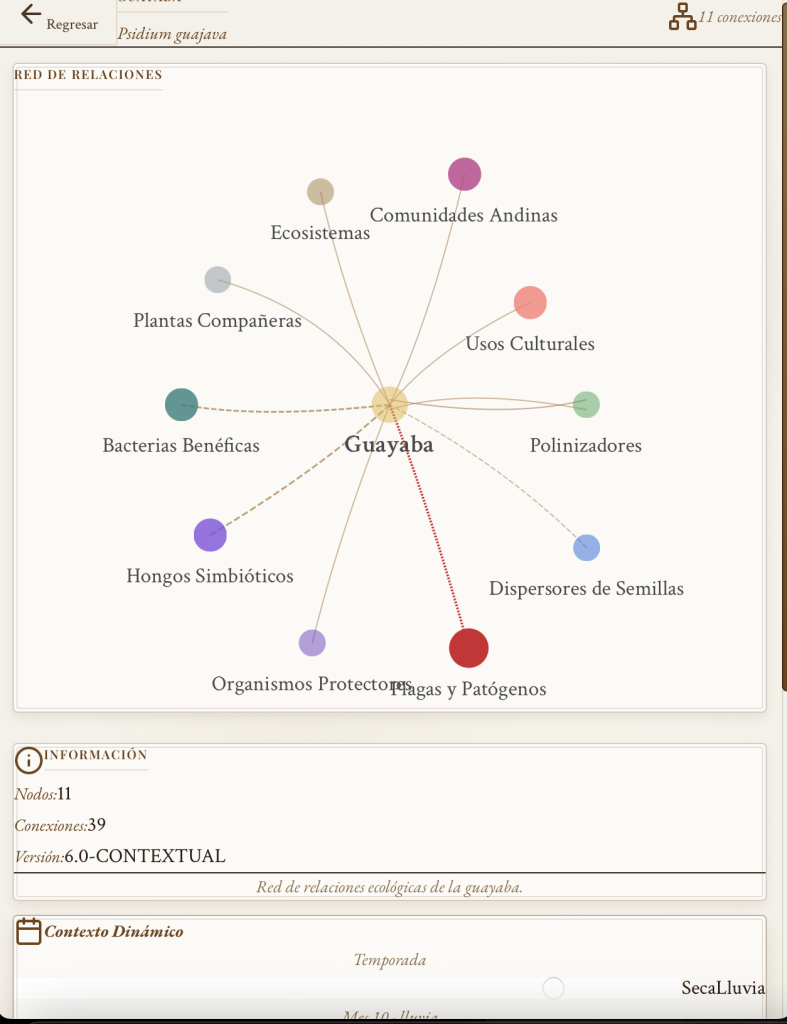
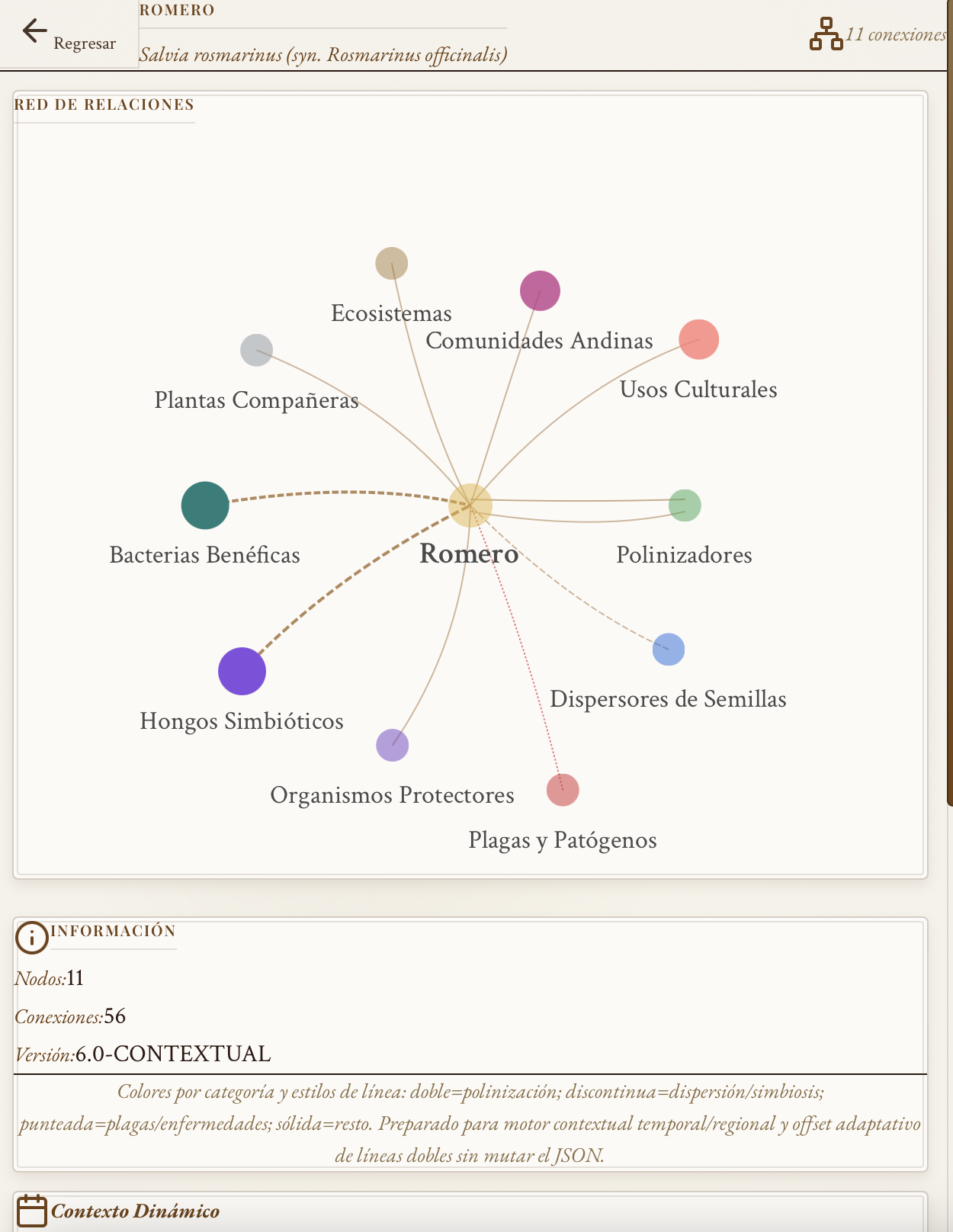
Juan Cortés (Colombia 1989) is an artist and creative technologist working at the intersection of art, ecology, and digital systems. His practice examines how technological infrastructures, classification systems, and data-driven models shape relationships between territory, knowledge, and living systems. He works across installation, sound, and computational environments, developing projects that foreground relational and situated approaches to technology.
His work has been presented internationally, and his installation A Tale of Two Seeds: Sound and Silence in Latin America’s Andean Plains was awarded a Golden Nica, marking a key milestone in his artistic trajectory.
Alongside his artistic practice, Cortes works on public-sector digital transformation projects in Colombia, developing technological infrastructures for cultural heritage, memory, and decentralised access to knowledge. He is currently involved in the development of a Virtual Museum of Memory, exploring how digital platforms can support collective memory, participation, and non-centralised governance models.