João Machado
Interspecies Architectures with native bees
Catalog Text
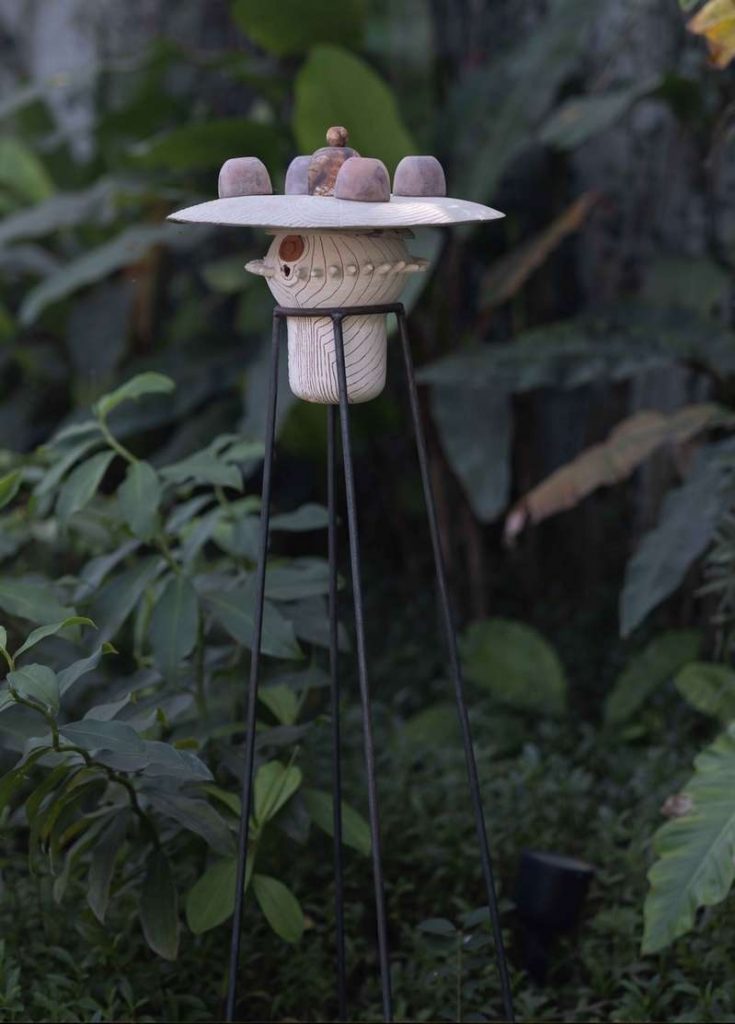
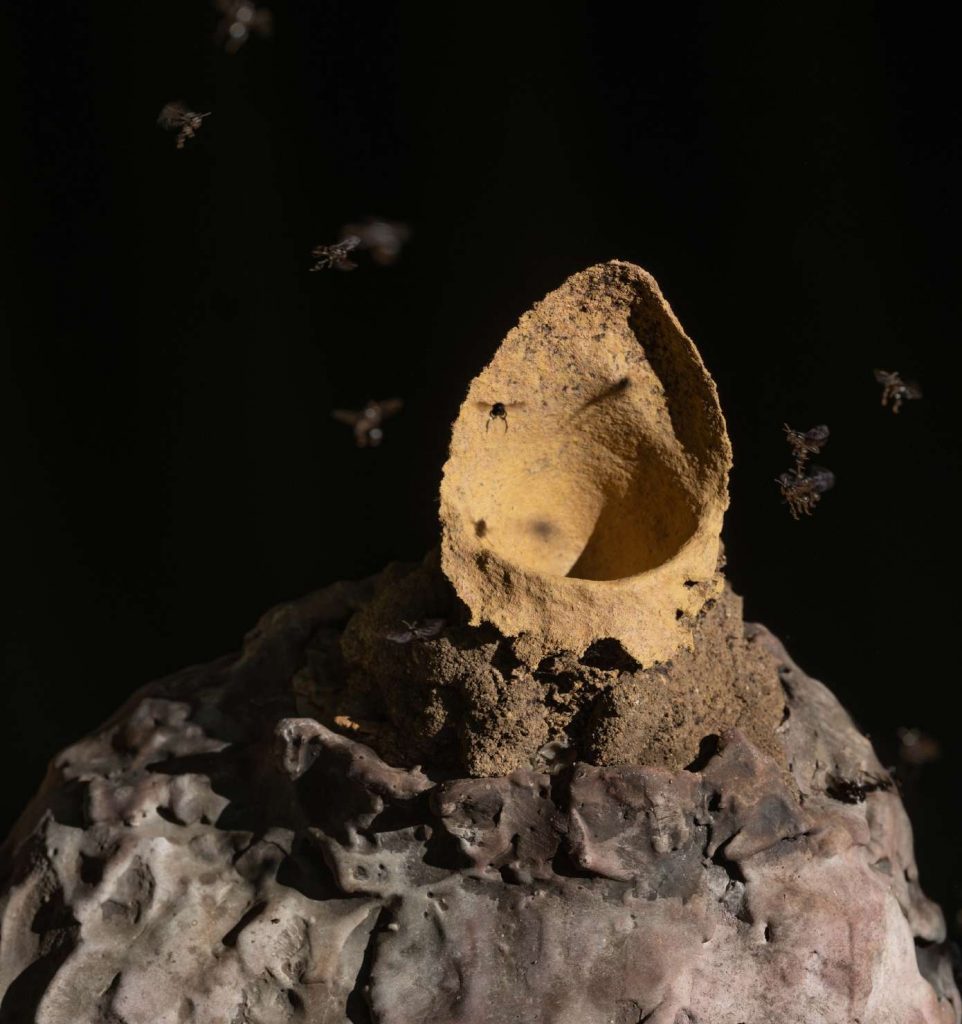
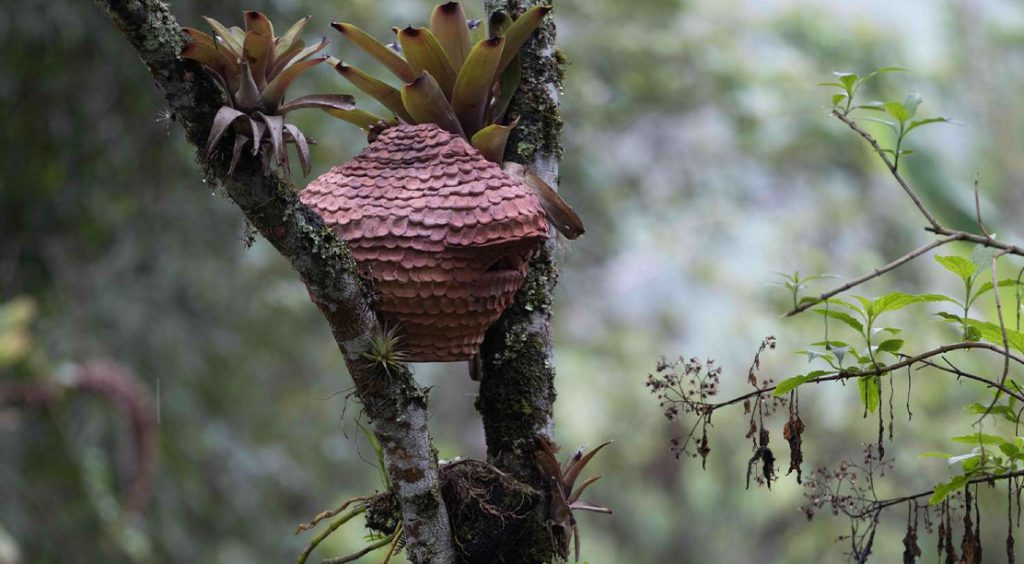
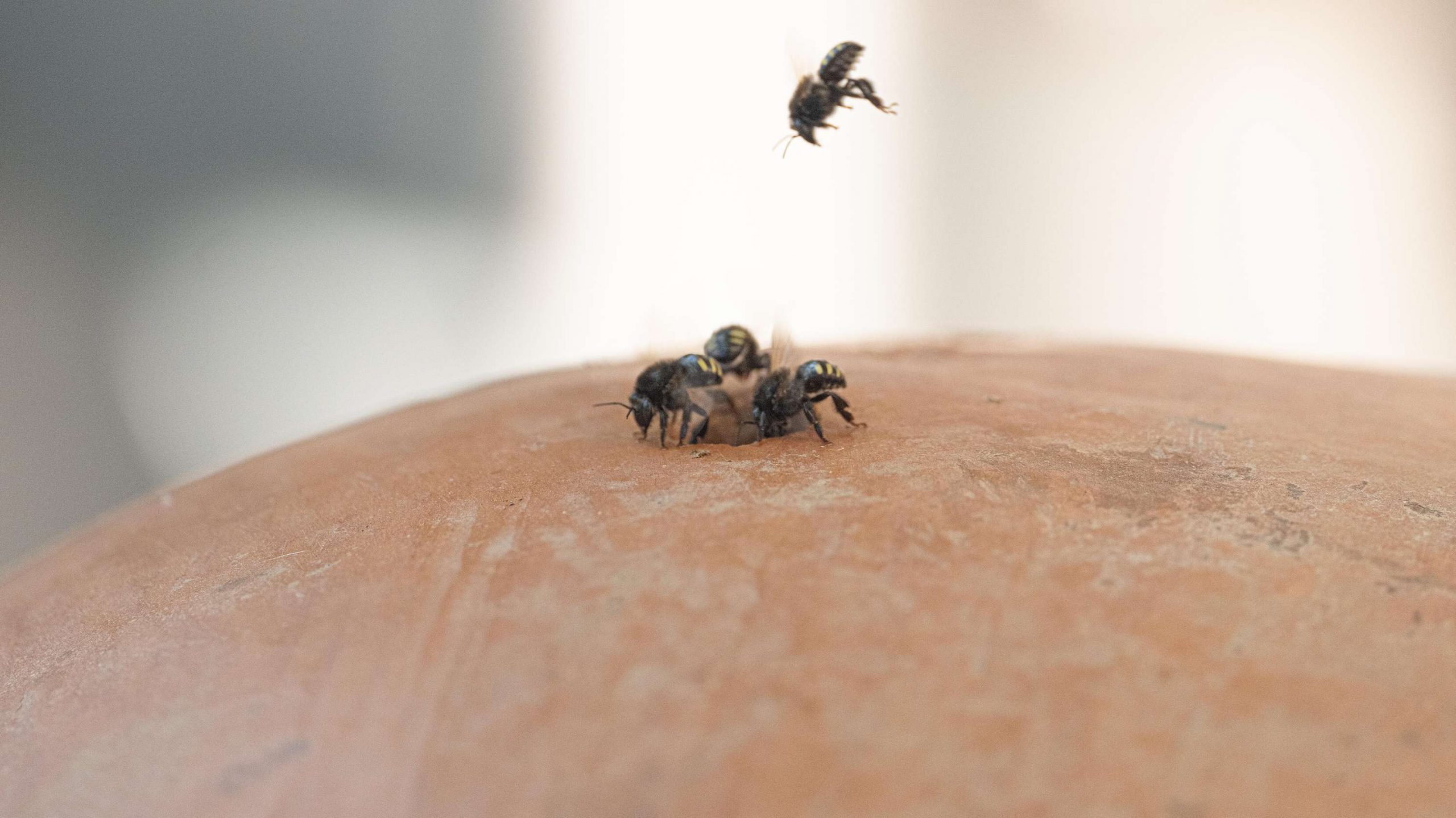
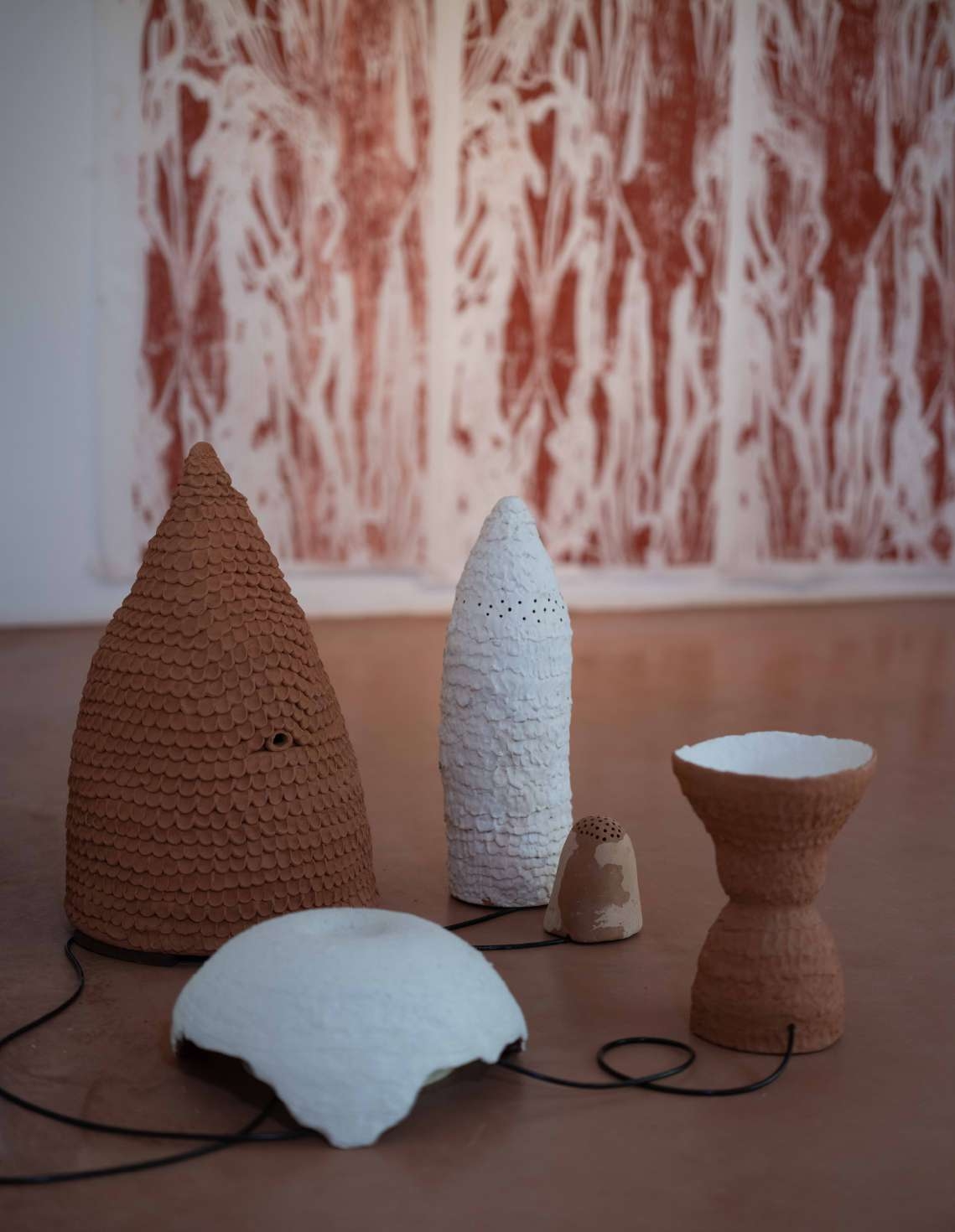
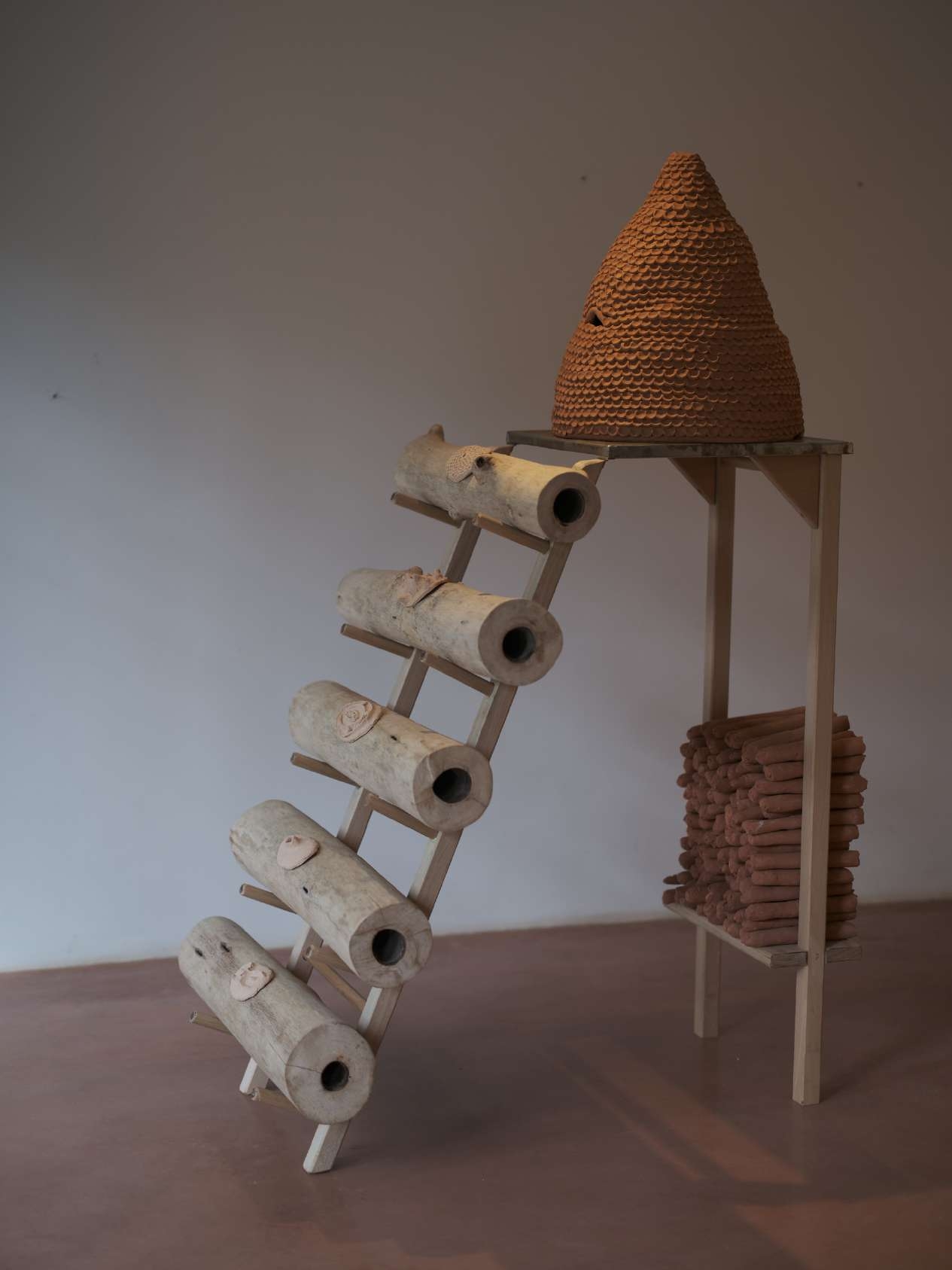
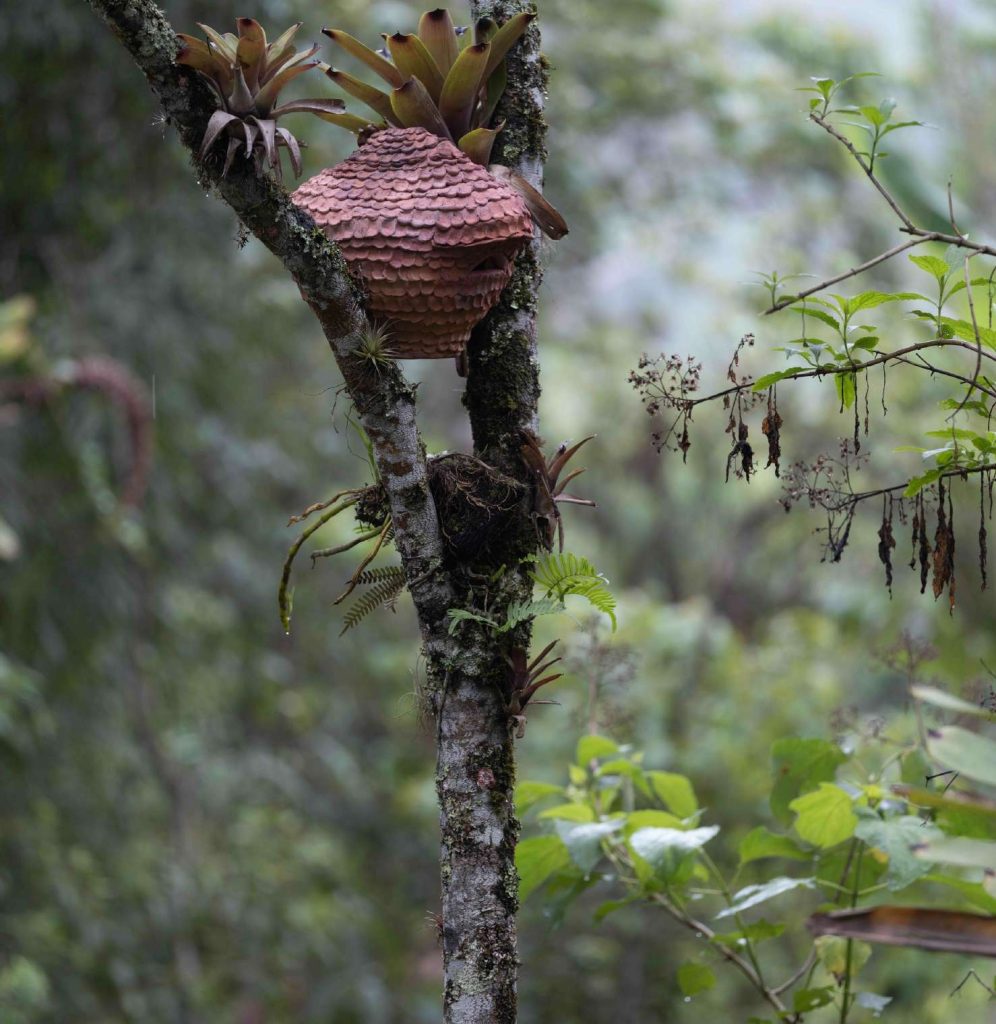
“Interspecies Architectures: Ceramic Habitats for Stingless Bees” is an ongoing artistic research that develops ceramic architectures as nesting refuges for native stingless bees in Brazil, combining sculpture, bioacoustics and collaborative fieldwork with beekeepers and local communities. The project proposes sculptural objects that are not only artworks but also functioning habitats, designed to host specific bee species and to make their presence and sounds perceptible to human audiences. By working with these small pollinators, the project addresses the fragile and often invisible infrastructures that sustain biodiversity, food production and forest regeneration in Latin America.
The ceramic habitats are conceived as interfaces that mediate between human and more‑than‑human perspectives. Their internal cavities, surface textures and thermal properties are developed in dialogue with traditional meliponiculture knowledge, empirical observations of bees’ preferences and contemporary ceramic techniques such as wood
firing, saggar firing and pit firing. Each piece negotiates between scientific constraints (volume, insulation, entrance orientation) and aesthetic decisions that invite care, contemplation and embodied attention in gardens, urban spaces or rural landscapes.
The project engages directly with the ideas of Buen Vivir and Lo‑TEK by foregrounding Indigenous and ancestral relationships with stingless bees while refusing an extractivist approach to knowledge. In many Indigenous and traditional communities across Abya Yala, stingless bees are considered relatives, teachers and guardians of the forest, and their honey and wax are entangled with ritual, medicine and reciprocity. Instead of appropriating these cosmologies as motifs, the work seeks to learn from their ethical frameworks: the architectures are developed through long‑term conversations with local beekeepers, respecting species‑specific needs and aiming to return habitat to degraded or urbanised areas.
Credits
One of the key knowledge holders connected to this project is Karai Tatandy. Beyond this specific relationship, the project is developed in conversation with meliponiculturists and beekeeping communities in Brazil, who contribute practical and situated knowledge about the care of stingless bees.
João Machado
João Machado is a Brazilian visual artist and researcher working at the intersection of ceramic sculpture, sound art and bioacoustics, with a focus on native stingless bees and interspecies relations in Latin American territories. His practice develops ceramic architectures that function both as habitats for bees and as sculptural interfaces, often combined with field recordings and subtle sound installations that amplify more‑than‑human presences in gardens, forests and exhibition spaces.
Machado is the co‑founder of Villa Mandaçaia, a ceramics studio and independent art space in Bocaina de Minas/MG with a branch in São Paulo, and the founder of Meliponário Villa Mandaçaia, a registered meliponiculture project integrating ecological research and artistic practice. His recent projects, including Geopropolis, Architectures for Native Bees and Territorios do zumbido, involve collaborations with meliponiculturists, Indigenous knowledge holders and local communities, and propose art as a tool for shared habitat‑building, environmental care and transformed modes of listening.