Voluspa Jarpa
Counter-Cartographies of Resistance: Innovation and Ancestral Memory
Reinventing the Map as a Technology of Repair
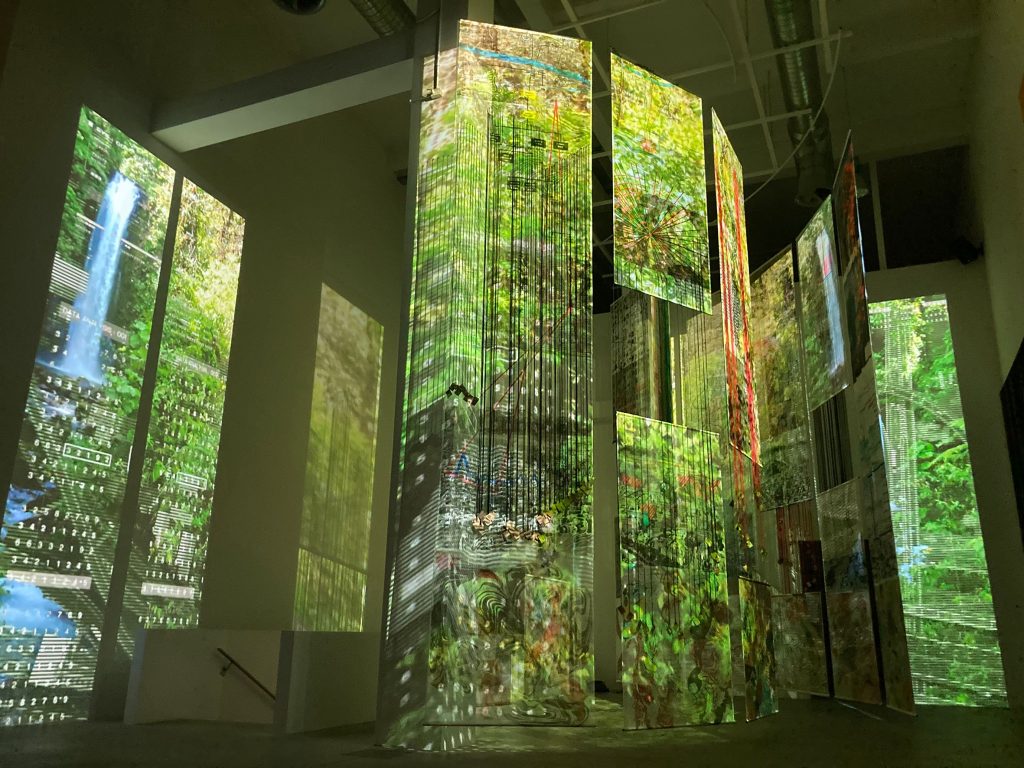
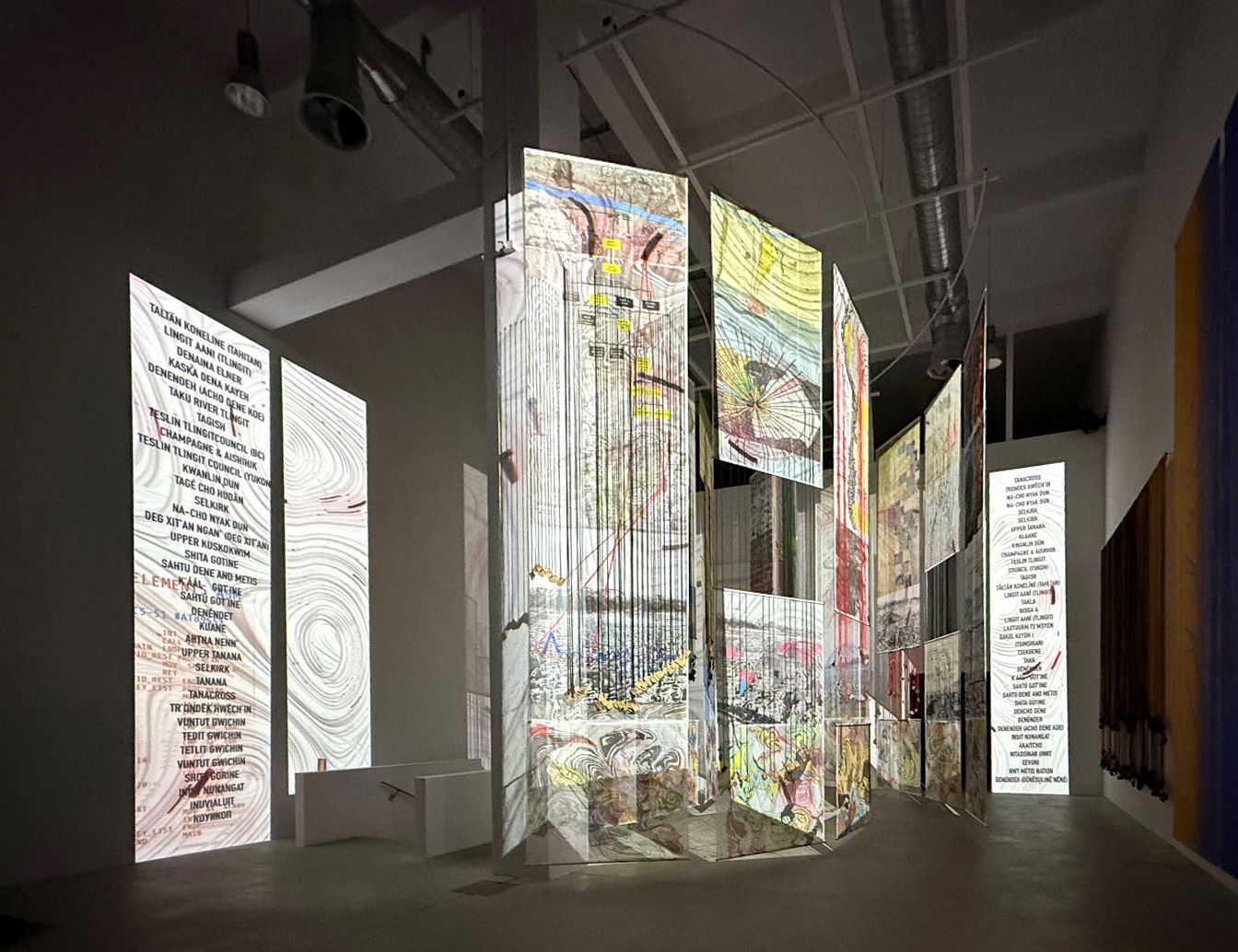
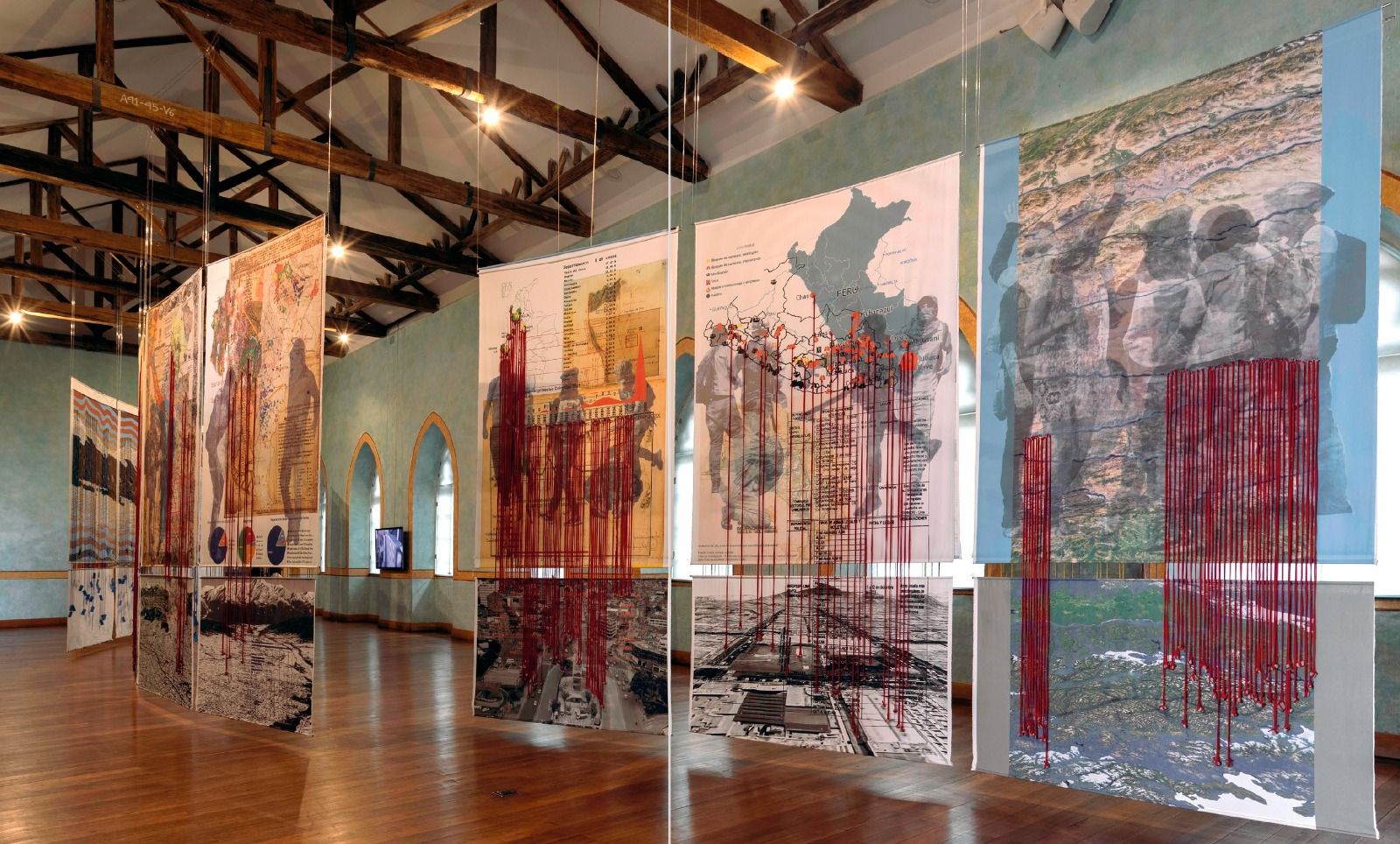
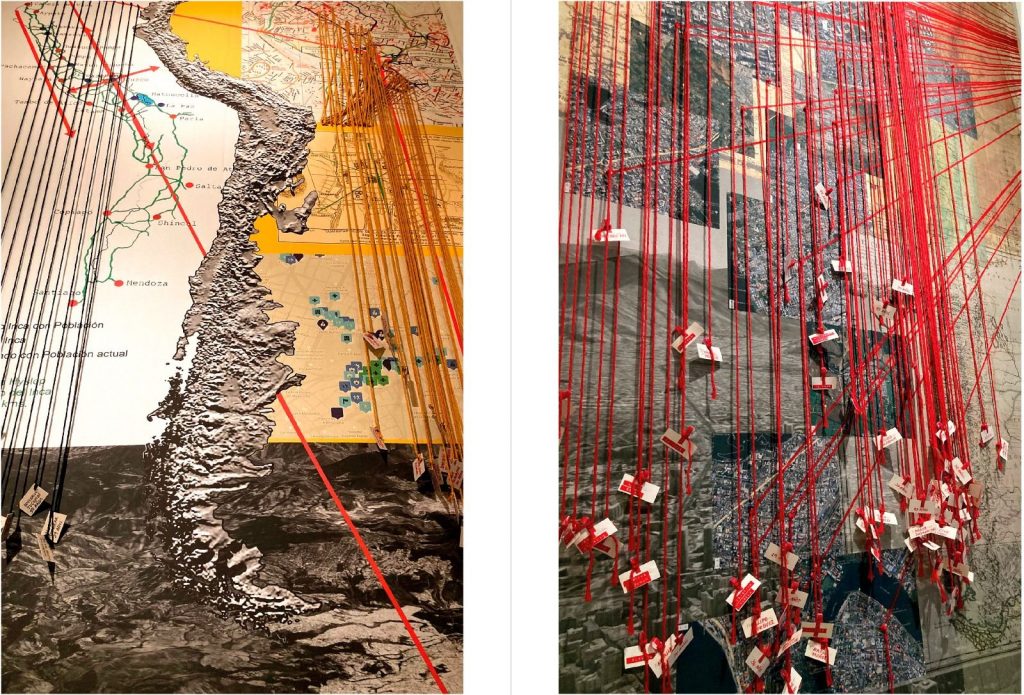
At the intersection of contemporary art, ancestral data engineering, and social justice emerges the installation Counter-Cartographies of Resistance. This immersive work is not merely an aesthetic installation; it is a techno-political device for repair and recovery. Its aim is to subvert traditional cartography—historically used as the geopolitical engine of colonial expansion in the 16th and 17th centuries—and transform it into a tool that makes visible the knowledge systems of Andean and mestizo America.
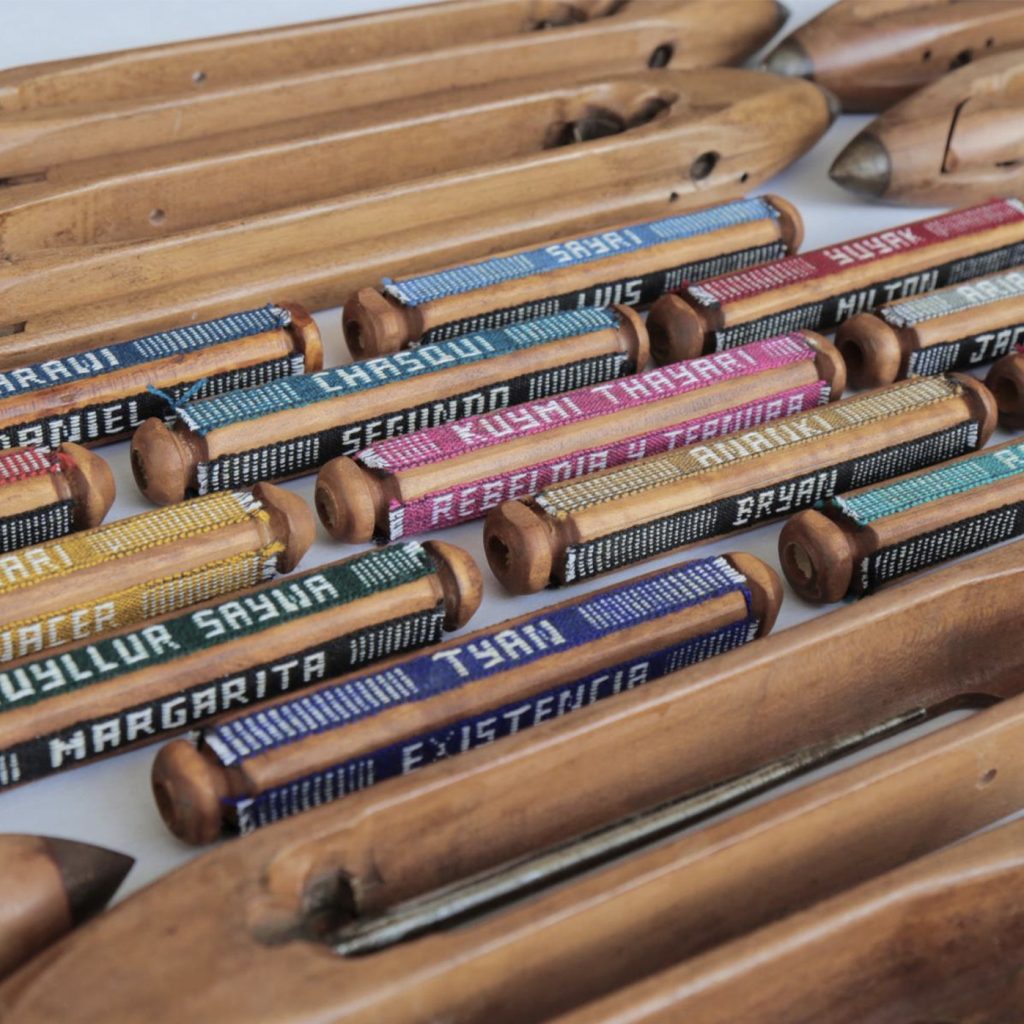
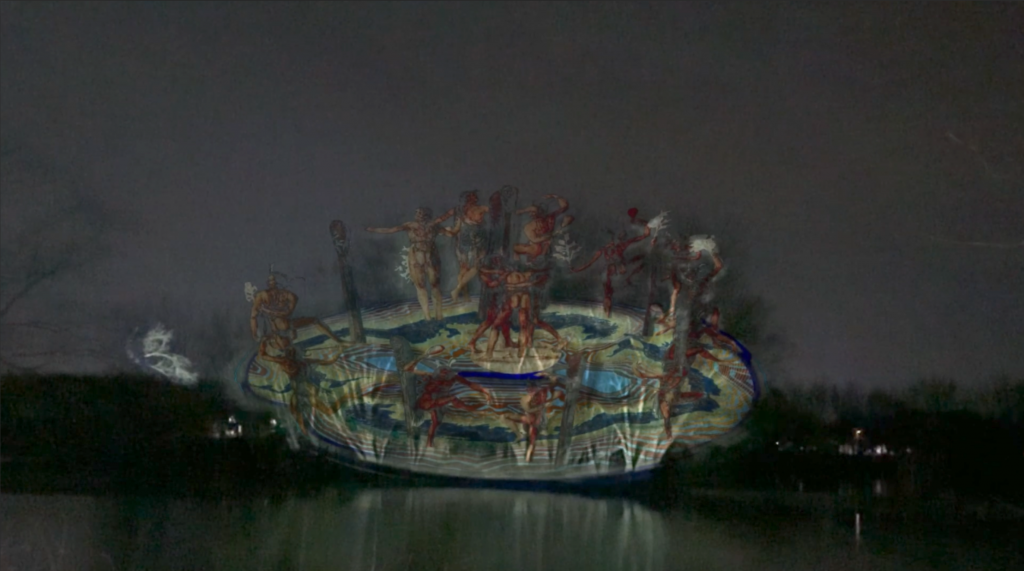
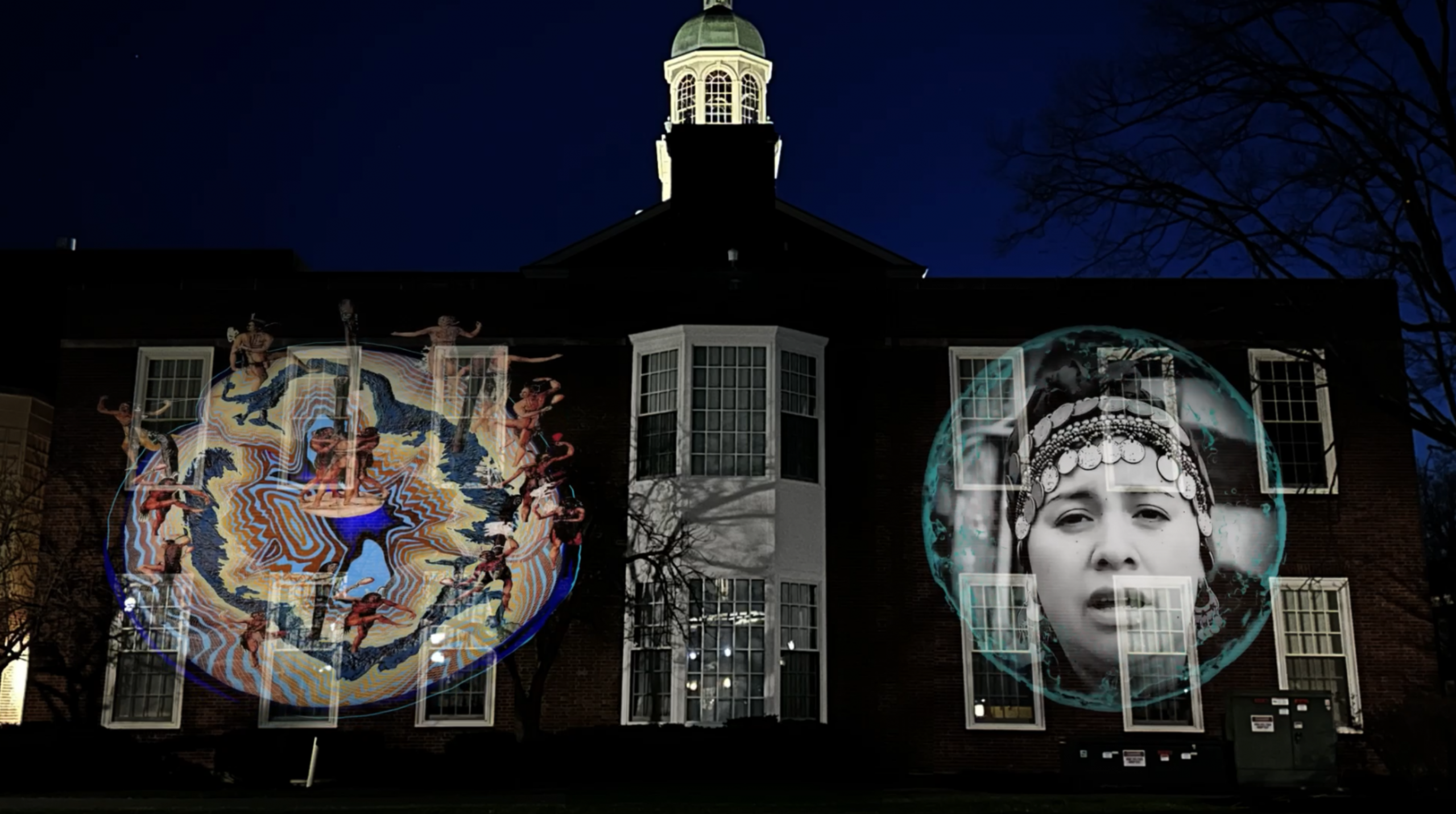
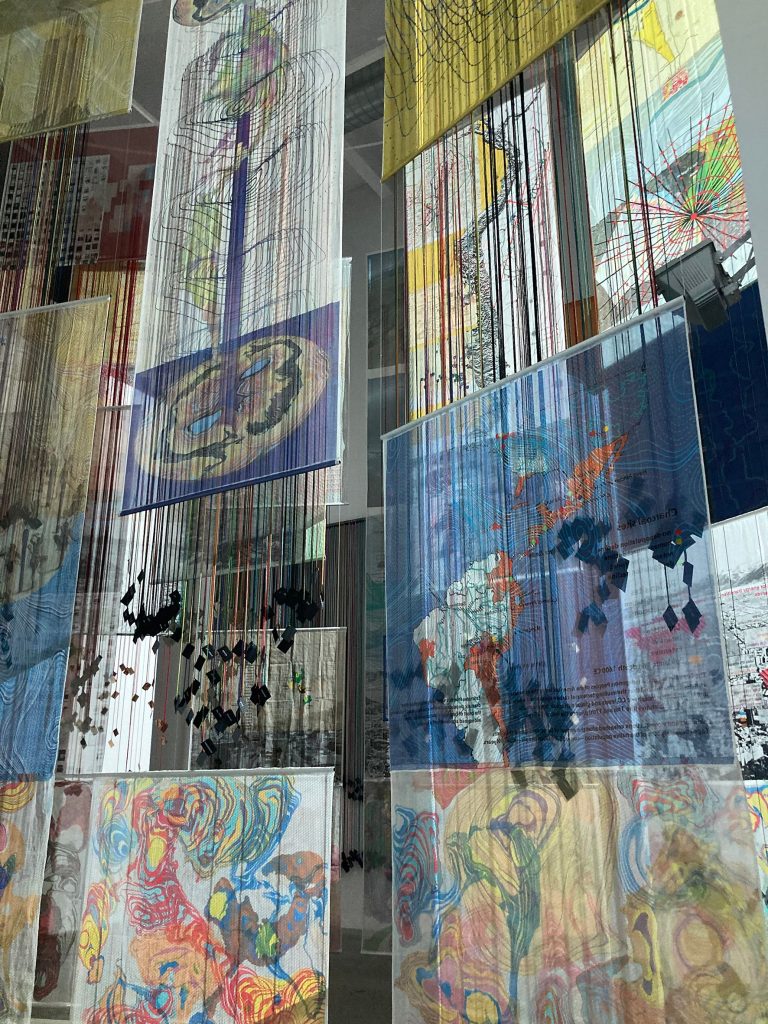
The project proposes an innovation with roots: a “technology of listening.” By integrating the concept of Suma Qamaña (Buen Vivir / Good Living) and the Quipu recording system, the work acts as a bridge between millennia-old cosmologies and today’s demands for inclusion, reclaiming territory not as a resource to be extracted, but as a living body in need of healing. To that end, the installation activates a counter-cartography that carries a message of repair from Mapuche machi Millaray Melinao through video mapping, creating a symbolic bridge between the North and South of the continent by weaving together times and territories connected through other paradigms and ways of knowing—paradigms the work honours and invites audiences to experience.
Counter-Cartographies of Resistance is a healing map: a visual and technological manifesto. It suggests that, to move toward a sustainable future, we must first “look forward” to our ancestors. The work does not merely describe a territory; it claims it, renders it visible, and ultimately seeks to mend the rupture between humanity and the earth through the use of technologies that have always been there, waiting to be rediscovered. It is a call for innovation with roots, where art, data science, and ancestral wisdom converge to redefine what “Buen Vivir” can mean in the digital age.
Intercultural collaboration with
Mapuche machi Millaray Melinao
from the Rulo community (Nueva Imperial, Araucanía Region, Chile)
Edmundo Browne – Architect, Project Director (Madrid)
technical drawings, installation solutions, and overall production
Luis Barrera – Pixelmaker Inc. (Miami)
audiovisual design and technical direction of the video mapping
Violeta Molyneux
Recording and editing of Millaray Melinao’s video
Valentina Pardo (Príncipe Mapuche)
Sound design for the video mapping.
Voluspa Jarpa
Since 1994, Voluspa Jarpa has maintained an extensive artistic practice, presenting solo and group exhibitions in Chile and internationally. Her work is grounded in long-term research into archives, memory, and the cultural and symbolic dimensions of social trauma, with a focus on the Cold War in Latin America and the artistic activation of U.S. declassified intelligence archives. More recently, she has examined Andean social uprisings (2018–2024) in Colombia, Chile, Ecuador, Peru, Bolivia, Argentina, and Venezuela, tracing state violence, environmental sacrifice zones, mining, urbanization, and the weakening of democratic systems—dynamics that remain entangled with colonial legacies. Notable exhibitions include the 31st São Paulo Biennial (2014), In Our Small Region Over Here at MALBA (2016), the 12th Shanghai Biennale (2018), and Altered Views, Chile Pavilion, Venice Biennale (2019). She received the first Julius Baer Prize (2020) and an Acquisition Prize at the 16th Cuenca Biennial (2023).
Jury Statement
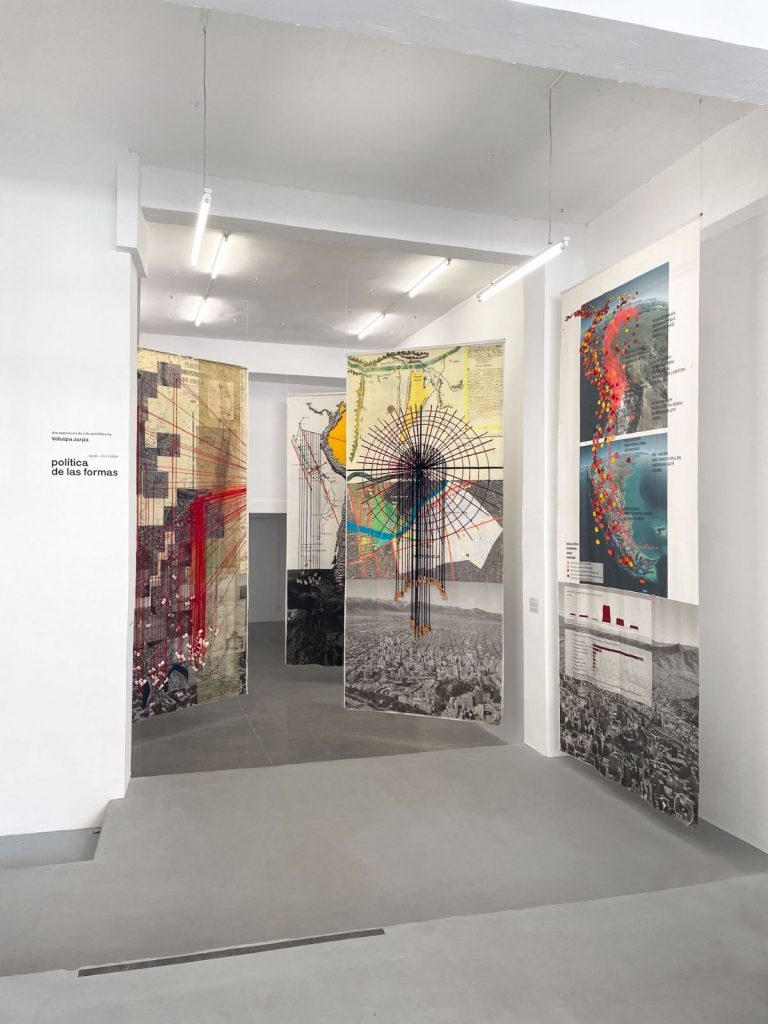
Counter-Cartographies of Resistance: Innovation and Ancestral Memory is founded on a comprehensive and rigorous examination of recent episodes of police repression in South American countries, drawing a cartography of violence but also of resistance. The research materializes in a woven cartography which powerfully speaks to the concept of Suma Qamaña (Buen Vivir / Good Living).
Through the use of cartographic methods and the knot-based recording system of the Quipu, Jarpa reflects on Suma Qamaña as a contested, geographically and culturally embedded concept, one that exists comfortably in academic contexts but much less so in the areas subjected to the violence of extractivism, in places where its defence of Buen Vivir is violently repressed.
The jury values the thoughtful consideration of recording practices and their political implications. The Quipu technology is redefined and revitalized in a thoughtful, distinctive and immersive way, without losing its essential purpose: recording, serving as a tangible data-storage structure. Cartography–the instrument of domination that facilitated the past and present exploitation of the land Jarpa’s artwork brings to light–is repurposed into a methodology for listening and making knowledge available.
Voluspa Jarpa’s work has benefited from collaboration with machi Millaray Melinao, from the Rulo community (Nueva Imperial, Araucanía Region, Chile). Her guidance stems from a sustained relationship that has, in the past, resulted in artistic collaboration.