El Alto Aesthetics
El Alto Aesthetics Collective
Project description
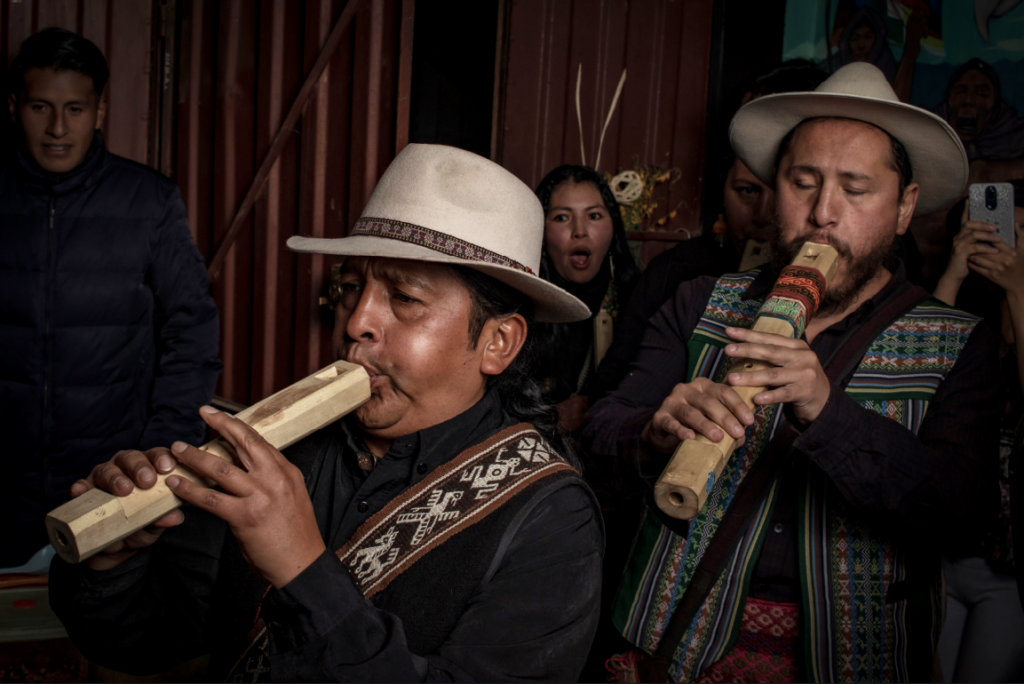
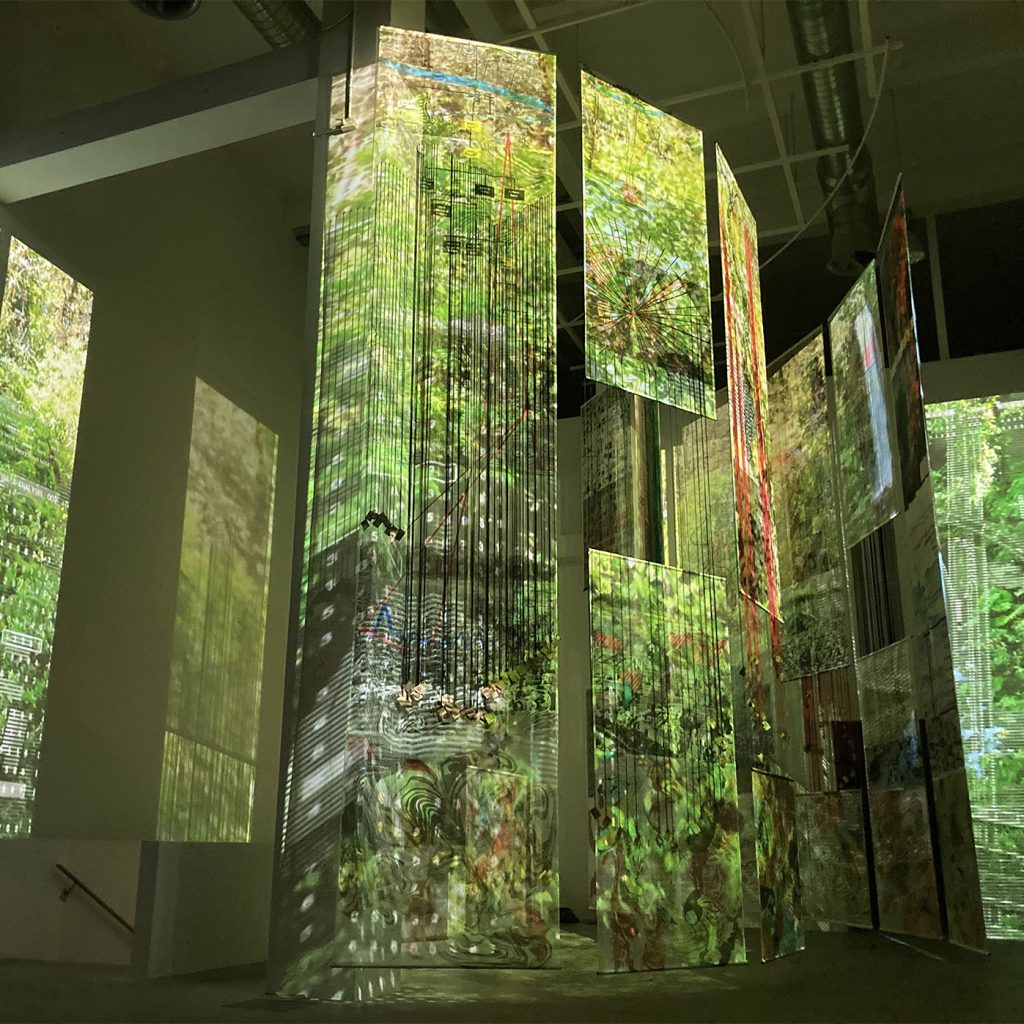
El Alto Aesthetics (EAAE) is a cultural collective located in El Alto, Bolivia, made up of architects, activists, cultural managers, artists, and designers. It emerged from the experience of living in a predominantly Aymara city, built upon rural-to-urban migration processes, where grassroots economies and forms of collective organization have allowed for Indigenous survival within a modern, urban context. EAAE is not conceived as a traditional art project or an academic platform, but rather as a space for cultural experimentation. We see El Alto as a place where Indigenous knowledge does not belong exclusively to the rural sphere or the past, but is transformed daily. Indigenous identity is understood as a living practice, marked by adaptation, that engages with global influences and contemporary technologies without losing its territoriality.
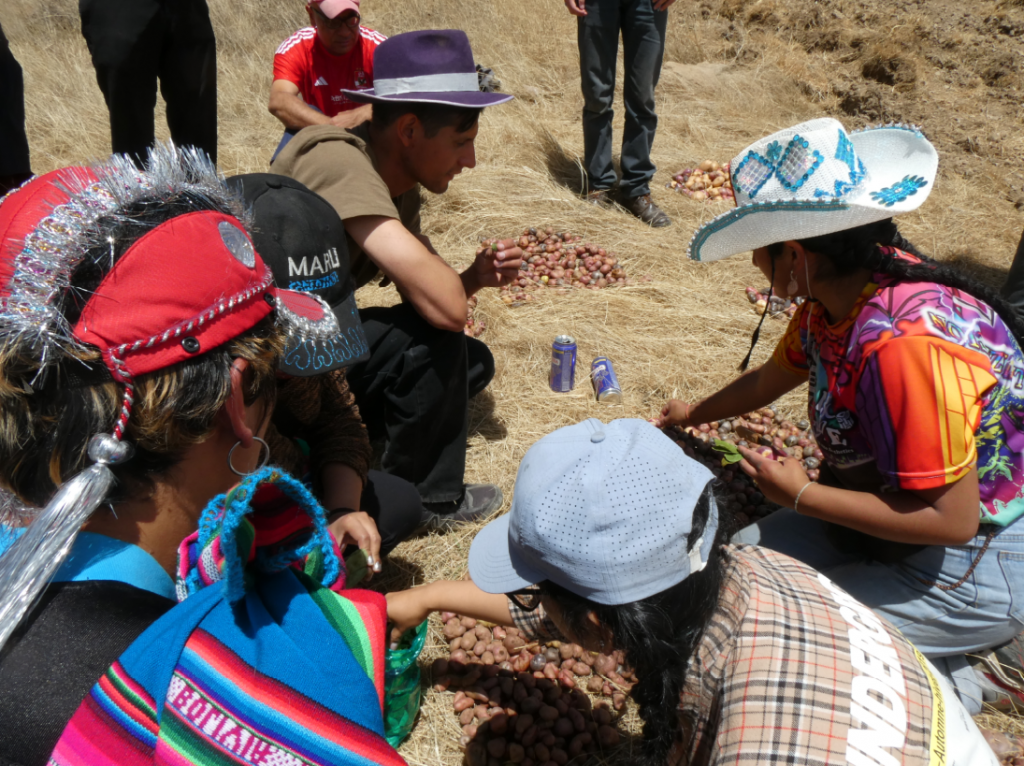
Our practice is based on “thinking from” rather than “thinking about.” Reflection emerges from collective action, producing knowledge through celebration, manual labor, shared living, community commerce, and agricultural practices. The body occupies a central place: dancing, building, selling, planting, and celebrating are acts that generate knowledge, linked to the territory and life in El Alto.
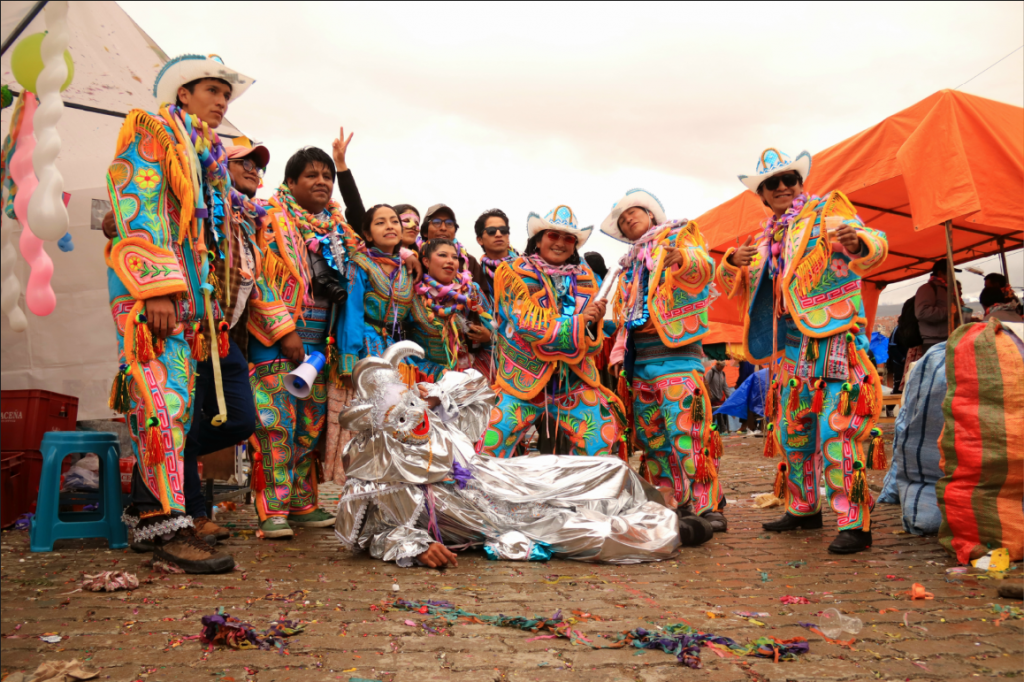
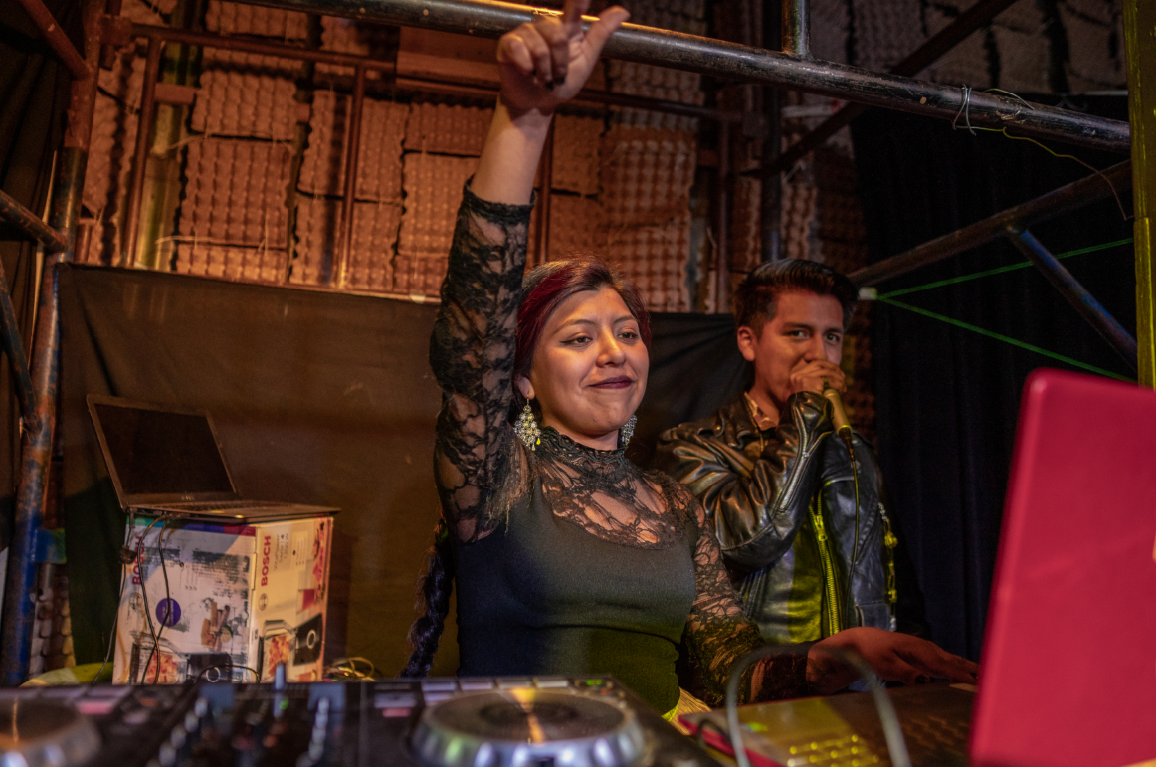
The festival is a central axis and is understood as an Andean social technology and a political tool. Festivals like Cholonización, Collanización, and Alteñización develop their own categories that resignify historically racialized identities, transforming them through self-determination.
They integrate music, graphic design, visuals, fanzines, food, and ritual, functioning as spaces for encounter and collective reflection where celebration transforms colonial violence into community action.
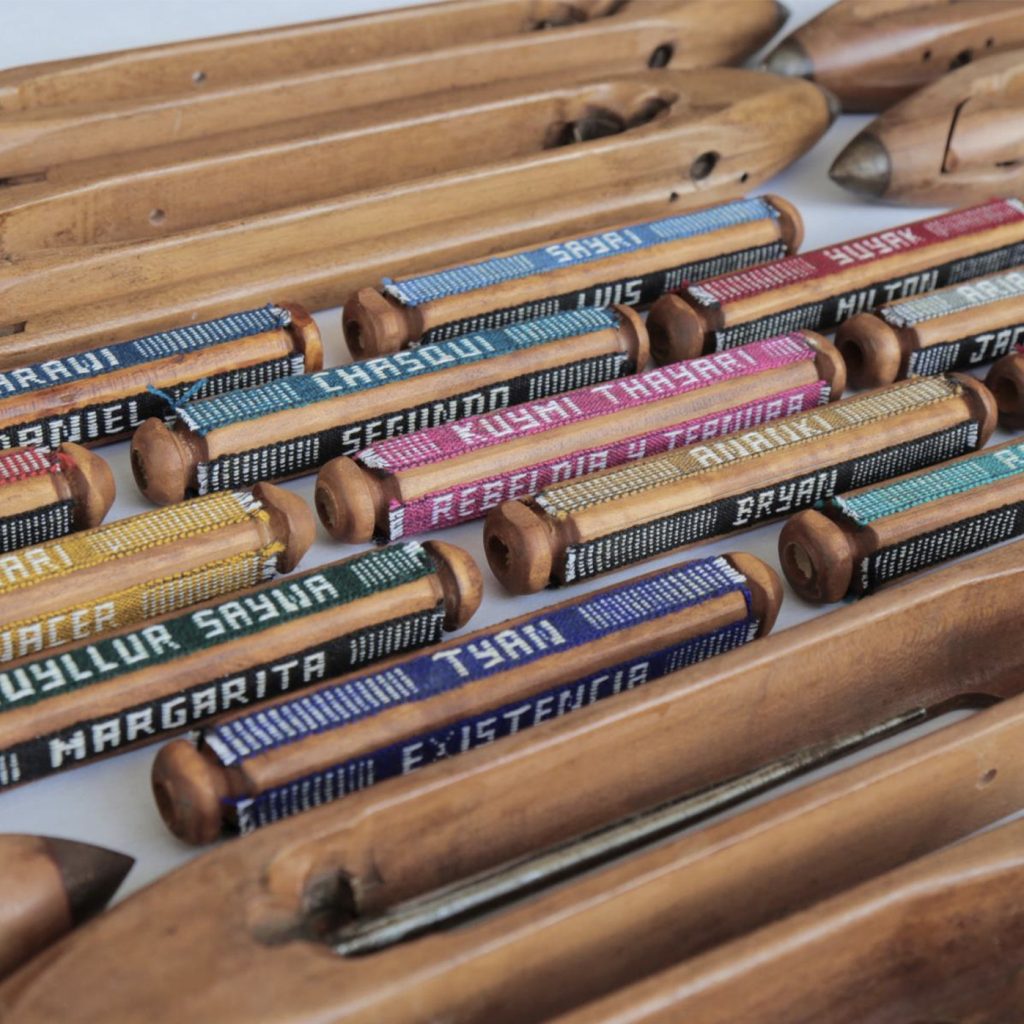
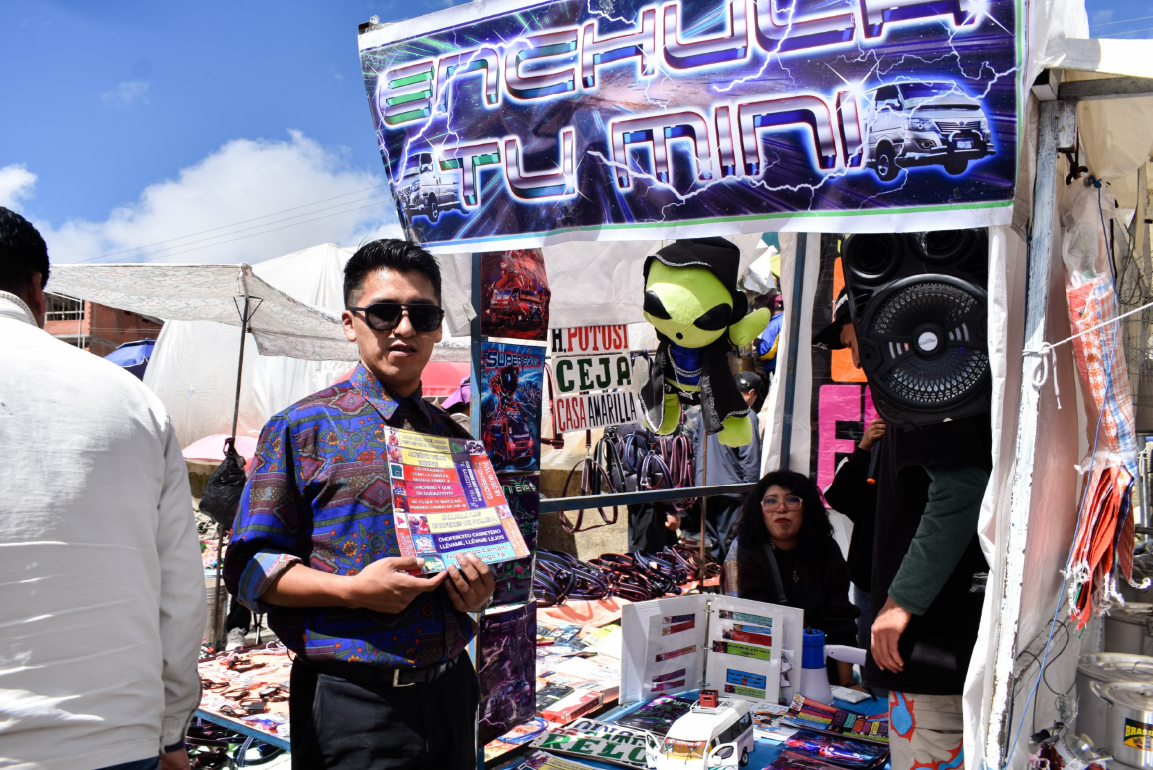
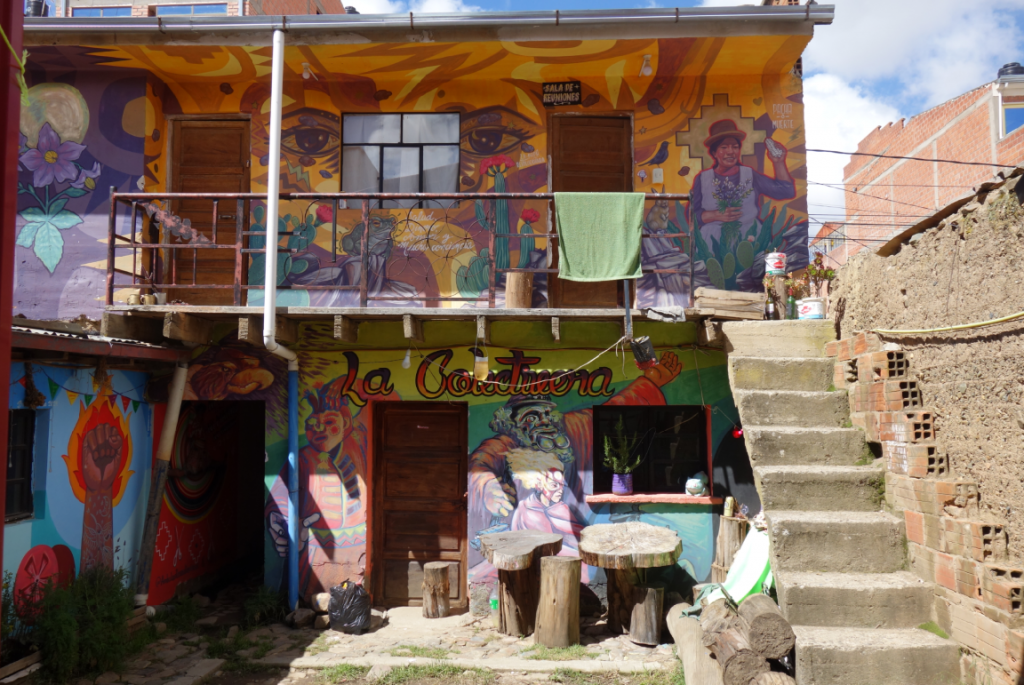
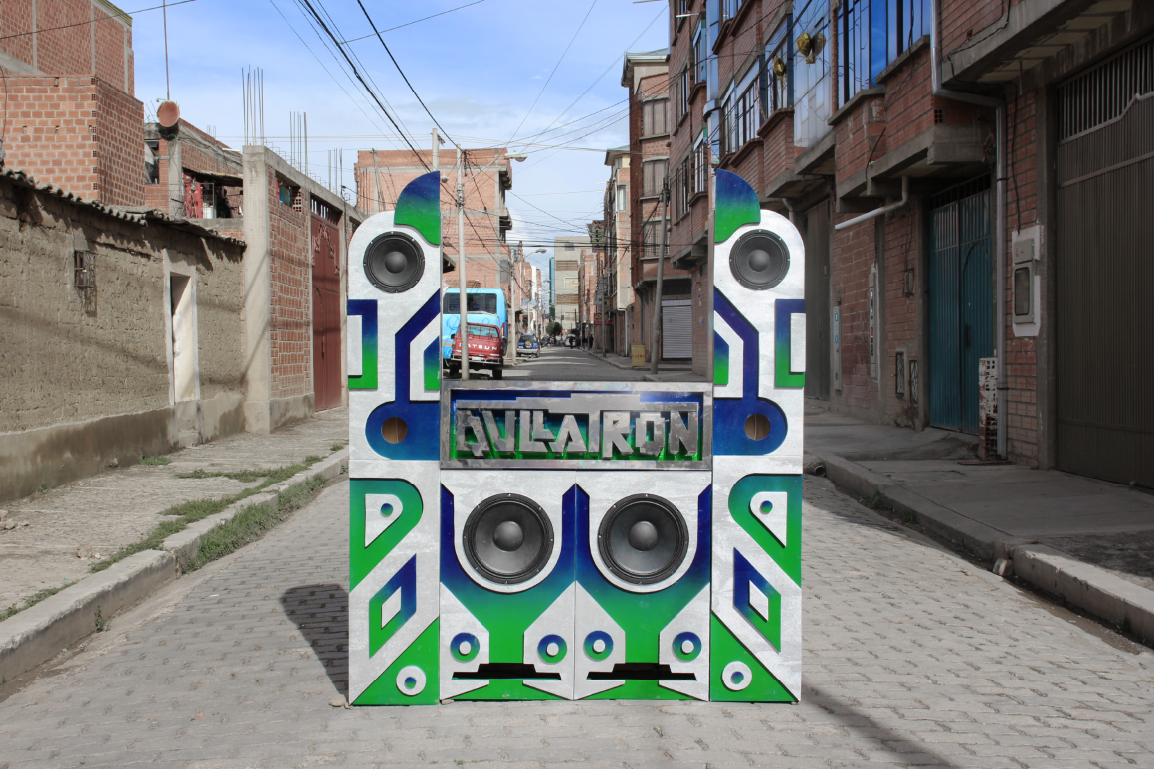
A key element is the Qullatron, a sound system designed and built by the collective. It combines Andean aesthetics with contemporary technology and amplifies historically marginalized popular music, such as chicha, huayño, and Andean cumbia. EAAE maintains that manual labor is also intellectual labor, present in all its cultural practices and in its collective agricultural work since 2024 in Santiago de Okola, focused on potato farming. The collective lives and produces culture from Altusa, a cultural center in a neighborhood of El Alto, and actively participates in the July 16th Fair, offering products and services that explore models of collective self-sufficiency and the production of material culture rooted in popular culture.
After three years of activity, EAAE has strengthened social, economic, and affective networks, creating spaces for experimentation and production at the intersection of culture and territory. The collective functions as a laboratory where indigenous knowledge continues to be produced in the city without losing its territorial or collective character.
Credits
Pedro Aliaga
Alexis Argüello
Tin Ayala
María Fernanda Cáceres
Mario Coarite
Gabriel Condori
Noemi Gonzales Cabrera
Wendy Hilari
Samuel Hilari
Sergio Mamani Tambo
Fher Masi
Luli Micelio
Santos Miranda Ramos
Ivana Molina Apaza
Árbol Ruiz
Pamela Vizcarra
El Alto Aesthetics Collective
El Alto Aesthetics (EAAE) is a multidisciplinary collective based in El Alto, Bolivia. EAAE creates spaces for the visual, social, and economic analysis of aesthetics developed in the region. Founded in 2022, the collective functions as a platform for organizing debates, publications, parties, and exhibitions, fostering critical thinking about Andean culture. With 17 members from diverse disciplines, EAAE bridges academia, activism, and artistic practice, cultivating collaboration and proposals that resonate with the local context.
The collective’s work has recently been presented at the Canadian Centre for Architecture (CCA) in Montreal, Canada, the Toda la Teoría del Universo Festival in Concepción, Chile, and Cuerpo Sur, Chile.
Jury Statement
El Alto Aesthetics, a collective based in El Alto, Bolivia, operates as a vibrant entity and a hub for cultural innovation that redefines Indigenous thought beyond mere tradition. Emerging from a rapidly transforming urban context, their work engages directly with contemporary popular culture, including music, markets, and large-scale celebrations that shape everyday life and collective identity.
This collaborative initiative employs the fiesta not only as a cultural expression but as a form of ritual technology: a repeatable social practice that sustains networks, redistributes resources, and enables collective organization. Through this situated approach, the collective weaves together emotional, economic, and social relations to foster cultural resilience. In doing so, it upholds the principles of Buen Vivir while exploring new ways of thinking and living the Andean present.