Leonel Vásquez
Cuna de Humedales
Project description
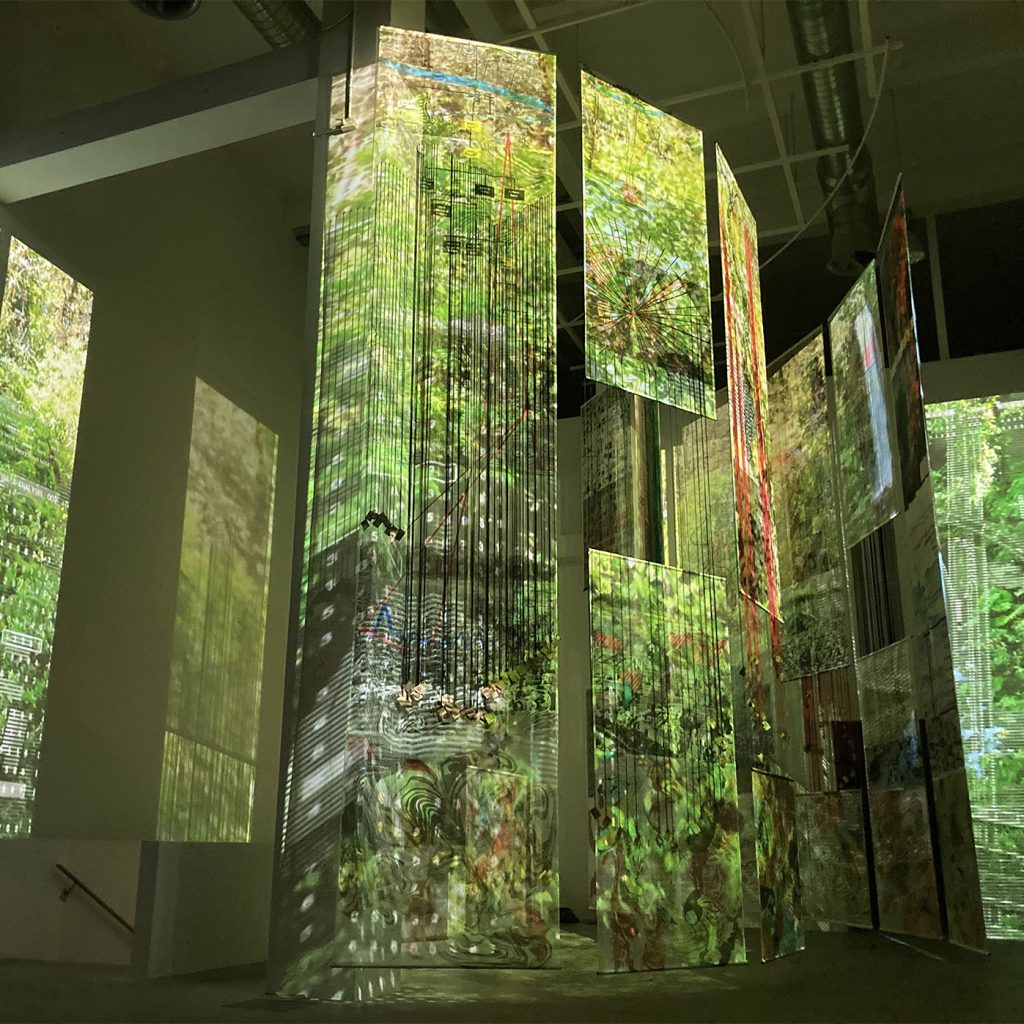
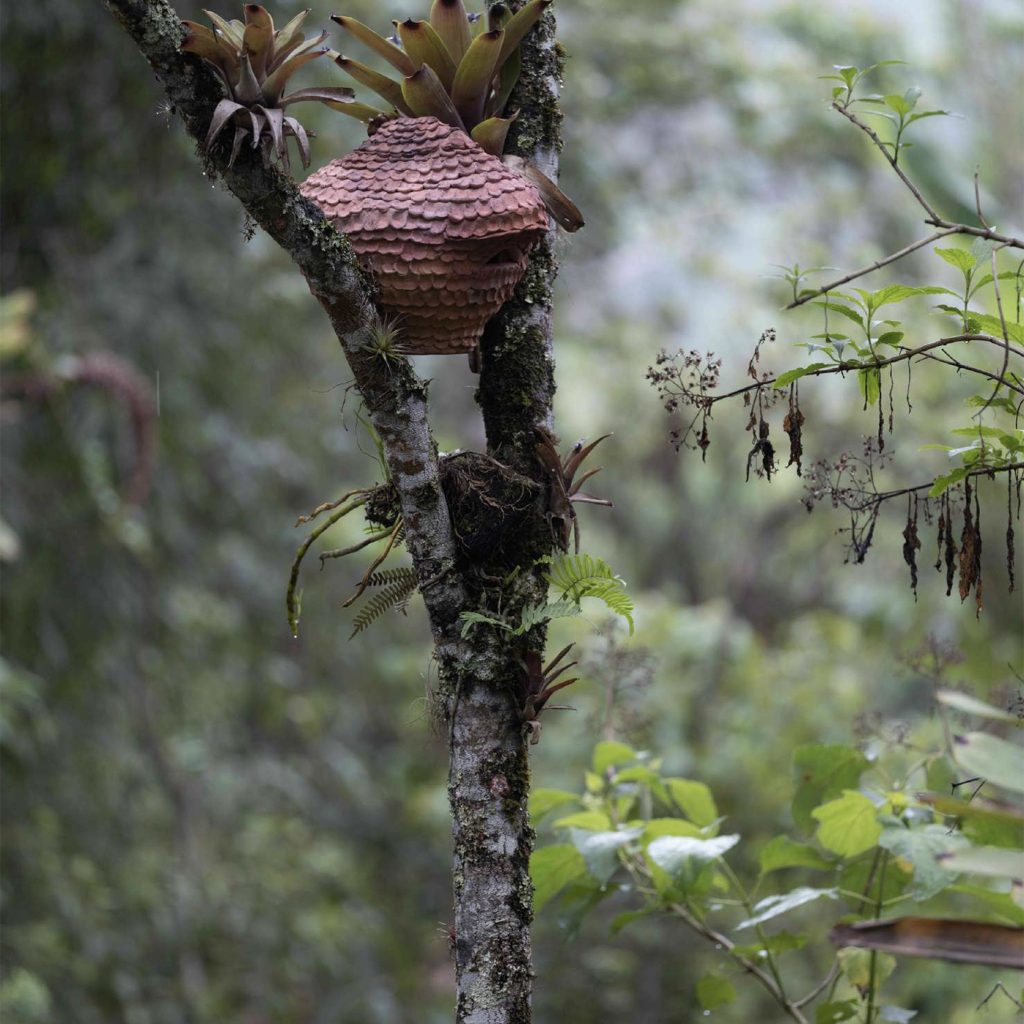
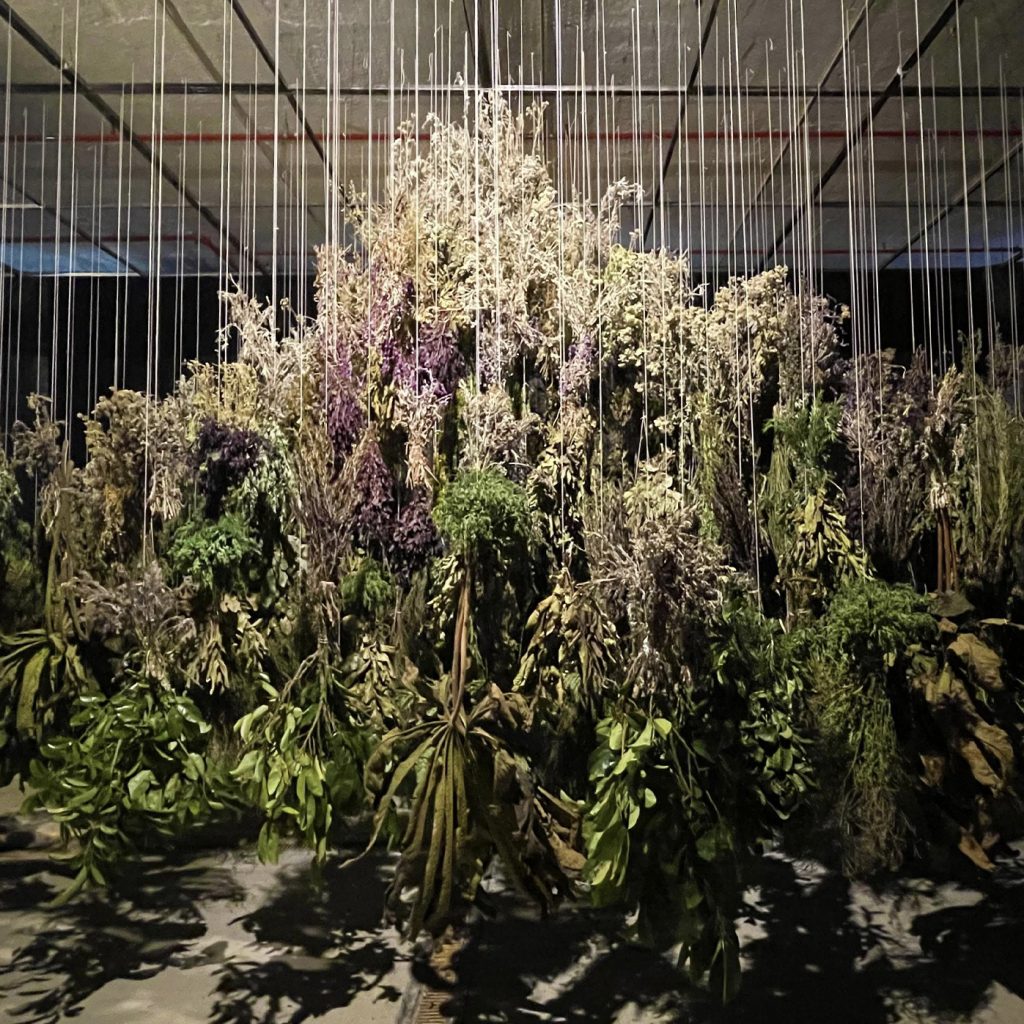
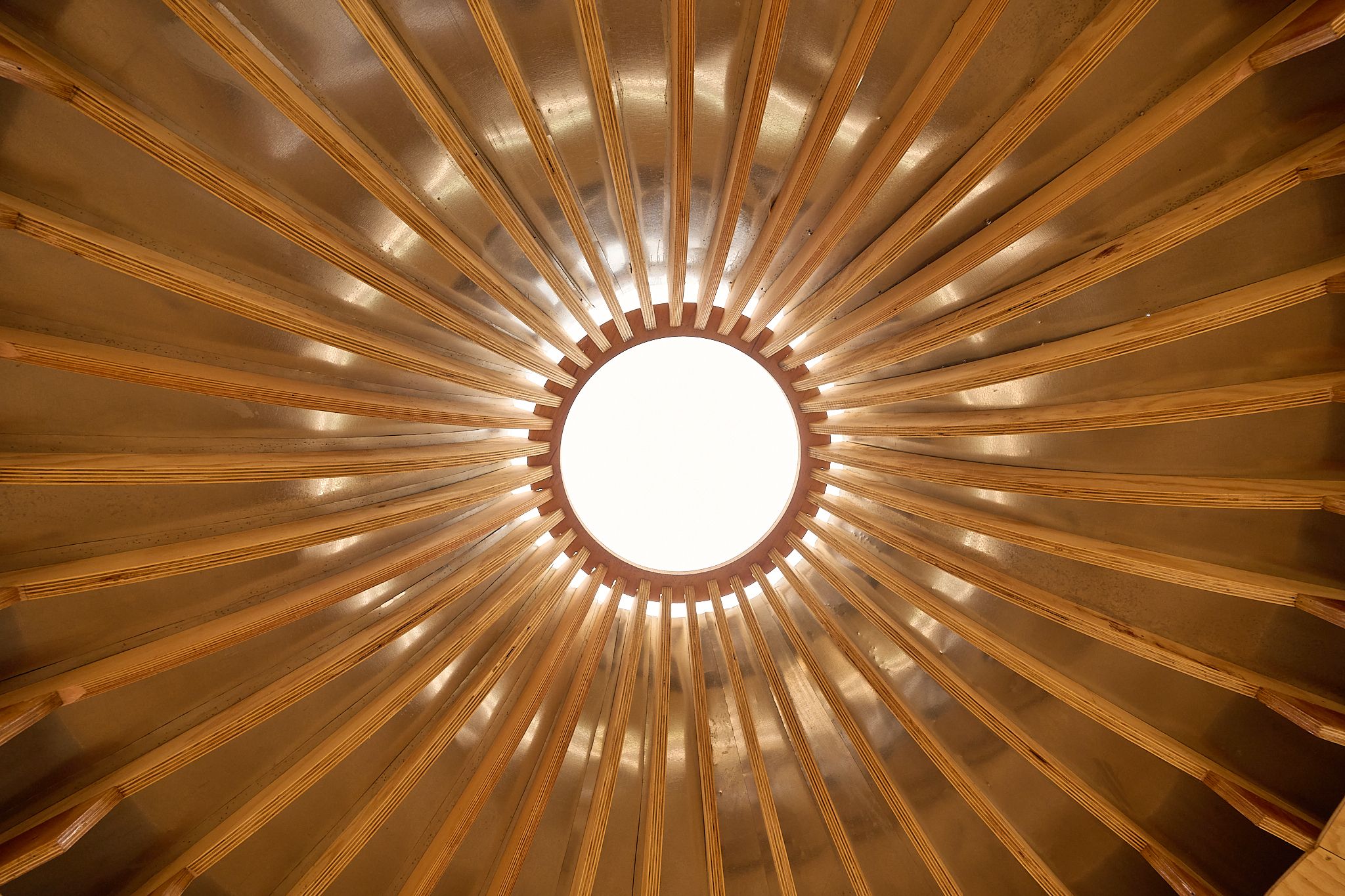
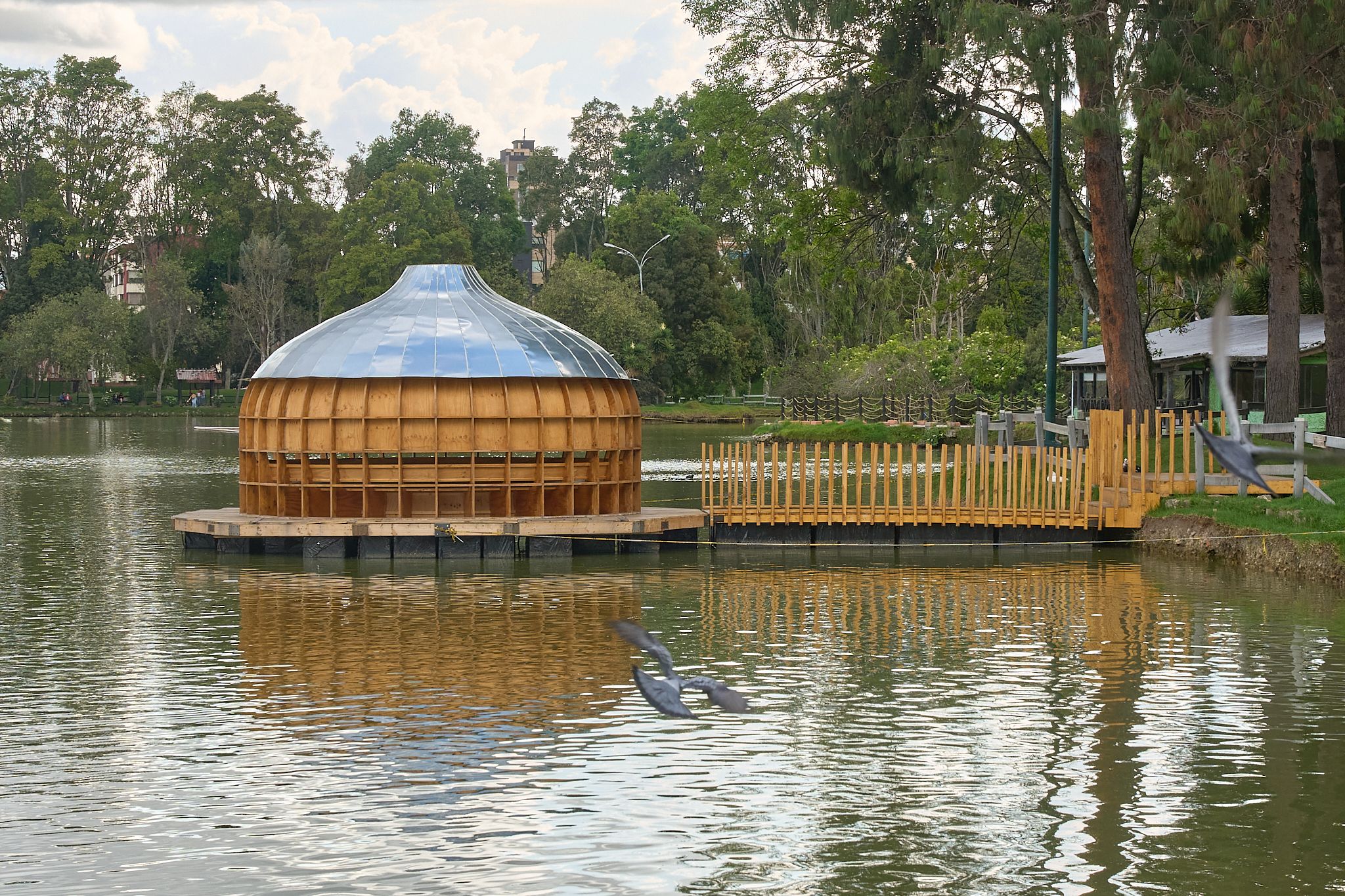
Cuna de Humedales is an artistic, architectural, and sonic research project located in the Bogotá Savannah, a territory that was historically a vast amphibious system of interconnected wetlands, rivers, and bodies of water. Inspired by the ecological memory of this landscape—once inhabited by catfish, guapuchas, and crabs—the project seeks to recover ways of relating to water that were buried by urbanization and the instrumental exploitation of the land. Building on previous research, technical experimentation, community work, and on-site activations, the project proposes an acoustic and symbolic restoration of urban waterways.
The project is articulated from the principles of Buen Vivir (Sumak Kawsay) and the Lo-TEK framework, understanding water not as a resource, but as a living being with agency, memory, and voice. From this perspective, restoration is not limited to the physical or ecological dimension, but also incorporates underwater acoustic and symbolic restoration, recognizing that bodies of water and human bodies are, in essence, interdependent bodies of water. Restoring the connection with wetlands also implies restoring the collective sensitivity, affections, and senses that sustain life.
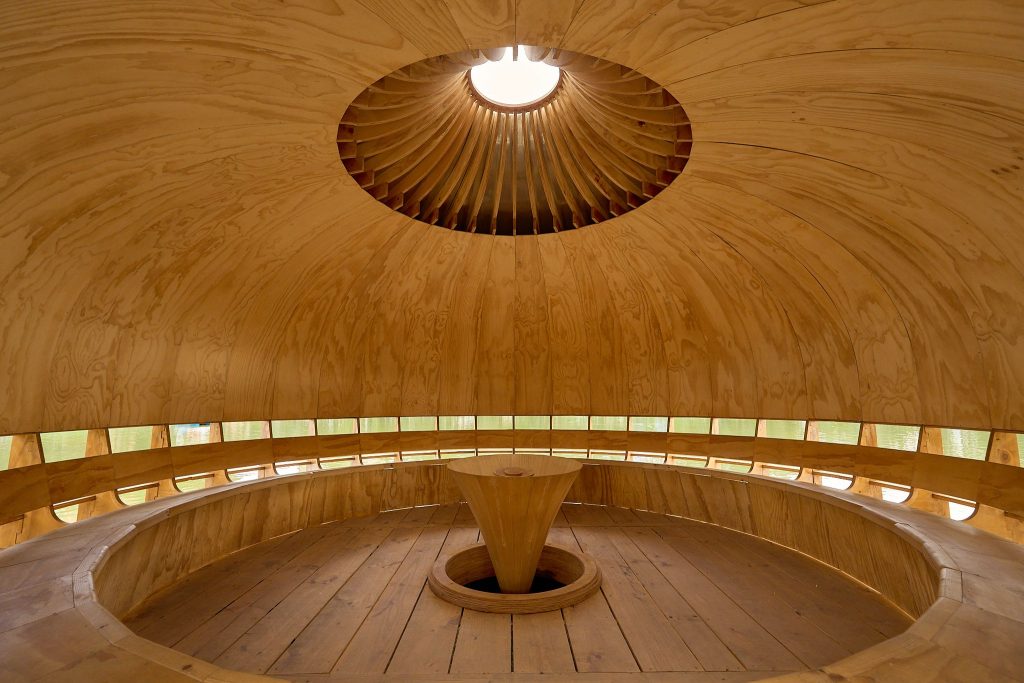
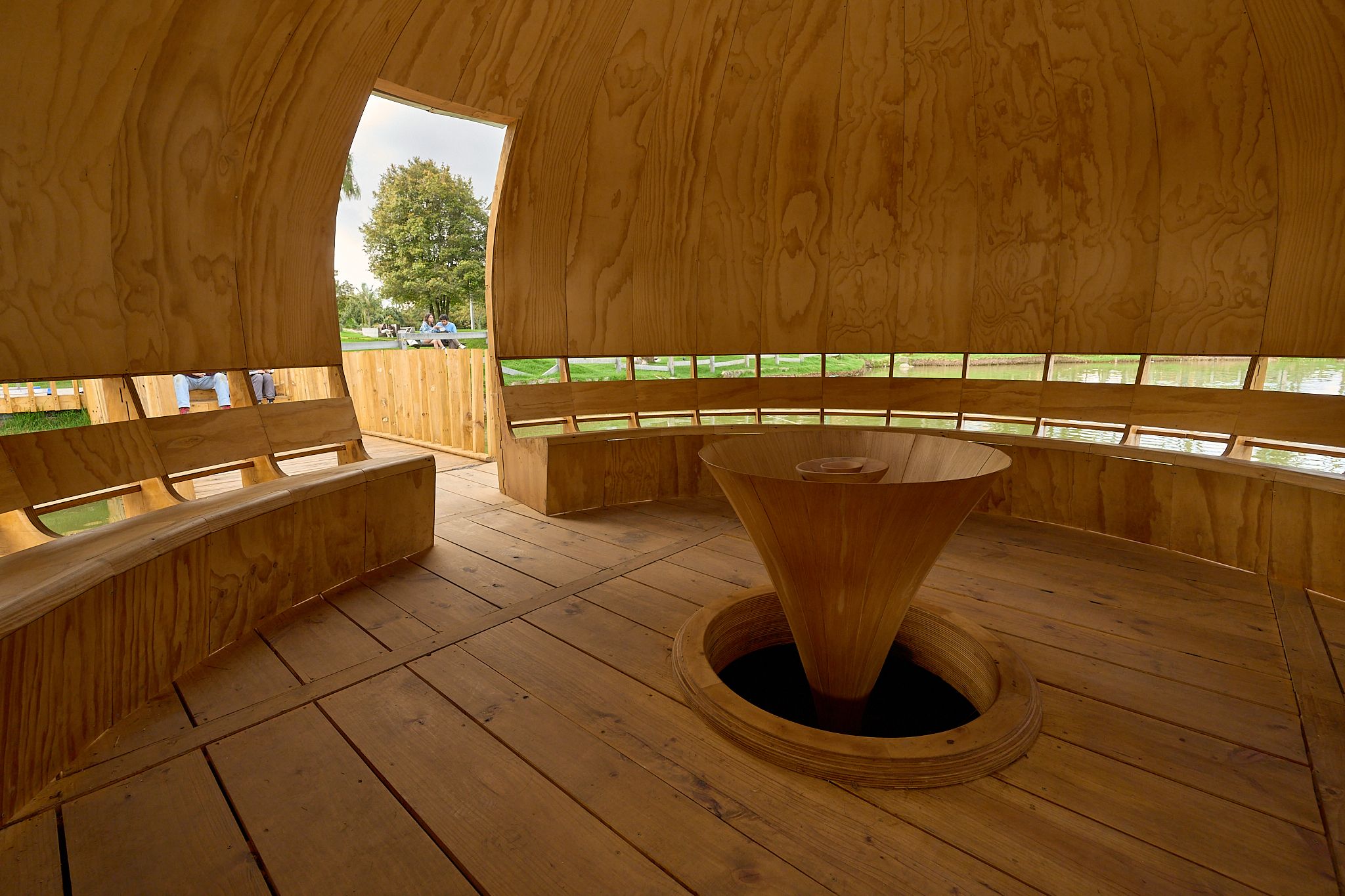
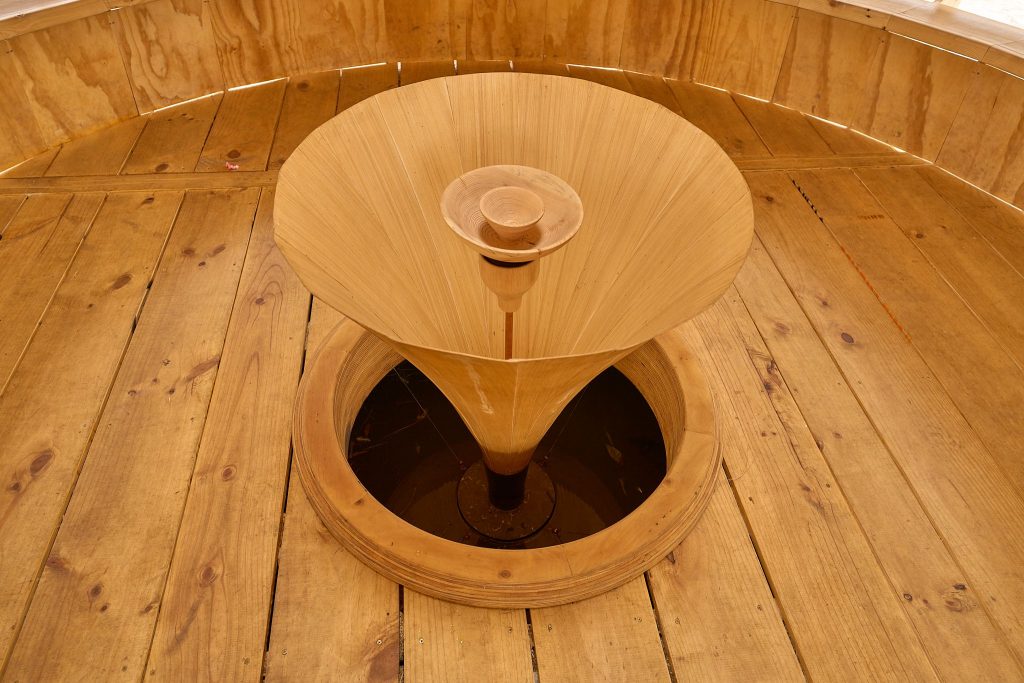
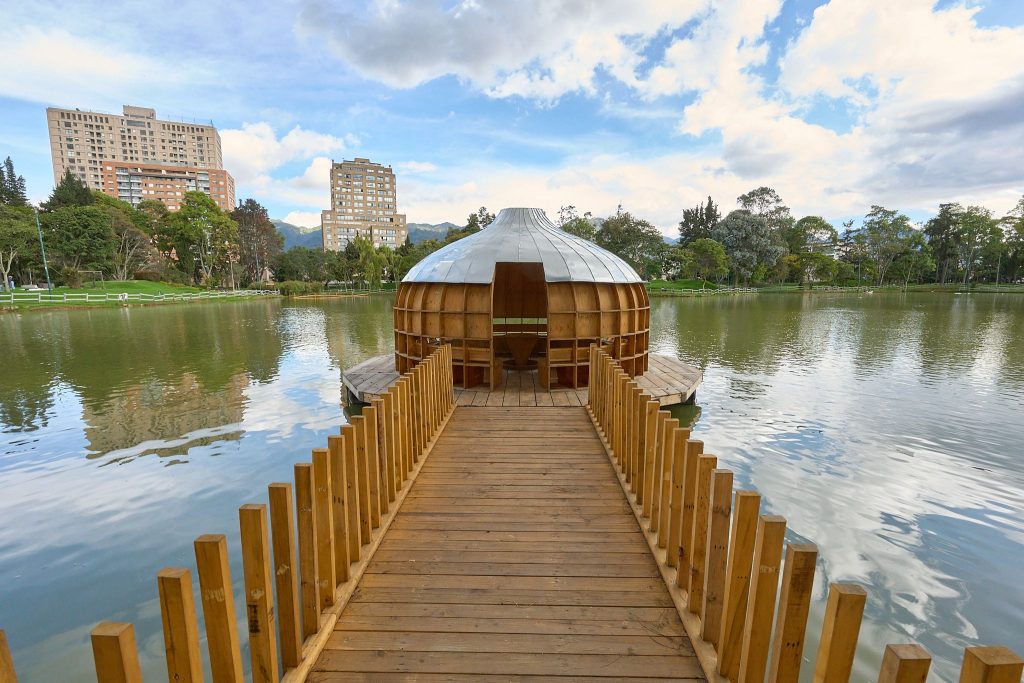
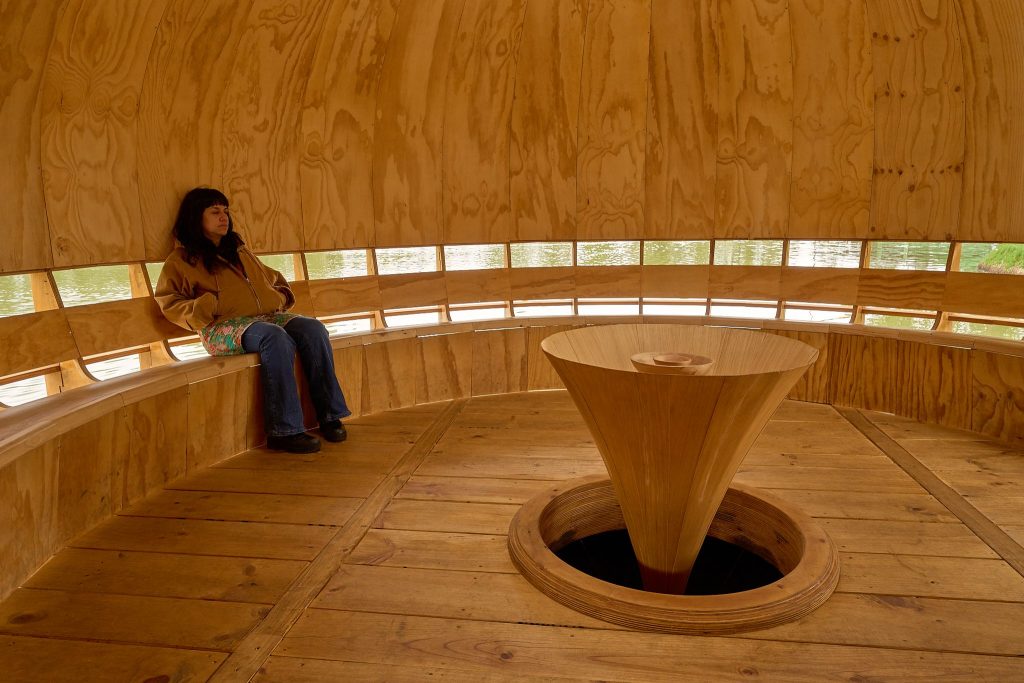
Cuna de Humedales materializes as a resonant architecture floating on the water: a membrane that functions as a space for encounter, listening, and ritual activation with the wetland. Beneath this structure, underwater soundscapes are activated—including recordings of native fish from the Sabana—that engage in dialogue with ancestral practices of lullabies, songs, and offerings to the waters. These actions are inspired by Andean Indigenous knowledge, recognized today by archaeological and anthropological evidence of practices of sacralization, veneration, and harmonization with the bodies of water that existed in the Sabana.
The project recognizes that the contemporary water crisis is not only ecological, but also relational: a crisis of connection, empathy, and meaning. In contrast to a modern, extractive, and instrumental relationship with water, Cuna de Humedales proposes reactivating collective practices of gratitude, reciprocity, and interspecies care. The project’s impact is local and symbolic, yet with systemic implications. By creating emotional and affective conditions for reconnecting with water, Cuna de Humedales contributes to an empathetic and situated socio-ecological intelligence. Thus, the project poses a central question for the urban future: how can we imagine a city that is good for its waters so that it can be good for itself? In the interdependence between wetlands, human communities, and more-than-human communities, the project proposes a poetic, restorative response deeply rooted in the land.
Credits
Leonel Vásquez
Esmeralda Ramírez
Ana Maytik Avirama
Comunidad de la Estación de Escucha de la Alta Montaña (Sibaté, Colombia)
Leonel Vásquez
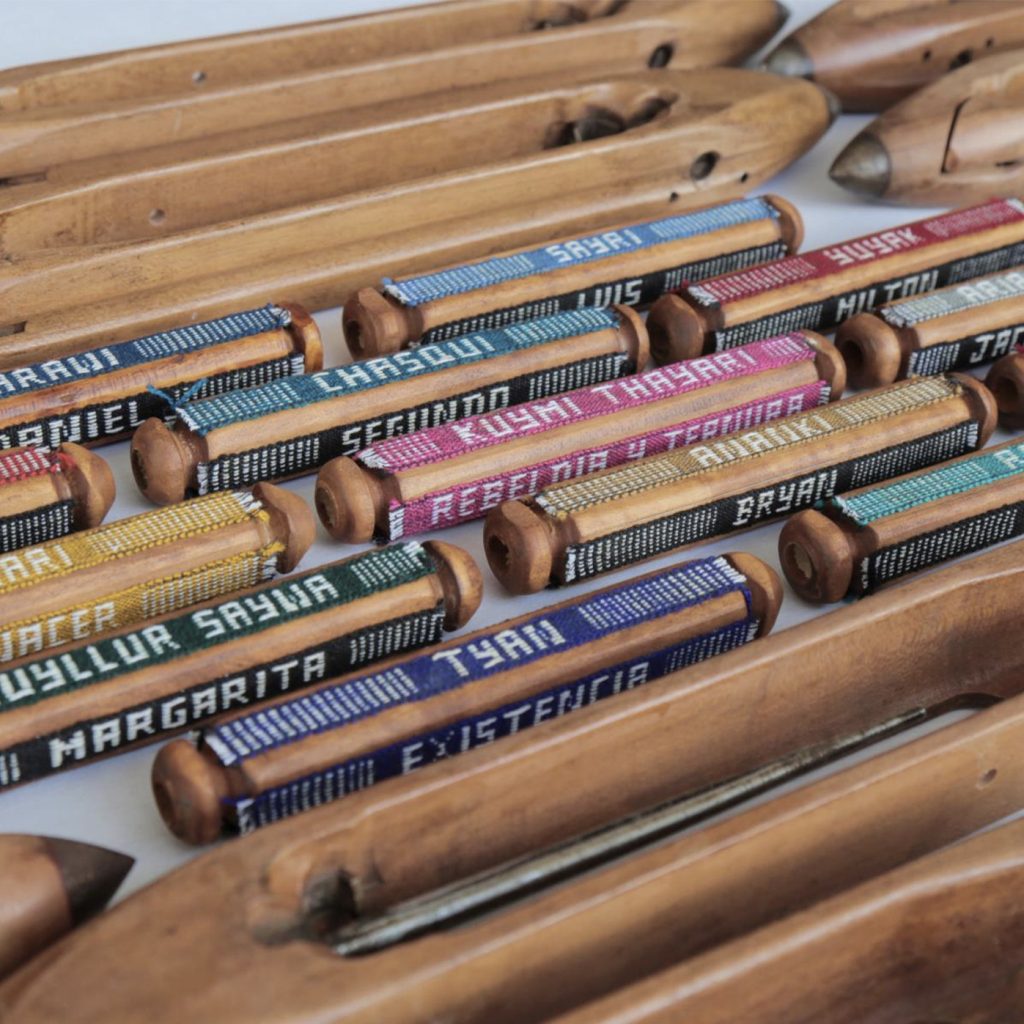
Leonel Vásquez (Sibaté, Colombia) is a visual and sound artist. Through his practice, he explores the power of sound as a substance that shapes sensory experience and as a vibratory force capable of configuring devices and spaces. He expands the act of listening, proposing it as a political, aesthetic, and restorative action.
Together with his family, he directs the high-mountain listening station in the Sumapaz páramo, a cultural biocenter dedicated to the production of knowledge and relational practices, and to water conservation.
He is currently participating in the São Paulo Biennial with the project Templo da água: Río Tietê (2025) and in the Bogotá Biennial with Cuna de Humedales (2025). He has held solo exhibitions at NC Arte (Bogotá, 2023) and at the National Sound Archive of Mexico (Mexico City, 2023). He has also exhibited at institutions such as the Baltic Centre for Contemporary Art (England).
Jury Statement
Cuna De Humedales stands out for its quest to reestablish connections with water and the communities that inhabit it through the use of ancestral architecture, promoting the restoration of our connection with what is not immediately visible and with more-than-human forms of life and perception; including the underwater acoustic dimension. The situated and territorial technology of this floating work seeks to provide a space for meditation with bodies of water neglected due to the extractive uses of land and water.
What the jury found captivating about Cuna de Humedales is the possibility that this work offers to promote a floating environment or setting, which embraces a slower sense of time, one more in line with the concepts of Buen Vivir, one that invites us to anchor ourselves in the pause and the movement of the water and listen more carefully to the environments we inhabit.